Blog

  • Why Your Standard TENS Unit Fails Where the NEUBIE Succeeds: The DC Current Difference

    Why Your Standard TENS Unit Fails Where the NEUBIE Succeeds: The DC Current Difference

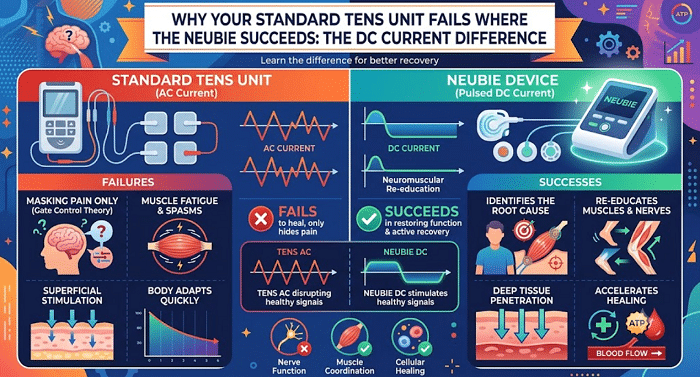
    When comparing NEUBIE vs TENS, anyone who has ever stepped into a physical therapy clinic or dealt with chronic muscle pain, you’re probably familiar with those little “zapping” devices with sticky pads. Most of us know them as TENS (Transcutaneous Electrical Nerve Stimulation) units.
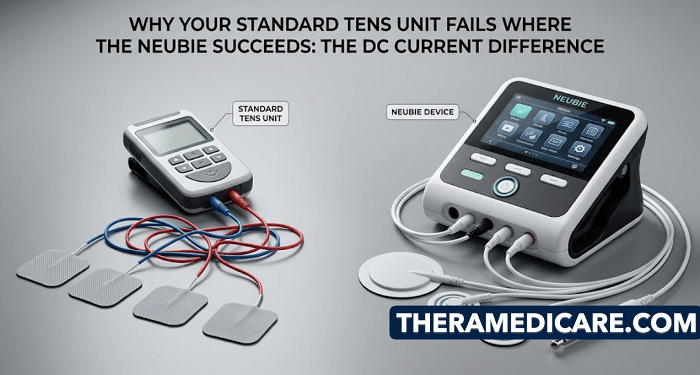
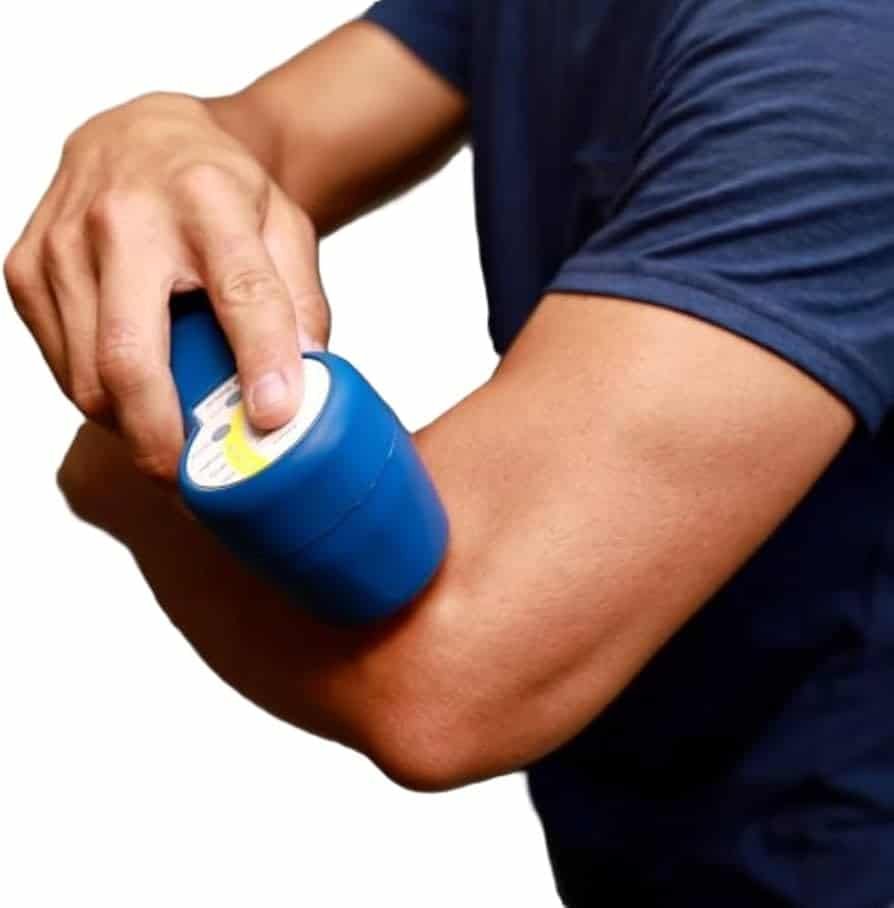
    NeuFit NEUBIE vs TENS device comparison for physical therapy
    A side-by-side technical comparison of the NeuFit NEUBIE vs TENS device.

    Lately, though, a new technology called the NeuFit NEUBIE has been making waves, claiming to be lightyears ahead when it comes to injury rehab and muscle recovery. The catch? To the untrained eye, they look almost identical. Both stick to your skin, and both send electrical currents into your body.

    So, is the NEUBIE just a massively overpriced TENS machine? Or is there real science backing up the hype?

    The answer comes down to the actual electricity they use: Alternating Current (AC) vs. Direct Current (DC). Let’s break down the science of NEUBIE vs TENS and see how this simple difference in physics completely changes how your body heals., backed by the latest scientific evidence.

    1. TENS Units Use AC Current: Just a Temporary Glitch in Your Pain Alarm

    Most traditional electrical stimulation devices on the market—including those cheap, pocket-sized TENS units you can buy online—rely on Alternating Current (AC).

    An AC signal constantly flips back and forth, changing directions multiple times a second. Because of this unstable, shifting pattern, AC current can’t penetrate deeply into your central nervous system. It pretty much just hangs out on the surface of your skin, stimulating your sensory nerve fibers.

    How TENS Actually Works: TENS operates on what scientists call the Gate Control Theory. The AC current floods your nervous system with a constant “tingling” sensation. This keeps your brain too busy to notice, temporarily blocking the actual pain signals. However, this temporary block is a major factor when evaluating the long-term results of NEUBIE vs TENS.

    The Downside: The second you turn the TENS unit off, the pain relief starts to fade. TENS doesn’t fix the root cause of the issue; it just acts like a digital painkiller. On top of that, AC current often forces your muscles to contract defensively. This can leave your muscles exhausted or trigger muscle guarding (where the body locks up the muscle to protect it).

    2. The NEUBIE Uses DC Current: Speaking Your Nervous System’s Native Language

    On the flip side, the NEUBIE (Neuro-Bio-Electric Stimulator) uses Direct Current (DC) via a uniquely engineered waveform. Unlike AC, DC current flows smoothly in one single direction.

    Why does this matter biologically? Because the human body naturally runs on direct current (DC). The signals sent from your brain to your muscles are direct electrical impulses. Since the NEUBIE speaks the exact same electrical language as your body, your nervous system doesn’t treat it like an outside threat.

    Here is what the NEUBIE’s DC current can achieve, proving why the core technology behind NEUBIE vs TENS is completely different:

    • Neuromuscular Re-Education: Because the current is steady and unidirectional, the NEUBIE penetrates much deeper to reach your motor neurons (the nerves that control movement). When paired with active movement, it retrains your brain on how to turn back on muscles that went “dormant” or locked up after an injury.
    • Zero Defensive Fighting: The NEUBIE is designed with a special carrier wave that prevents electrical charges from building up painfully on the skin. This means patients don’t experience harsh, agonizing muscle spasms. Instead, they get strong sensory input while still being able to move freely during therapy.
    • Triggering True Tissue Healing: Biologically speaking, direct current has a long history of clinical research showing it boosts macrophage migration, promotes cell regeneration, and increases local blood flow to speed up the healing of damaged tissues.

    What the Research Says: Clinical Evidence (NEUBIE vs TENS)

    If you want hard data, an open-label comparative study published on PubMed Central (PMC) put Direct Current Neuromuscular E-Stim (like the NEUBIE) head-to-head against traditional TENS on patients suffering from Diabetic Peripheral Neuropathy—a condition causing severe numbness and foot pain from nerve damage.

    Here is a quick look at how they compared:

    Measurement ParameterNEUBIE Group (DC Current) ResultsTENS Group (AC Current) Results
    Pain Reduction (VAS Scale)Showed a statistically significant drop in pain levels.No statistically significant change or improvement.
    Touch Sensitivity & DiscriminationTwo-point discrimination improved sharply (nerves regained sensitivity).Showed no meaningful change in sensitivity.
    Muscle Motor Unit ActivationExperienced an increase in signal amplitude (muscles recruited more fibers).No increase in motor unit recruitment.
    Nerve Conduction Velocity (NCV)Nerve signal speed increased significantly across most tested nerves.Showed no difference or speed improvement.

    The Journal’s Takeaway: The study concluded that physical therapy paired with a DC device like the NEUBIE delivers vastly superior objective and subjective improvements compared to conventional TENS. TENS simply fails to create long-term changes in nerve function, which is the most critical takeaway from this NEUBIE vs TENS clinical trial.

    The Verdict: Which One Do You Actually Need?

    If you’re just looking for a budget-friendly way to take the edge off some mild muscle soreness at home while watching TV, a standard TENS unit might do the trick for a couple of hours.

    But if you are trying to heal an injury faster, wake up weak muscles, fix poor movement patterns after a trauma, and completely rewire your central nervous system for long-term recovery, the NeuFit NEUBIE device is what you actually need.

    When it comes down to NEUBIE vs TENS, the NEUBIE isn’t just a band-aid for pain—it’s a bio-electric rehab tool built to work with your biology, not against it.

    Scientific References & Further Reading

    If you want to dive deeper into the clinical data and physics behind this technology, check out these peer-reviewed studies and medical literature:

    • Comparative Clinical Trial (DC vs. AC): “Open-Label Comparative Study of Direct Current Neuromuscular Electrical Stimulation versus Transcutaneous Electrical Nerve Stimulation in Patients with Diabetic Peripheral Neuropathy.” This study provides the direct head-to-head data on how DC current improves nerve conduction velocity and motor unit activation where AC current (TENS) falls short. [Available on PubMed Central / PMC]
    • The Science of the NeuFit Method: Salpeter, G. (2020). The NeuFit Method: Control Your Nervous System, Heal from Injury, Hurt Less, Move Better, and Train Smarter. This literature breaks down the specific engineered waveforms and clinical case studies behind the development of the NEUBIE device.
    • On Neuromuscular Electrical Stimulation (NMES): Journal of NeuroEngineering and Rehabilitation. Multiple published papers on how targeted motor point electrical stimulation drives long-term neuroplasticity and overrides protective muscle guarding mechanisms in chronic pain patients.
  • How Laser Liposuction Works 

    How Laser Liposuction Works 

    The global demand for body contouring has skyrocketed, with more people seeking alternatives to traditional, invasive surgery. Among the top innovations in aesthetic medicine, laser liposuction (laser lipo) has become a household name.

    However, because the term “laser lipo” is used for everything from surgical hospital procedures to hands-free spa treatments, many patients and clinic owners are left confused. Does it actually work? What is the difference between the machines?

    This comprehensive guide breaks down the science, the distinct types of technology, what realistic results look like, and the questions people ask most about this body-sculpting revolution.

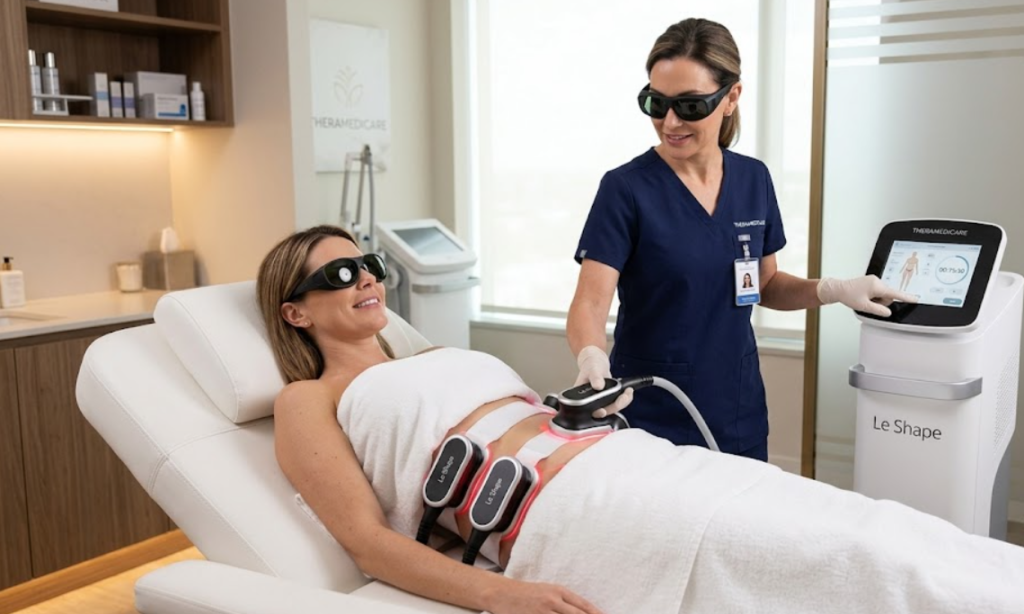
    Le Shape non-invasive laser liposuction machine treatment for body contouring at Theramedicare
    A clinical practitioner administering a hands-free non-invasive laser lipolysis session using the advanced Le Shape platform.

    The Core Science: How Laser Energy Destroys Fat

    At its foundation, laser liposuction uses specific wavelengths of light energy to target and disrupt subcutaneous fat layers located beneath the skin surface. When these fat cells absorb the specialized laser energy, they heat up until their cellular membranes compromise.

    There are two primary benefits to using laser liposuction energy instead of traditional mechanical suction:

    1. Targeted Fat Disruption: The laser specifically melts or triggers cell death in fat tissue without damaging surrounding blood vessels, nerves, or skin.
    2. The Skin Tightening Benefit: The thermal (heat) energy generated by the laser stimulates local collagen production. This is a massive advantage because it helps the skin contract and firm up over the treated area, minimizing the sagging skin often left behind by traditional liposuction.

    Non-Invasive vs. Minimally Invasive laser liposuction: What is the Difference?

    When exploring laser liposuction machines, it is crucial to understand that the technology is divided into two entirely different categories:

    1. Non-Invasive Laser Lipolysis (e.g., Le Shape)

    This is a completely non-surgical, hands-free treatment popular in medical spas and modern aesthetic clinics.

    2. Minimally Invasive Laser-Assisted Liposuction (e.g., Smartlipo)

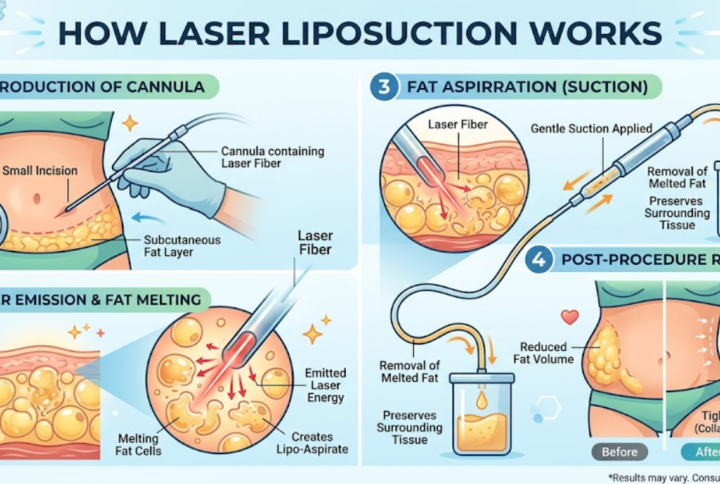
    This is a minor surgical procedure performed by a physician or plastic surgeon under local anesthesia.

    • How it works: A doctor makes a tiny incision in the skin and inserts a very thin tube (cannula) containing a laser fiber. The internal laser physically melts the fat cells into a liquid form, which is then immediately suctioned out of the body.
    • Downtime: A few days of rest are required, and patients typically need to wear compression garments during recovery.

    Do Laser Lipo Machines Really Work? (Realistic Expectations)

    Yes, the technology is clinically proven and backed by extensive medical data, but it is vital to set realistic expectations:

    • It is for Contouring, Not Weight Loss: laser liposuction is engineered to eliminate stubborn, localized pockets of fat (such as love handles, lower belly pooch, or inner thighs) that resist diet and exercise. It will not alter the number on a weight scale significantly.
    • Measurable Reductions: Clinical studies show that high-quality non-invasive laser lipo devices can achieve an average of 17% to 24% permanent fat layer reduction in the targeted zone per treatment cycle.
    • Long-Term Permanence: Once fat cells are destroyed or suctioned out, they are gone forever. However, the remaining fat cells in the body can still grow if a patient experiences future weight gain. Maintaining a stable, healthy lifestyle is key to preserving the newly sculpted contour lines.

    FAQ: What People Frequently Ask About Laser Liposuction

    1. Is laser lipo painful during the treatment?

    • For non-invasive systems (like Le Shape): Not at all. Patients generally feel a deep warming sensation alternated with a refreshing cold feeling from the contact cooling plates. There is no sharp pain, and no numbing creams are required.
    • For minimally invasive surgical systems: Because local anesthesia is used during the minor incisions, the procedure itself is painless. Patients may feel mild soreness or a tugging sensation, similar to a heavy workout, for a few days post-op.

    2. How many sessions of laser lipo are needed to see results?

    • While some initial contour improvements can be observed after a single session, a standard clinical protocol typically recommends a series of 2 to 4 sessions per targeted area, spaced about 4 weeks apart. This timeline gives the body’s lymphatic network enough time to safely clear out the disrupted cellular debris before the next application.

    3. Does the fat come back after laser liposuction?

    • The fat cells destroyed during the treatment are gone permanently. However, the human body maintains a matrix of remaining fat cells. If a patient experiences significant weight gain in the future, those remaining cells can still expand. Maintaining a stable diet and regular exercise routine is essential to keep the sculpted body lines long-term.

    4. What is the difference between laser liposuction and CoolSculpting (Cryolipolysis)?

    • The primary difference lies in the temperature mechanism. Laser Lipo uses heat (hyperthermic energy) to induce fat cell death and has the added benefit of stimulating collagen to tighten loose skin. CoolSculpting uses extreme cold (cryolipolysis) to freeze and crystallize fat cells. Both are highly effective non-surgical options, but laser lipo is often preferred by clinics because the treatment time is significantly shorter (25 minutes vs. 45-60 minutes per area).

    5. Are there any side effects or risks?

    • Non-invasive laser lipo is incredibly safe, with risks limited to temporary redness, mild swelling, or slight tenderness in the treated zone, which usually fades within a few hours. For surgical laser lipo, rare risks include temporary bruising, minor contour irregularities, or skin burns if the laser heat settings are not monitored correctly by an experienced practitioner.

    Choosing the Right Technology for Your Aesthetic Business

    If you are a medical spa owner or dermatologist looking to capture this profitable market, investing in a high-quality body contouring laser machine is a game-changer.

    For clinics focused on high patient volume, safety, and low operational overhead, a non-invasive system like the Le Shape Laser Liposuction Machine is highly recommended. It requires zero single-use consumables, operates completely hands-free so your staff can multitask, and delivers the premium, pain-free experience that modern beauty consumers willingly pay a premium for.

    To learn more about integrating advanced laser liposuction solutions into your medical practice, reach out to the equipment experts at Theramedicare for a direct consultation and live equipment walkthrough.

  • Painless Teeth Cleaning: How to Get a Comfortable Dental Scaling Experience

    Painless Teeth Cleaning: How to Get a Comfortable Dental Scaling Experience

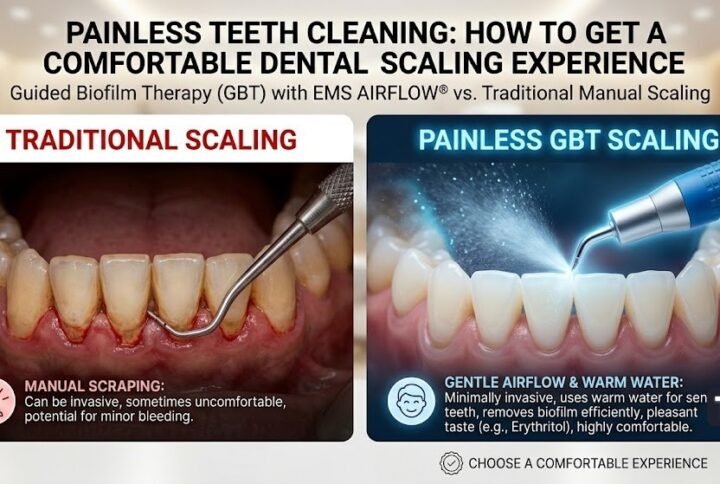
    For many people, a visit to the dentist for a dental scaling (Painless Teeth Cleaning) often triggers anxiety. The anticipation of pain from the scaler, the cold water sensitivity, and general discomfort during the procedure are the main reasons why people postpone their appointments.

    However, maintaining oral hygiene is crucial to preventing gum disease and cavities. The good news is that thanks to modern medical technology, you can now experience a painless teeth cleaning that is completely comfortable and stress-free.

    Here is your comprehensive guide to the best options for a trauma-free dental cleaning experience.

    The Best In-Office Options for a Painless Teeth Cleaning

    To ensure your dental scaling is virtually pain-free, make sure your dental clinic provides a combination of the following advanced technologies and methods:

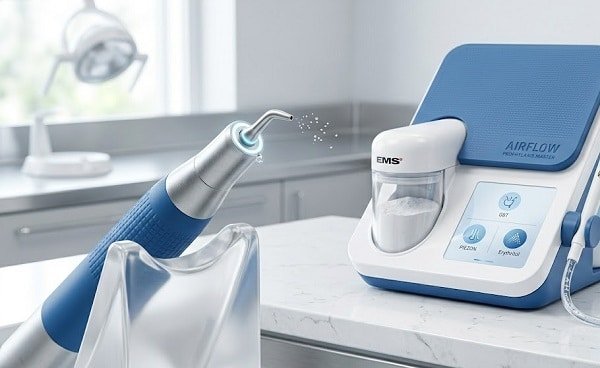
    • Gentle Cleaning Technology with Warmed Water: The sharp discomfort felt during scaling is usually triggered by cold water hitting sensitive teeth. The ultimate solution to this is using an advanced device like the EMS AIRFLOW Prophylaxis Master. This system features an adjustable warm water irrigation system that eliminates thermal shock to the tooth nerves, ensuring maximum patient comfort throughout the workflow.
    • Gentle Air Polishing Method: Traditional cleaning methods using abrasive pastes are being replaced by advanced air polishing. The EMS AIRFLOW Prophylaxis Master utilizes a very fine erythritol powder to efficiently remove biofilm, stains, and early calculus. This method is significantly gentler on the gums and tooth surfaces than conventional tools.
    • Needle-Free Numbing Gel: If you have high gum sensitivity, you can ask your dentist to apply a topical periodontal anesthetic gel (such as a lidocaine/prilocaine gel) along the gumline before starting. It numbs the area within minutes, completely avoiding the need for needle injections.
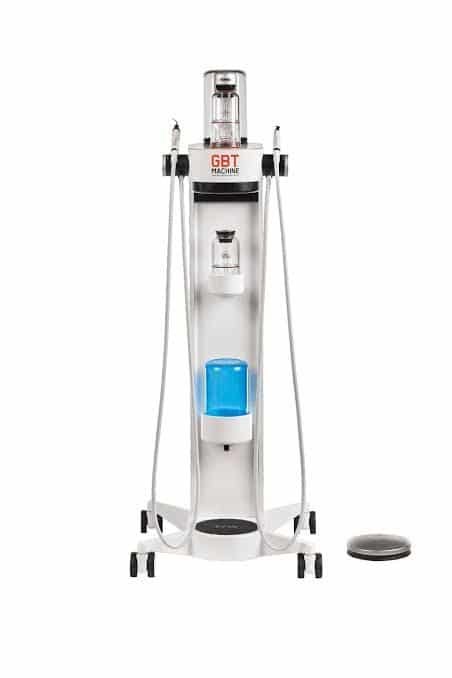
    EMS AIRFLOW Prophylaxis Master device with warm water irrigation for painless teeth cleaning

    What to Say When You Book Your Appointment

    To help the clinic prepare for your comfort, you can use this exact phrasing when making a reservation or consulting with your clinician:

    “I want to book a painless teeth cleaning session. Is it possible to have my treatment done using the EMS AIRFLOW Prophylaxis Master with its warmed water scaling and air polishing technology? If my gums feel sensitive, I am also open to using a needle-free numbing gel.”

    Simple Prep to Reduce Tooth Sensitivity at Home

    In addition to relying on in-office technology, you can take these proactive steps at home 1–2 weeks before your scheduled visit:

    1. Use a Desensitizing Toothpaste: Brush with a toothpaste containing potassium nitrate twice daily. This helps block pain signals from reaching the tooth nerves.
    2. Avoid Whitening Products: Stop using whitening strips or whitening toothpastes at least one week before your cleaning, as these products temporarily increase tooth sensitivity.
    3. Switch to a Soft-Bristle Brush: Maintain your oral hygiene at home using a soft-bristle toothbrush or an electric toothbrush set to sensitive mode to avoid irritating your gums before your appointment.

    The Bottom Line

    The most effective, professional combination for a completely comfortable and painless dental visit today is warmed water irrigation + gentle air polishing technology + needle-free numbing gel if needed.

    Make sure to choose a dental provider equipped with modern devices like the EMS AIRFLOW Prophylaxis Master to ensure your healthy smile is cared for in the most pleasant way possible.

  • EMS AIRFLOW vs Cavitron Touch

    EMS AIRFLOW vs Cavitron Touch

    Which is Best Dental Clinic?

    When considering an EMS AIRFLOW vs Cavitron Touch upgrade for your clinic’s prophylaxis setup, it becomes one of the most high-impact investments. However, standing at the premium tier of the market, you are bound to face a classic showdown: Do you invest in the protocol-driven comfort of Switzerland’s EMS AIRFLOW® Prophylaxis Master, or do you rely on the heavy-duty, legendary calculus-crushing power of America’s Dentsply Sirona Cavitron® Touch?

    Both units represent the absolute peak of modern scaling technology, yet they approach prophylaxis from entirely different philosophies. Choosing the wrong one can mean overspending on features your patient base doesn’t need—or missing out on a massive premium branding opportunity. Let’s break down how these two giants stack up head-to-head to help you make the right call for your practice.

    EMS AIRFLOW® Prophylaxis Master: The Spa-Like Revolution

    The EMS AIRFLOW® Prophylaxis Master isn’t just a standalone scaling machine; it is the core engine behind the widely popular Guided Biofilm Therapy (GBT) protocol. Developed in Switzerland, this unit completely flips the traditional scaling process on its head by focusing on soft biofilm removal before addressing hard calculus.

    Instead of manually scraping teeth with metal tips from the get-go, the AIRFLOW® uses a high-precision stream of air, warm water, and ultra-fine Erythritol powder. This combination gently lifts away the bacterial biofilm, soft plaque, and everyday stains without ever making physical contact with the tooth enamel. For stubborn, hardened calculus, it transitions to the Piezon® No Pain ultrasonic handpiece, which modulates its power output dynamically and uses warm water to virtually eliminate that icy, sensitive ache patients dread.

    The Practice Growth Angle: The EMS Dental is a premium marketing asset. It allows clinics to rebrand teeth cleaning from a painful “necessary evil” into a luxurious, pain-free dental wellness experience, perfect for attracting high-paying private clients.

    Dentsply Sirona Cavitron® Touch: The Ultimate Clinical Workhorse

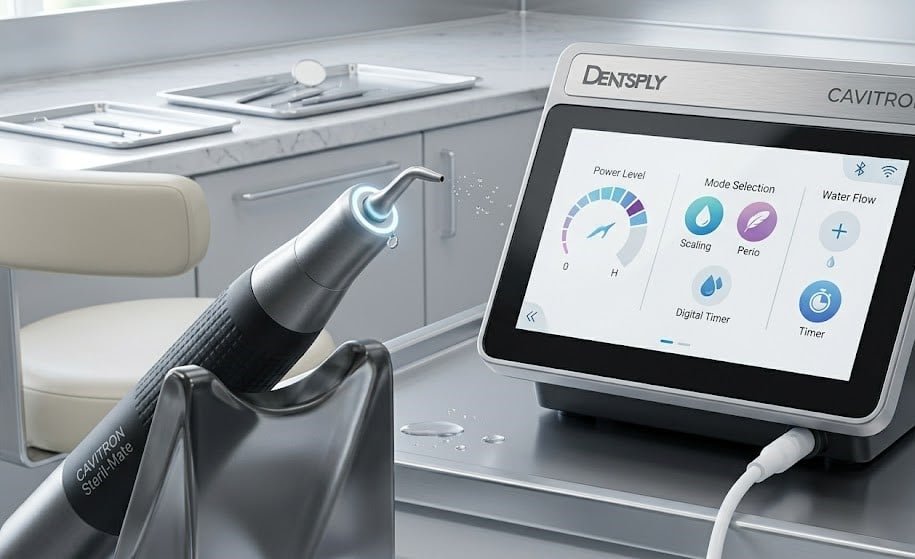
    If EMS is the high-tech wellness treatment, the Dentsply Sirona Cavitron® Touch is the ultimate heavy-duty clinical workhorse. Cavitron has been the gold standard for ultrasonic scaling in Western clinics for decades, and the “Touch” model elevates that legacy with a highly intuitive digital touch-screen interface and a sleek, modern footprint.

    Dentsply Sirona Cavitron Touch ultrasonic scaler featuring a digital touchscreen interface for heavy calculus removal.
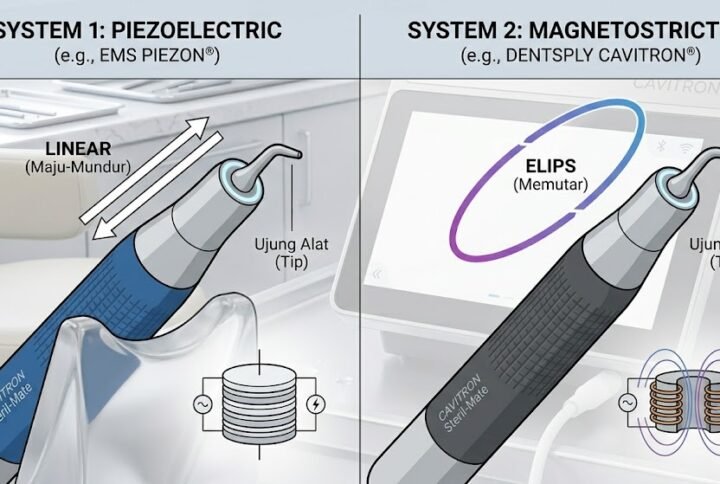
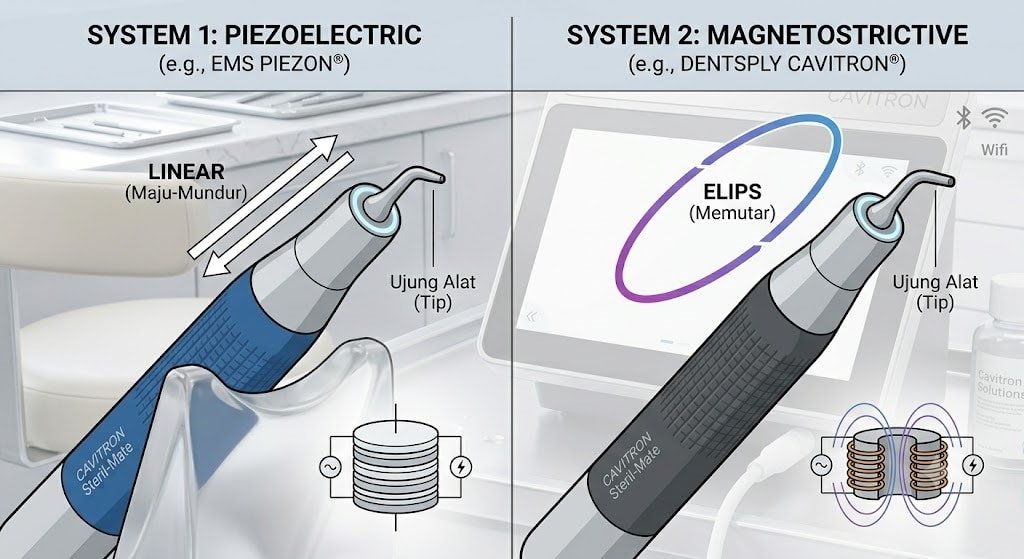
    Operating at 30 kHz, the Cavitron® Touch drives a unique 360-degree tip movement to effortlessly shatter heavy calculus sheets.

    Operating on a 30 kHz magnetostrictive frequency, the Cavitron® Touch drives a unique elliptical (360-degree) tip movement. This allows all sides of the scaling tip to remain active simultaneously, allowing clinicians to effortlessly shatter massive, sheets of hard calculus with unmatched speed. Coupled with its ergonomic, fully rotating Steril-Mate handpiece, it minimizes hand fatigue for clinicians while cutting down chair time drastically during tough, heavy-deposit cases.

    EMS AIRFLOW vs Cavitron Touch: Technical Comparison

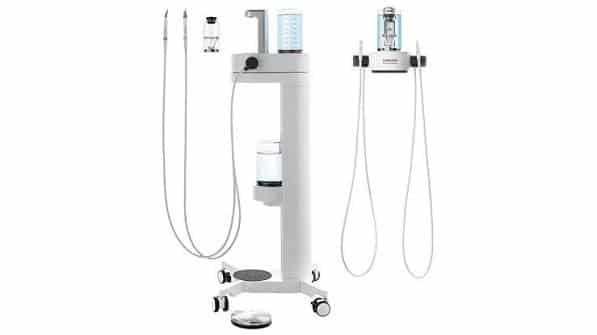
    ide-by-side comparison of EMS AIRFLOW vs Cavitron Touch units.
    Understanding the distinct tip movement profiles—EMS AIRFLOW vs Cavitron Touch—is key to determining their clinical efficiency on different types of calculus.

    To evaluate your return on investment (ROI), it helps to see how their core features directly compare in day-to-day clinical operations:

    Feature / ParameterEMS AIRFLOW® Prophylaxis MasterDentsply Sirona Cavitron® Touch
    Primary MechanismPiezoelectric Ultrasonic + Air Polishing ComboMagnetostrictive Ultrasonic (30 kHz)
    Tip Movement ProfileLinear (Back-and-forth), highly non-invasiveElliptical (360-degree circle), highly efficient
    Patient ComfortExcellent; features built-in automated water heating.Good; relies on cold or ambient water stream cooling.
    Heavy Calculus SpeedModerate; requires a systematic, multi-step protocol.Blazing fast; shatters thick calculus sheets instantly.
    Consumable CostsHigher; requires specialized powders, filters, and tips.Lower; long-lasting insert tips with minimal extras.
    Best Suited ForPreventive care, orthodontics, implants, VIP clinics.High-volume general practices, deep root planing.

    How to Decide: Which Unit Belongs in Your Operatory?

    Invest in the EMS AIRFLOW® Prophylaxis Master if:

    • You want to offer a premium experience: If your clinic targets urban professionals, families, or patients willing to pay a premium for a “painless” visit.
    • You treat many ortho and implant patients: The air-polishing stream flows seamlessly around brackets, wires, and titanium implant abutments where metal tools struggle.
    • You are heavily invested in GBT: If your clinic’s branding revolves around holistic, preventive wellness and proactive dental care.

    Invest in the Dentsply Sirona Cavitron® Touch if:

    • Your clinic handles high patient volumes: If you need to turn over chairs quickly and efficiently without getting bogged down by extensive multi-step protocols.
    • You frequently treat advanced calculus: If a significant portion of your patient base presents with heavy calcified deposits, deep periodontal pockets, or years of dental neglect.
    • You want rock-solid reliability with lower overhead: Cavitron inserts are incredibly durable, and the machine requires very little in terms of daily proprietary consumables.

    Conclusion EMS AIRFLOW vs Cavitron Touch

    Ultimately, there is no single “winner” between the EMS AIRFLOW vs Cavitron Touch because they serve two distinct practice goals. The EMS AIRFLOW® is a practice-building marvel that drives patient loyalty through unparalleled comfort, while the Cavitron® Touch is an industrial-grade earner that maximizes clinical efficiency. Assess your patient demographics, your clinic’s brand positioning, and your long-term treatment focus—your answer lies right there.

  • The Ultimate Way to Clear Dental Biofilm: Why Guided Biofilm Therapy (GBT) Is a Game-Changer

    The Ultimate Way to Clear Dental Biofilm: Why Guided Biofilm Therapy (GBT) Is a Game-Changer

    Ever noticed how your teeth can still feel a bit fuzzy or rough even right after you’ve brushed them? Or maybe you’ve wondered why stubborn tartar keeps building up despite your best efforts with a toothbrush twice a day. The culprit is an invisible, stubborn enemy called dental biofilm, to Guided Biofilm Therapy. Left unchecked, this microscopic layer hardens into tartar, paving the way for far more painful—and expensive—dental issues down the road.

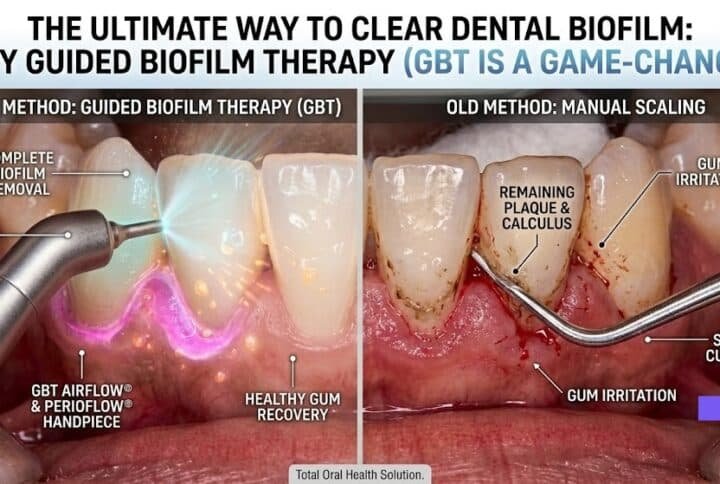
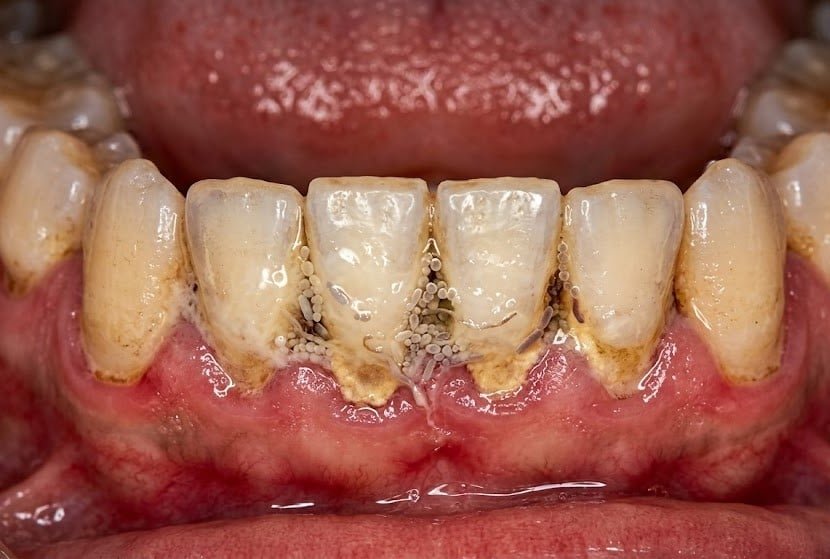
    Severe dental calculus and plaque buildup on lower teeth before being treated effectively with Guided Biofilm Therapy.
    Untreated dental biofilm eventually hardens into stubborn tartar (calculus), triggering visible redness and inflammation along the gumline.

    Fortunately, dental care has evolved past the days of dreading the dental chair. Enter Guided Biofilm Therapy (GBT), a revolutionary approach developed in Switzerland. It turns regular teeth cleaning upside down, offering a modern solution that is incredibly thorough, remarkably gentle, and practically pain-free compared to traditional scraping methods.

    Demystifying Dental Biofilm: The Real Culprit Behind Teeth Damage

    To understand why Guided Biofilm Therapy is such a breakthrough, we first need to look at what we are actually fighting. Dental biofilm is a sticky, colorless, and highly organized community of billions of bacteria. It clings to your teeth, along your gumline, and around dental work like fillings or crowns. These bacteria thrive and multiply by feeding on the microscopic sugars left behind from what we eat and drink.

    When biofilm isn’t completely cleared away, the bacteria produce acids that eat into your enamel, causing cavities and irritating your gums (hello, gingivitis). Over time, this soft biofilm absorbs minerals from your saliva and calcifies into hard tartar. Once it reaches that stage, a regular toothbrush won’t budge it; you need professional help.

    Did you know? Over 90% of common oral health problems—from simple cavities to severe gum disease (periodontitis) and chronic bad breath—start with the quiet, everyday accumulation of dental biofilm.

    What Exactly is Guided Biofilm Therapy (GBT)?

    Guided Biofilm Therapy is an evidence-based clinical protocol developed by EMS Dental in Switzerland. Traditional scaling feels a lot like using a sharp metal tool to manually scrape tartar off your teeth. GBT, however, takes a much more holistic, preventive, and patient-friendly approach.

    Think of it this way: if old-school scaling is like trying to scrub grime off a delicate car surface with a wire brush,Guided Biofilm Therapy is like a high-tech, touchless premium car wash. It uses a precise, warm stream of water, compressed air, and a specialized micro-powder (Airflow Powder) to gently wash away biofilm, early plaque, and stubborn stains from the most hard-to-reach nooks and crannies—without scratching your teeth or harming your gums.

    The 8-Step Journey of the GBT Protocol

    What makes this method “Guided Biofilm Therapy” is how systematic it is. Your dentist isn’t guessing where the bacteria are; they are visually map-guided through eight structured steps:

    1. Assessment & Infection Control: Your dentist or hygienist checks your overall oral health and sets up a sterile, safe environment.
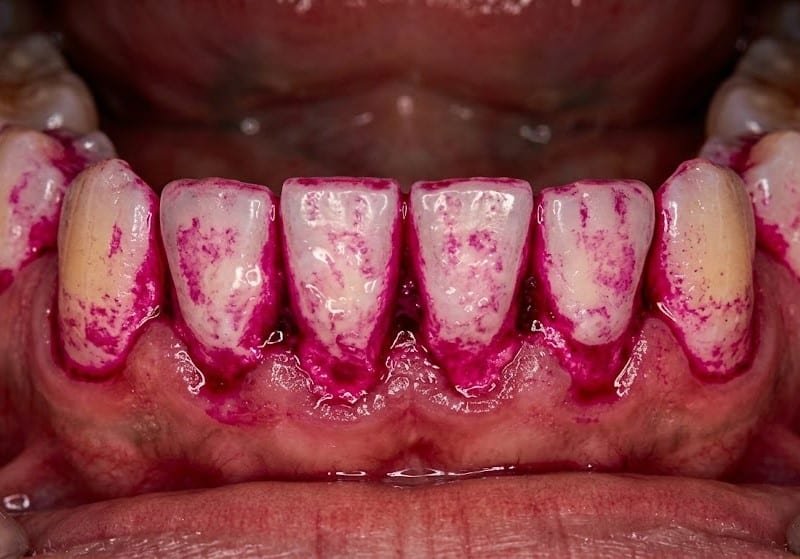
    2. Disclosing (The Reveal): This is the heart of the “Guided” concept. Your teeth are gently coated with a temporary, harmless dye. This dye reacts with the invisible biofilm, turning it a bright color (like purple or pink). Suddenly, the invisible enemy is fully exposed, showing exactly where the bacteria are hiding.
    3. Motivation & Education: Looking at your colored teeth in a mirror, your clinician can point out exactly which spots you’re missing at home and give you personalized tips to up your brushing game.
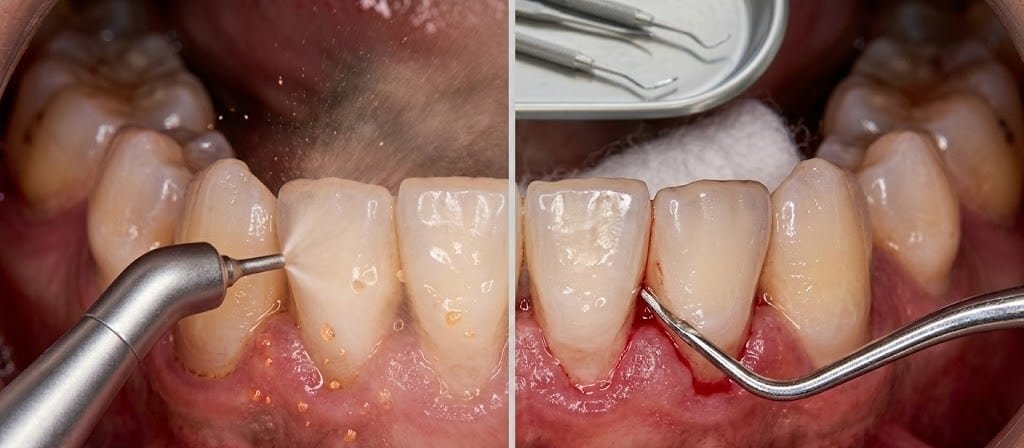
    4. Airflow®: This is where the magic happens. Using the Airflow® handpiece, the clinician clears away the colored biofilm, early tartar, and everyday stains (from coffee, tea, or smoking) above and below the gumline. It uses an incredibly fine Erythritol powder (just 14 microns wide) that feels like a gentle mist.
    5. Perioflow®: For those with deeper gum pockets (often seen in gum disease) or dental implants, a specialized, flexible Perioflow® nozzle safely cleans out bacteria from deep under the gums where normal brushes can’t reach.
    6. Piezon® No Pain: If there is hard, old tartar left behind, the clinician steps in with the Piezon® ultrasonic tool. Unlike old, noisy scalers, this smart tool detects how hard the tartar is and adjusts its power automatically. Plus, it uses warm water, drastically cutting down that icy, sensitive ache.
    7. Quality Check: Your clinician does a final pass to ensure 100% of the biofilm and tartar are gone. If needed, a quick re-disclosure ensures nothing was missed.
    8. Recall (Your Next Date): Based on your personal biofilm risk, your dentist will schedule your next maintenance visit (usually between 3 to 6 months) to keep your smile effortlessly clean.

    Why GBT Beats Traditional Scaling Every Single Time

    Let’s be honest: most people skip the dentist because they dread the scraping, the bleeding gums, and that awful metallic, high-pitched noise. GBT flips the script entirely, turning a chore into a comfortable wellness routine.

    FeatureTraditional ScalingGuided Biofilm Therapy (GBT)
    Comfort LevelOften causes sharp sensitivity or aching due to cold water and hard metal scraping.Incredibly comfortable; warm water and fine mist minimize sensitivity.
    PrecisionRelies entirely on the clinician’s naked eye; clear biofilm can easily be missed.Flawless accuracy because the dye clearly highlights every single bit of plaque.
    SafetyRisk of scratching enamel or irritating sensitive gum tissues if not done carefully.Completely non-invasive; highly protective of natural enamel, gums, and dental work.
    Braces & ImplantsTricky to clean around brackets and wires; risk of scratching titanium implants.Perfect for dental work; the air mist flows effortlessly around wires and implants without damage.

    The Verdict: A Smart Investment in Your Whole-Body Health

    Clearing dental biofilm isn’t just about getting that ultra-smooth, fresh-from-the-dentist feeling—it’s the easiest way to prevent full-body inflammation that can stem from untreated oral infections. Guided Biofilm Therapy proves that looking after your teeth doesn’t have to be a painful, anxiety-inducing ordeal.

    Don’t wait for a toothache or bleeding gums to wake you up. Talk to your dentist about Guided Biofilm Therapy and experience a whole new standard of clean. A little regular maintenance every six months is all it takes to keep your smile bright, your breath fresh, and your health on track!

  • Biohacking for Recovery

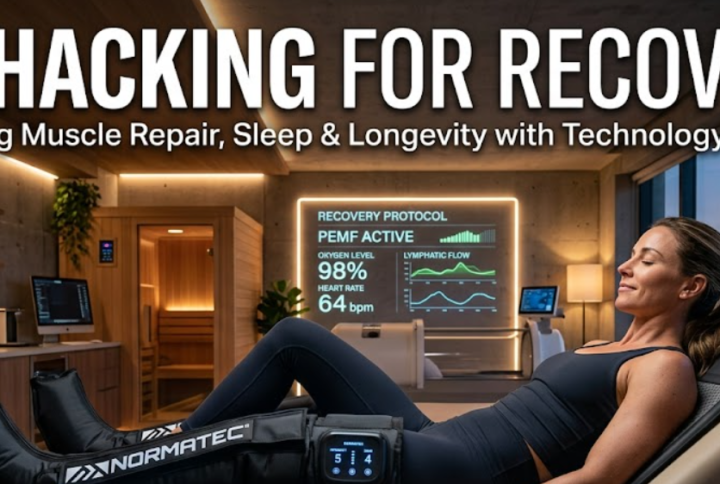
    Biohacking for Recovery

    Why Non-Invasive Technology is the Future of Health

    In the rapidly evolving landscape of 2026, the term “Biohacking for Recovery” has transitioned from a niche hobby for tech enthusiasts into a multi-billion dollar wellness revolution. Today, individuals are no longer satisfied with the traditional “wait and see” approach to medicine. Instead, they are taking a proactive stance—using cutting-edge technology to optimize their biological functions, speed up recovery, and eliminate chronic pain without the side effects of pharmaceuticals.

    For a specialized provider like Theramedicare, this shift represents a golden opportunity. By understanding the intersection of advanced medical devices and the biohacking movement, we can unlock new levels of human performance and healing. This guide explores the core pillars of recovery biohacking: PEMF, Cold Laser Therapy, and Scrambler Therapy.

    1. Understanding the Biohacking for Recovery: Beyond Traditional Recovery

    is biohacking essentially “DIY Biology.” It’s the practice of making small, incremental changes to your diet or lifestyle to improve your health and well-being. However, the most potent form of biohacking involves technology.

    Traditional recovery often relies on rest and anti-inflammatory drugs (NSAIDs). While effective in the short term, long-term use of painkillers can lead to gut issues, kidney stress, and dependency. Biohacking aims to “hack” the body’s internal repair systems—specifically at the cellular level—to achieve faster results naturally.

    2. PEMF Therapy: The Cellular Recharge

    One of the most researched and effective biohacking tools is Pulsed Electromagnetic Field (PEMF) therapy. If you think of your body as a high-performance machine, your cells are the batteries. Over time, due to injury, age, or stress, these “batteries” lose their voltage.

    How PEMF Works

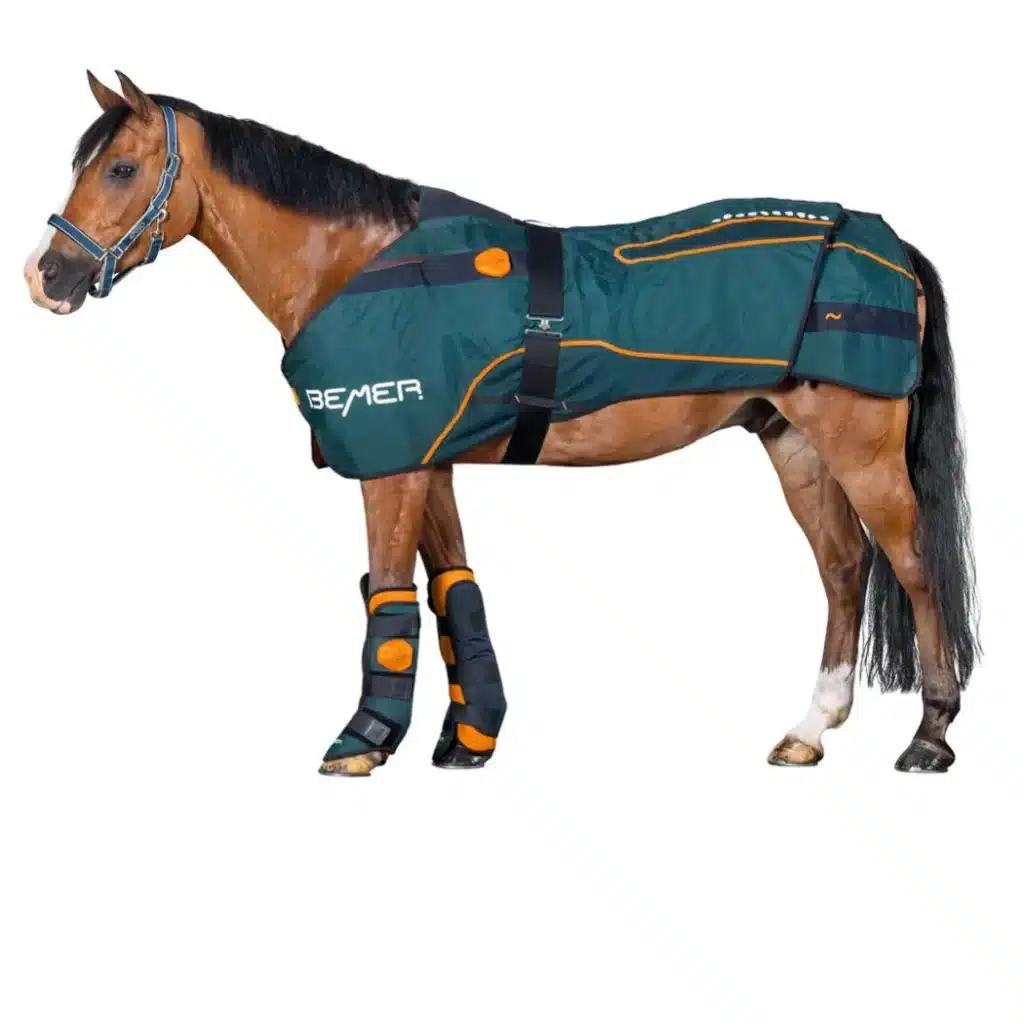
    PEMF devices, such as the world-renowned BEMER Horse-Set (used for equine athletes) or human-grade PEMF mats, send low-frequency electromagnetic pulses through the body. These pulses penetrate deep into the tissues, stimulating the ions within the cells.

    Key Benefits for Biohacking for Recovery:

    • Improved Microcirculation: BEMER technology, in particular, is famous for its ability to stimulate vasomotion—the rhythmic contraction of small blood vessels. This ensures that oxygen and nutrients reach the cells while metabolic waste is efficiently removed.
    • Accelerated Bone & Tissue Healing: PEMF has been FDA-cleared for decades to help heal non-union fractures. biohacking treatments for sports recovery use it to recover from sports injuries in half the usual time.
    • Stress Reduction: By balancing the autonomic nervous system, PEMF helps shift the body from “fight or flight” (sympathetic) to “rest and digest” (parasympathetic) mode.

    3. Cold Laser Therapy: The Power of Photobiomodulation

    If PEMF is about “recharging” cells, Cold Laser Therapy (also known as Low-Level Laser Therapy or LLLT) is about “fueling” them with light. Devices like the TerraQuant TQ Solo use specific wavelengths of light to trigger a chemical reaction in the mitochondria—the power plants of your cells.

    The Science of Healing with Light

    When the laser light hits the tissue, it increases the production of Adenosine Triphosphate (ATP). ATP is the energy currency of life. More ATP means the cell has more energy to repair damaged DNA, replicate, and fight off inflammation.

    Why Biohackers Love TerraQuant:

    • Portability: The TQ Solo allows for professional-grade therapy at home or on the go.
    • Painless & Non-Invasive: There is no heat or vibration; the light does all the work silently.
    • Versatility: It is equally effective for acute sprains, chronic arthritis, and even skin rejuvenation.

    4. Scrambler Therapy (Calmare): Hacking the Pain Signal

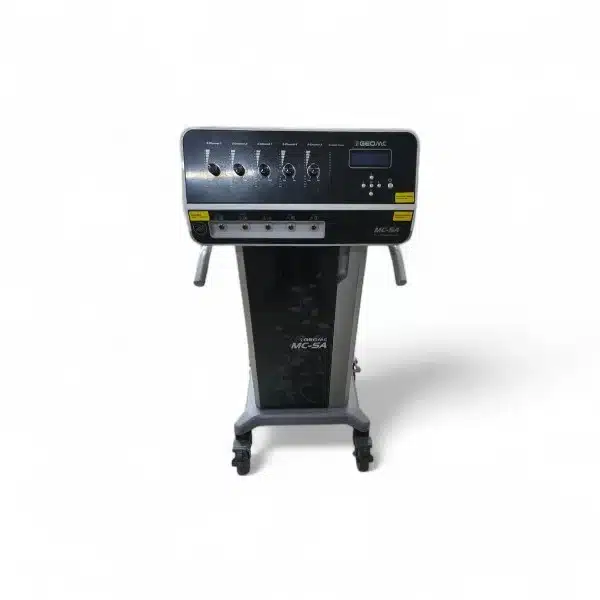
    For those suffering from debilitating chronic pain—such as neuropathy or failed back surgery syndrome—traditional Biohacking for Recovery might not be enough. This is where Scrambler Therapy comes in, utilizing advanced devices like the Calmare MC-5A.

    Breaking the Pain Loop

    Chronic pain is often a “glitch” in the nervous system. The nerves keep sending pain signals to the brain even after the injury has healed. Scrambler Therapy acts as a sophisticated “hacker.” It sends a “non-pain” signal to the brain via surface electrodes. The brain processes this new information and essentially “resets,” realizing that the intense pain signal is no longer valid.

    Benefits of Calmare:

    • Immediate Relief: Many patients feel a significant reduction in pain during the very first session.
    • No Drug Dependency: It offers a way out for patients who have become reliant on high-dose opioids.
    • Long-Term Remodeling: A series of treatments can lead to long-lasting pain relief by retraining the neural pathways.

    5. The Equine Biohacking for Recovery Trend: The BEMER Horse-Set

    Biohacking isn’t just for humans. In the world of professional horse racing and equestrian sports, the BEMER Horse-Set has become an industry standard. Elite riders understand that a horse is an athlete, and its sports recovery treatments is paramount.

    By applying PEMF therapy to horses, owners report:

    • Faster recovery after intense training or competition.
    • Improved muscle suppleness and relaxation.
    • Enhanced overall well-being and performance longevity.

    At Theramedicare, we see a growing trend of “Equine Biohackers” who treat their horses with the same technological precision they use for themselves.

    6. How to Build Your Personal Biohacking for Recovery

    If you are looking to integrate these technologies into your life or practice, here is a recommended roadmap:

    1. Phase 1: Foundation (PEMF): Start with a PEMF system to optimize your daily circulation and sleep.
    2. Phase 2: Targeted Repair (Laser): Use a portable laser like the TerraQuant for specific injuries or joint maintenance.
    3. Phase 3: Advanced Intervention (Scrambler): For clinics or individuals dealing with complex nerve pain, the Calmare MC-5A is the ultimate investment.

    7. Why Quality Matters: The Theramedicare Difference

    The market is flooded with cheap, knock-off devices that claim to be “Biohacking for Recovery.” However, true biohacking requires precision. Using a device with the wrong frequency or power output can be ineffective at best and harmful at worst.

    Theramedicare specializes in sourcing and distributing authentic, high-end medical equipment. Whether it’s a refurbished Perkin Elmer GC for laboratory research or a Calmare MC-5A for pain management, we ensure that our customers receive tools that meet international medical standards.

    Take Control of Your Biology

    The future of healthcare is no longer in the pharmacy; it is in the fusion of biology and technology. By embracing PEMF, Laser Therapy, and Scrambler Therapy, you are not just treating symptoms—you are upgrading your entire biological operating system.

    Are you ready to optimize your recovery? Explore the full range of professional medical equipment at Theramedicare and join the biohacking revolution today.

  • 5 Tips for Choosing a Comfortable Wheelchair

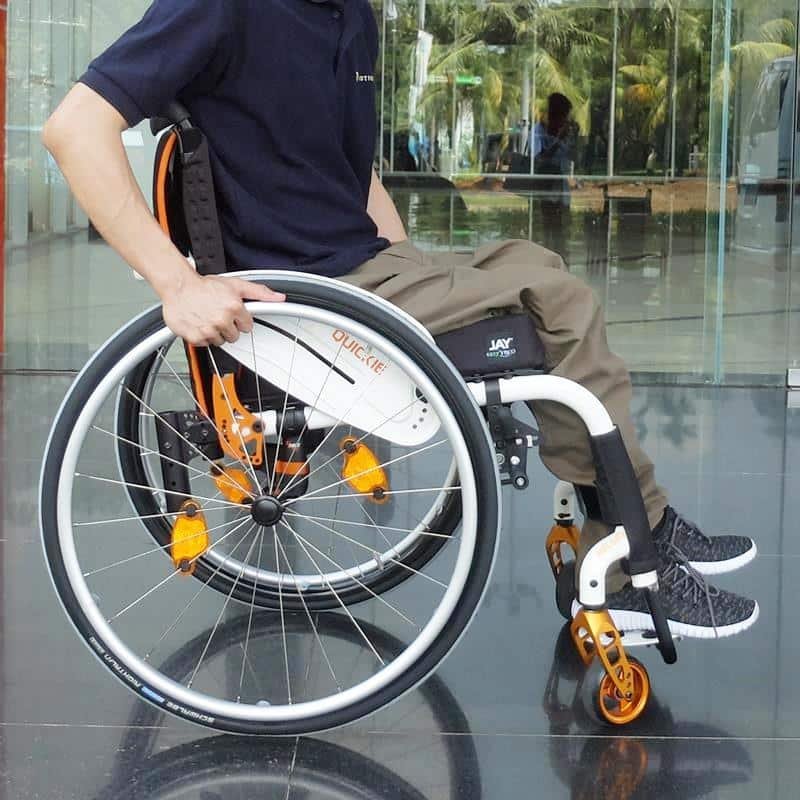
    5 Tips for Choosing a Comfortable Wheelchair

    The Ultimate Buyer’s Guide

    Mobility is more than just moving from point A to point B; it is about independence, dignity, and, most importantly, comfort. For individuals with limited mobility, a wheelchair is not just a piece of medical equipment—it is an extension of their body.

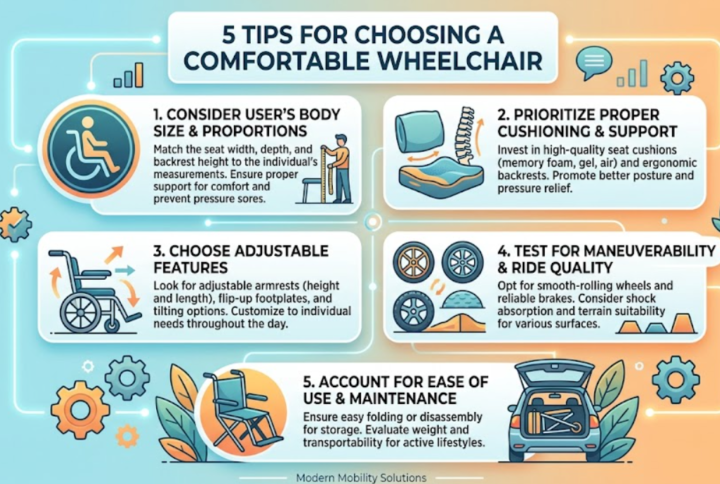
    At Thera Medicare, we understand that choosing a comfortable wheelchair can feel overwhelming. With hundreds of models, features, and technical specifications available, how do you ensure you are making the right investment? In this comprehensive guide, we will break down the essential steps to help you in choosing a comfortable wheelchair that meets both medical needs and lifestyle preferences.

    Choosing a Comfortable Wheelchair

    1. Prioritize Anatomical Fit: Seat Width and Depth

    The foundation of wheelchair comfort lies in the “fit.” Just like a pair of shoes, the process of choosing a comfortable wheelchair starts with accurate measurements.

    • Seat Width: Ideally, there should be about 1 inch of space between the user’s hips and the side panels. If the seat is too narrow, it creates pressure on the thighs.
    • Seat Depth: This is measured from the back of the pelvis to the back of the knee. Proper depth is a critical factor when choosing a comfortable wheelchair because it prevents circulation issues.

    Pro Tip: Always measure the user while they are seated on a flat surface to ensure you are choosing a comfortable wheelchair that fits perfectly.

    2. Weight and Portability: Steel vs. Aluminum

    One of the biggest factors in long-term satisfaction is how easy the wheelchair is to handle. When you are choosing a comfortable wheelchair, you must consider the material of the frame.

    Lightweight Aluminum: These are the “gold standard” for active users. They weigh significantly less, which is a major advantage when choosing a comfortable wheelchair for travel or frequent transport in a car trunk.er’s back.

    Standard Manual Wheelchairs: Usually made of steel, these are durable but heavy.

    3. Wheel Dynamics and Terrain Compatibility

    The “ride quality” of a wheelchair depends almost entirely on the wheels. You need to match the wheel type to the environment where the chair will be used most.

    • Rear Wheel Size: Large rear wheels (22–24 inches) allow the user to self-propel. If the user has enough upper body strength, this offers the most independence. Small rear wheels are found on “Transport Chairs,” which require a second person to push.
    • Tire Material: * Pneumatic (Air-filled): Provide the best shock absorption on uneven surfaces like sidewalks or gravel but require maintenance (pumping air).
      • Solid Polyurethane: These never go flat and are maintenance-free, but the ride can feel “bumpy” on rough terrain.
    • Casters: The small front wheels (casters) dictate how easily the chair turns. Larger casters handle outdoor bumps better, while smaller casters allow for sharp turns in tight indoor hallways.

    4. Adjustability: The Key to Long-Term Comfort

    A person’s needs may change over months or years. A “static” wheelchair may become uncomfortable as health conditions evolve. Look for these adjustable features:

    • Adjustable Footrests: Leg length can vary. Footrests that are too high push the knees up, causing hip pain. Footrests that are too low cause the user to “slide” out of the chair.
    • Armrest Styles: “Desk-length” armrests allow the user to sit close to a dining table, while “Full-length” armrests provide more support for standing up. Removable or “flip-back” armrests are essential for safe side-transfers from a bed or car.
    • Tension-Adjustable Backrest: Instead of a flat piece of fabric, some modern wheelchairs allow you to tighten or loosen straps to match the natural curve of the user’s spine.

    5. Specialized Cushions and Upholstery

    Never overlook what sits between the user and the chair. The standard nylon upholstery provided with most chairs is durable but offers very little pressure relief.

    • Foam Cushions: Great for basic comfort and stability.
    • Gel Cushions: Excellent for cooling and distributing weight, preventing heat buildup during long hours of use.
    • Air Cushions (e.g., ROHO style): These are the premium choice for users at high risk of pressure ulcers, as they allow the user to “sink” into the cushion, distributing pressure evenly.

    Why Quality Matters: The Thera Medicare Difference

    When you search for medical equipment online, it is easy to get distracted by the lowest price. However, a lightweight transport wheelchair is a medical necessity, not a furniture item. Choosing a reputable provider like Theramedicare ensures that:

    1. The materials are medical-grade and non-toxic.
    2. The frame has undergone rigorous stress tests for safety.
    3. You have access to expert guidance to match the chair to your specific medical condition.

    Conclusion: Making Your Final Choice

    choosing the right manual wheelchair is an investment in health and happiness. By focusing on the fit, weight, wheel type, adjustability, and cushioning, you can significantly improve the daily experience of the user.

    Remember, a wheelchair should not limit a person; it should set them free. If you are still unsure which model is right for your home or facility, our team at Theramedicare is here to help. buying a wheelchair

  • 7 Mind-Blowing Benefits of Pro-Nox for Reducing Patient Anxiety

    7 Mind-Blowing Benefits of Pro-Nox for Reducing Patient Anxiety

    Pro-Nox Carestream: In the landscape of modern aesthetic medicine and minor surgery, the paradigm of care has shifted. Perfect clinical results alone are no longer sufficient; the patient experience during the procedure has become the deciding factor in whether patients return or recommend your clinic. With the introduction of Pro-Nox, this experience can be significantly enhanced.

    One of the biggest barriers in energy-based aesthetic procedures (such as lasers or ultrasound) and injectables is pain and anxiety. Conventional methods like topical anesthetic creams often take a long time to work and do not address mental anxiety. This is where Pro-Nox from Carestream America enters as a revolutionary solution to alleviate patient discomfort.

    This article will dissect in depth the technology, physiological mechanisms, safety protocols, and business analysis of utilizing the Pro-Nox analgesia system to improve patient outcomes.

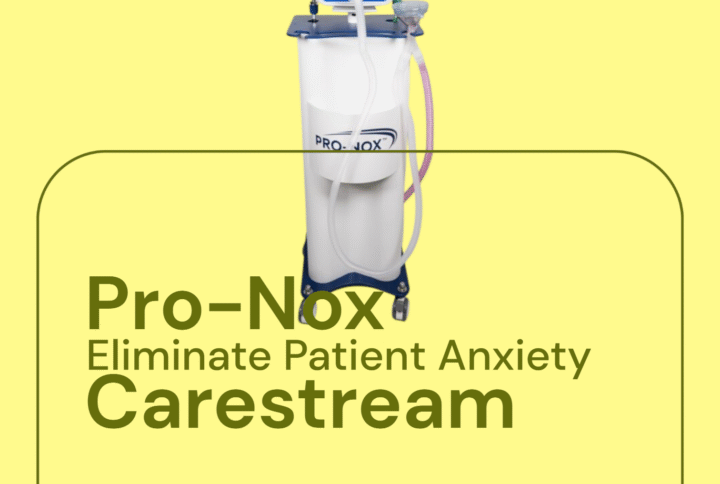
    Full view of the Pro-Nox Carestream Nitrous Oxide delivery system on a mobile trolley for aesthetic clinics.

    The Science Behind Pro-Nox (Pharmacology & Physiology)

    Understanding Pro-Nox and Its Benefits

    Pro-Nox is not general anesthesia. It is an inhaled analgesia delivery system utilizing a fixed gas mixture: 50% Nitrous Oxide (N₂O) and 50% Oxygen (O₂). Understanding how Pro-Nox works is crucial for medical practitioners.

    Dual Mechanism of Action

    This 50/50 mixture provides two simultaneous, highly beneficial effects:

    1. Analgesia (Pain Relief): N₂O suppresses pain signal transmission in the Central Nervous System (CNS) and stimulates the release of endogenous opioids (such as endorphins). This effect significantly raises the patient’s pain threshold.
    2. Anxiolysis (Anxiety Relief): Through interaction with GABA-A receptors in the brain, the gas provides a mild sedative effect and a sense of euphoria. Patients anxious about needles or invasive procedures become significantly more relaxed.

    Pharmacokinetics: Rapid Onset and Offset

    The primary advantage of Nitrous Oxide is its extremely low solubility in blood.

    • Onset (Start of Action): The gas reaches equilibrium in the brain in less than 60 seconds. Patients feel the effects almost instantly.
    • Offset (End of Action): As soon as the patient stops inhaling and begins breathing normal air, the gas is “washed out” from the lungs. Patients return to full alertness (baseline) within 5 to 10 minutes.
    Close-up of Pro-Nox Carestream mixing valve showing the fixed 50/50 ratio of Oxygen and Nitrous Oxide for safety.

    Deep Dive into Technical Specifications

    Carestream America designed Pro-Nox with a focus on operational simplicity and absolute safety. Here are the technical details that distinguish it from complex hospital sedation machines:

    Self-Contained Pneumatic System (Non-Electric)

    Pro-Nox is fully operated by gas pressure. There are no electrical cords, no batteries, and no digital circuits that can fail.

    • Advantage: The device is highly mobile (easily moved between rooms on a cart) and requires minimal maintenance (maintenance-free for electrical components).

    Demand Valve

    This is a key feature for workplace safety. Gas flows only when there is negative pressure (when the patient inhales).

    • Contamination Prevention: If the patient drops the mask or mouthpiece, the gas flow stops immediately. This prevents N₂O leakage into the clinic’s ambient air, protecting doctors and nurses from long-term exposure.

    “Fail-Safe” Security Feature

    The system features an automatic locking mechanism. If the Oxygen cylinder runs out or pressure drops significantly, the system will immediately cut off the Nitrous Oxide flow. It is impossible for this device to deliver 100% N₂O, meaning the risk of patient hypoxia (oxygen deprivation) is zero.

    Aesthetic doctor preparing Pro-Nox Carestream device for pain management before a microneedling procedure.

    Comparative Analysis of Pain Management Methods

    Why choose Pro-Nox over other methods? Here is the comparison:

    FeatureTopical Anesthesia (Cream)Oral Meds (Valium/Xanax)IV Sedation (General)Pro-Nox (N₂O)
    Wait Time30 – 60 minutes45 – 60 minutesInstantInstant (seconds)
    Recovery DurationNoneHoursHours5 – 10 Minutes
    Driving AllowedYesNoNoYes
    Effect on AnxietyNoneYesYesYes
    Staff RequirementNurseNurseAnesthesiologistPatient Self-Administered

    Table Conclusion: Pro-Nox is the only method that combines rapid onset, anti-anxiety effects, and the ability for patients to drive themselves home.

    Clinical Applications and Ideal Procedures

    Pro-Nox is highly effective for procedures that cause mild to moderate-high pain (“discomfort”) but do not require total sedation.

    Dermatology & Aesthetics:

    Ultherapy & HIFU: Known for “deep tissue heat” pain, Pro-Nox makes this procedure highly tolerable.

    RF Microneedling (Morpheus8, Potenza, Sylfirm X): Reduces the sensation of multiple needle punctures.

    Laser Resurfacing (CO2, Erbium): Helps patients remain calm while the laser heat sensation works.

    Tattoo Removal: A quick but sharp pain procedure; perfectly suited to Pro-Nox’s quick-onset nature.

    Plastic & Reconstructive Surgery:

    Tumescent Liposuction (small areas).

    Scar Revision.

    Fat Harvesting.

    Urology & Gynecology:

    No-Scalpel Vasectomy.

    Prostate Biopsy.

    Vaginal Rejuvenation procedures.

    Safety Protocols and Contraindications

    As a responsible medical guide, it is important to know when Pro-Nox MUST NOT be used.

    Absolute Contraindications:

    1. Pneumothorax: N₂O can diffuse into air cavities in the chest and expand them, which is dangerous.
    2. Bowel Obstruction: Similar to the lungs, the gas can exacerbate intestinal distension.
    3. Vitamin B12 Deficiency: N₂O can interfere with B12 metabolism; avoid in patients with severe, untreated deficiency.
    4. First Trimester Pregnancy: Although not definitively proven teratogenic in humans, medical precaution suggests avoiding it in early pregnancy.

    Side Effects: Very rare, but some patients may experience nausea or light dizziness. This usually resolves within 1-2 minutes after the mask is removed.

    Business Analysis (ROI) for Clinic Owners

    Investing in a Pro-Nox unit is not just a medical decision, but a smart business strategy.

    1. Time Efficiency (Patient Turnover): Eliminating the 45-minute wait time for numbing cream means you can serve more patients per day. Treatment rooms do not sit “idle” simply waiting for the cream to take effect.
    2. Pro-Nox “Pain-Free” Marketing: Your clinic can promote itself as a “Minimal Pain Treatment Center.” This attracts a massive market segment of patients who are afraid of pain.
    3. Direct Monetization: Many clinics charge an add-on fee for the use of the disposable tubing/circuit. With a reasonable additional cost, clinics can break even (ROI) on the device purchase in a relatively short time, while increasing patient satisfaction.

    FAQ (Frequently Asked Questions)

    Including this section on your website will help address potential patient concerns.

    Q: Will I fall asleep or pass out? A: No. You will remain fully conscious, able to speak with the doctor, and in control of your body. You will simply feel very relaxed and perhaps a pleasant “floating” sensation.

    Q: Can I drive home myself? A: Yes. Because Nitrous Oxide gas clears from your system within 10-15 minutes, you are permitted to drive home safely after a short observation period.

    Q: Is it safe for breastfeeding? A: Yes. The gas does not linger in the body and does not affect breast milk once the gas is exhaled.

    Conclusion

    Pro-Nox by Carestream has changed the game in patient comfort management. It gives control back to the patient, eliminates fear, and allows doctors to work with greater calm and precision.

    For modern clinics aiming to elevate their service standards to an international level, Pro-Nox is no longer just an optional add-on, but an essential necessity.

  • PerkinElmer GC Gas Chromatograph

    PerkinElmer GC Gas Chromatograph

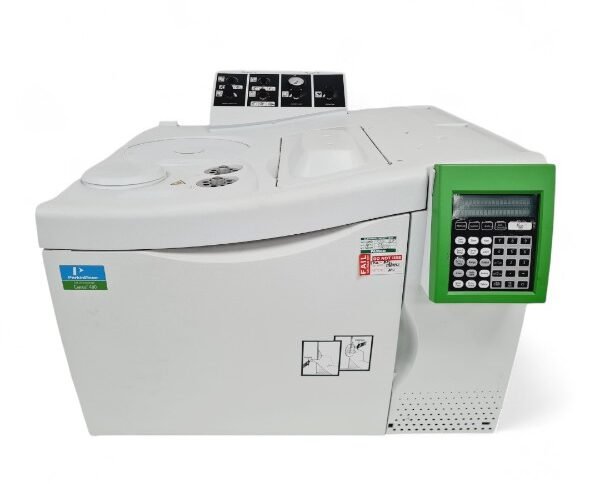
    Theramedicare.com – PerkinElmer GC and Mass Spectrometry is an essential analytical technique in laboratories worldwide, prized for its ability to separate, identify, and quantify components in complex mixtures. The PerkinElmer GC Gas Chromatograph series, including Clarus 590, Clarus 500, and GC-MS 2400, represent some of the most advanced systems available, offering automation, precision, and versatility for a wide range of applications. This article aims to guide you through what GC is, how it functions, its role in blood analysis, types of analytes suited for it, the detectors used, how it compares with HPLC, and the capabilities and limitations of GC-MS.

    PerkinElmer GC Gas Chromatograph and Mass Spectrometry is an essential analytical technique in laboratories worldwide

    What is GC Used For?

    PerkinElmer GC Gas Chromatograph is mainly used to analyze volatile and semi-volatile organic compounds. Laboratories utilize GC for many purposes:

    • Pharmaceutical Industry: Quality control and purity analysis of raw materials and finished products. GC detects residual solvents to ensure safety.
    • Environmental Monitoring: Detection of pollutants like pesticides, herbicides, and volatile organic compounds (VOCs) in air, water, and soil.
    • Food and Beverage Industry: Flavor profiling, detecting contaminants, and quality assurance.
    • Petrochemical Analysis: Characterization of hydrocarbons in fuels and oils.
    • Clinical and Biomedical Research: Analysis of blood and biological fluids for drug metabolites and toxicants.

    PerkinElmer GC units, equipped with advanced temperature control, autosamplers, and a variety of detectors, are suitable for these diverse analytical tasks.

    What is the Basic Principle for Blood Analysis Using Gas Chromatography?

    Blood samples pose analytical challenges due to their complexity. In PerkinElmer GC Gas Chromatograph analysis for blood:

    1. Sample Preparation: Blood undergoes extraction or derivatization to isolate volatile metabolites or drugs suitable for GC.
    2. Injection and Vaporization: A microvolume is injected into a heated GC injector where it vaporizes.
    3. Separation: The vaporized analytes are carried through the GC column by an inert carrier gas (helium or nitrogen). Separation occurs based on volatility and interaction with the column’s stationary phase.
    4. Detection: As analytes exit the column, detectors (such as flame ionization or mass spectrometry) identify and quantify them.
    5. Data Analysis: Chromatograms display peaks corresponding to different blood components, enabling qualitative and quantitative evaluation.

    This process allows clinicians and researchers to monitor drug levels, detect toxic substances, and study metabolism with high specificity.

    What are the Primary Functions of a Gas Chromatograph?

    PerkinElmer GC Gas Chromatograph are designed to:

    • Separate complex mixtures into individual components.
    • Identify unknown substances via retention time comparison and detector response.
    • Quantify trace components precisely.
    • Ensure purity of chemicals and pharmaceuticals.
    • Support regulatory compliance by monitoring materials for impurities.
    • Speed up routine analyses with automated sample injection and temperature programming.

    PerkinElmer GC Gas Chromatograph maximize these functions with programmable pneumatic control, wide temperature ranges (up to 450°C), and easy maintenance features.

    What is GC and MS?

    • Gas Chromatography (GC): Separates volatile compounds in mixtures.
    • Mass Spectrometry (MS): Identifies compounds by measuring mass-to-charge ratios of ionized molecules.

    GC-MS combines separation (GC) and identification (MS) into a powerful analytical tool. This enables detailed molecular analysis, even for trace components, making it invaluable in forensic, pharmaceutical, and environmental labs.

    What Types of Analytes Suit GC Analysis?

    Ideal analytes for PerkinElmer GC Gas Chromatograph include:

    • Volatile organic compounds (VOCs) such as hydrocarbons, alcohols, and esters.
    • Pesticides and herbicides.
    • Essential oils and flavor compounds.
    • Residual solvents in pharmaceuticals.
    • Environmental pollutants.

    Non-volatile or thermally unstable compounds are unsuitable unless chemically modified (derivatized) for volatility and heat stability.

    What Types of Detectors are Available in GC?

    Common detectors in PerkinElmer and other GC units include:

    • Flame Ionization Detector (FID): Highly sensitive to organic compounds, especially hydrocarbons.
    • Thermal Conductivity Detector (TCD): Universal detector that detects changes in thermal conductivity of carrier gas.
    • Electron Capture Detector (ECD): Sensitive to electronegative compounds such as halogens and pesticides.
    • Mass Spectrometer (MS): Provides molecular weight and structural information of analytes, enabling unknown identification.

    Each detector suits different analytes and applications, offering flexibility to labs.

    What is the Difference Between GC and HPLC?

    FeatureGas Chromatography (GC)High-Performance Liquid Chromatography (HPLC)
    SampleVolatile and thermally stable compoundsNon-volatile, thermally labile compounds
    Mobile PhaseInert gases (helium, nitrogen)Liquid solvents
    ColumnCapillary column with stationary phasePacked column with stationary particles
    Temperature ControlOven-controlled up to 450°CUsually ambient to moderate heating (max ~60°C)
    ApplicationsResidual solvents, hydrocarbons, pesticidesProteins, peptides, polar and ionic compounds

    PerkinElmer GC Gas Chromatograph is best for gases, solvents, and smaller organics, while HPLC suits biomolecules and larger polar compounds.

    Can GC-MS Test Everything?

    Despite GC-MS’s power, it has limitations:

    • Strengths: Volatile, thermally stable compounds; highly sensitive trace analysis.
    • Limitations: Non-volatile, large biomolecules require alternative methods like LC-MS.
    • Sample Prep: Some compounds need derivatization before GC-MS.
    • GC-MS is not universal but is complemented by other analytical techniques for full profiling.

    Technical Specifications of PerkinElmer Clarus 590 GC (Example)

    • Oven volume: 10,600 cm³
    • Temperature range: 10°C above ambient to 450°C or -99°C to 450°C with accessory
    • Temperature ramps: up to 3 ramps and 4 plateaus, with increments of 1°C
    • Cool down: ~4.8 min from 250°C to 50°C
    • Microprocessor control and touchscreen interface
    • Supports various injectors and detectors
    • Autosampler capacity: up to 144 samples
    Sample chromatogram output illustrating peak separation, retention times, and detection.

    Conclusion

    PerkinElmer GC Gas Chromatographs are versatile, precise instruments crucial for modern analytical chemistry. Their robust design, advanced detectors, and automation support a wide range of applications, from pharmaceuticals to environmental science. Understanding GC fundamentals, analyte suitability, and complementary methods like GC-MS ensures optimal use of these powerful tools.

    Consider investing in PerkinElmer GC Gas Chromatograph systems for reliable, accurate chromatography solutions tailored to your laboratory needs.

  • Unlock Freedom with BOWA ARC 400 Electrosurgical Units

    Unlock Freedom with BOWA ARC 400 Electrosurgical Units

    Theramedicare – In modern surgical practice, precision and safety are paramount. Electrosurgery has revolutionized surgical procedures by allowing surgeons to cut tissue and coagulate blood vessels with high-frequency electrical currents. This Vessel sealing technology minimizes bleeding, reduces operating times, and enhances patient outcomes. Among the top devices in this field is the BOWA ARC 400 Electrosurgical Unit (ESU), a state-of-the-art system designed to optimize both monopolar and bipolar electrosurgery with innovative sealing techniques. This article explores the features, clinical benefits, and reasons why the ARC 400 stands out as a leader in electrosurgical unit device technology.

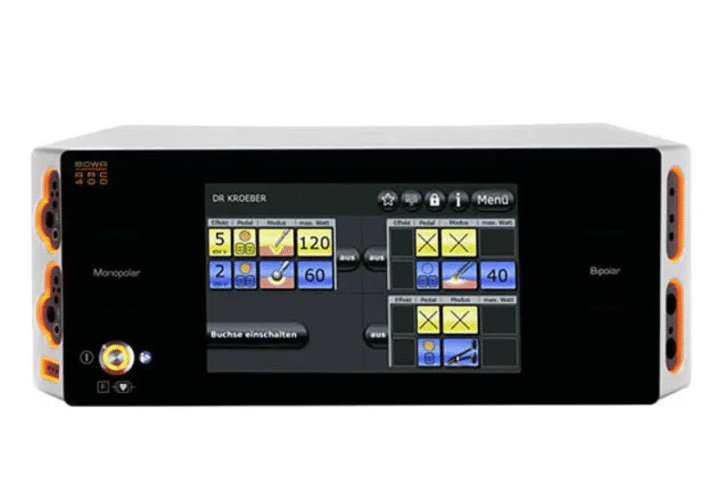
    BOWA ARC 400 electrosurgical unit, front panel with digital display and controls

    What Is the BOWA ARC 400 Electrosurgical Unit?

    The BOWA ARC 400 Electrosurgical is a next-generation electrosurgical unit device engineered for versatility and efficiency in surgical environments. It supports up to two monopolar and three bipolar instruments connected simultaneously, accommodating various complex surgical needs. Its hallmark is the seamless integration of HF (high-frequency) surgery with advanced vessel sealing technology, enabling safe and permanent closure of blood vessels and tissue bundles up to 7 mm in diameter.

    Cutting-Edge Features of the BOWA ARC 400

    Automatic Instrument Recognition with Plug’n Cut Technology

    One of the BOWA ARC 400 Electrosurgical most innovative features is its Plug’n Cut technology. This system automatically detects connected instruments and selects the appropriate cutting or coagulation mode. By doing so, it eliminates manual guesswork, reduces setup times, and enhances the precision of surgical workflows.

    Versatile Cutting and Coagulation Modes

    The BOWA ARC 400 Electrosurgical provides a robust set of operating modes:

    • 12 monopolar cutting modes with nine effect variations
    • 9 monopolar coagulation modes
    • 4 bipolar cutting modes
    • 9 bipolar coagulation modes

    Surgeons can tailor electrosurgical output to the specific needs of each procedure, ensuring optimal hemostasis and tissue management.

    Superior Vessel Sealing (LIGATION Function)

    The device’s LIGATION functionality effectively seals vessels and tissue up to 7 mm in diameter. This advanced sealing technique is permanent and reliable, suited for open and laparoscopic procedures. It facilitates faster surgery and reduces the risk of postoperative bleeding.

    Intuitive Glass Touch User Interface

    The BOWA ARC 400 Electrosurgical features a high-resolution safety glass touchscreen. The display is ergonomically divided into four quadrants, each representing an instrument socket. Visual feedback highlights active settings, ensuring surgeons maintain full control even in dimly lit operating rooms. The interface is designed for hygienic cleaning, with a smudge- and scratch-resistant surface, making it ideal for sterile environments.

    Personalization and Workflow Optimization

    The unit allows saving and quickly recalling up to 300 personalized settings, enabling surgeons and surgical teams to create customized protocols tailored to their preferences. The ZAP mode creatively supports two independent settings per instrument socket, which can be switched during surgery without breaking sterility.

    Safety Features and Advanced Monitoring

    Safety is paramount. The BOWA ARC 400 Electrosurgical integrates EASY neutral electrode monitoring, including a contact monitor and a special baby mode with automatic power limitation. These features help prevent patient burns by monitoring electrode contact quality in real time.

    Technical Specifications at a Glance

    SpecificationDetails
    Maximum Power Output400 W (monopolar & bipolar)
    Operating Frequency350 kHz
    Monopolar Cut Modes12 modes, 9 effect levels
    Monopolar Coagulation Modes9 modes
    Bipolar Cut Modes4 modes
    Bipolar Coagulation Modes9 modes
    Vessel Sealing CapabilityUp to 7 mm diameter
    ConnectivitySupports 2 monopolar + 3 bipolar instruments simultaneously
    DisplayHigh-resolution glass touchscreen
    Custom Presets StorageUp to 300 configurations
    Size & Weight430 x 180 x 475 mm, approx. 12.5 kg

    Clinical Applications: From General Surgery to Specialized Procedures

    The BOWA ARC 400 Electrosurgical is incredibly versatile, making it suitable for many surgical specialties including:

    • General, visceral, thoracic, and pediatric surgery
    • Gynecology
    • Urology (including bipolar resection)
    • ENT (Ear, Nose, Throat)
    • Plastic and cosmetic surgery
    • Orthopedics and trauma surgery
    • Oral and maxillofacial surgery

    Its versatile modes and reliable sealing technology make it adaptable for both conventional and minimally invasive procedures.

    Comparing the BOWA ARC 400 with Other Electrosurgical Units

    While many electrosurgical units device offer dual monopolar and bipolar functionality, the ARC 400 distinguishes itself through:

    • Capacity to connect multiple instruments simultaneously, reducing setup time and increasing operational flexibility.
    • The Plug’n Cut system’s automatic instrument recognition, a feature some competitors lack or poorly implement.
    • Extensive personalization options with up to 300 saved settings, far exceeding many standard devices.
    • Robust safety features including EASY neutral electrode monitoring and baby mode power limitations.
    • A hygienic, scratch-resistant touchscreen interface optimized for sterile OR environments.

    Why Invest in the BOWA ARC 400 for Your Hospital or Clinic?

    • Efficiency: Faster instrument setup and switching means reduced downtime during critical procedures.
    • Safety: Advanced monitoring limits risks of burns or unintended tissue damage.
    • Precision: Multiple cutting and coagulation modes deliver tailored energy output for different tissue types.
    • Versatility: Suitable for a broad range of specialties and procedures.
    • Cost-Effectiveness: Its reliability and longevity reduce long-term equipment costs.

    Tips for Maximizing the Use of the BOWA ARC 400

    To fully realize the BOWA ARC 400 Electrosurgical potential:

    • Provide comprehensive training for surgical staff on preset creation and device maintenance.
    • Utilize personalized presets for commonly performed procedures to streamline workflow.
    • Regularly update the device software to benefit from enhancements.
    • Adhere to proper cleaning protocols to maintain the touchscreen’s durability and hygiene.

    The Future of Electrosurgery Is Here with BOWA ARC 400

    The BOWA ARC 400 Electrosurgical unit device represents the forefront of surgical Vessel sealing technology, combining flexibility, innovation, and safety. Its advanced features position it as an indispensable tool for modern operating rooms aiming for excellence in patient care.

    With personalized settings, smart instrument recognition, superior vessel sealing, and a user-friendly interface, the ARC 400 boosts surgeon confidence and surgical outcomes. Healthcare institutions investing in this technology are well-positioned to enhance their surgical capabilities and patient safety.

    A promotion offering a 5% discount through NHS Supply Chain until the end of 2025 makes it an opportune moment to upgrade to this cutting-edge device.