Blog

  • Apilus Senior 2 vs 3G: Which Is Best?

    Apilus Senior 2 vs 3G: Which Is Best?

    When comparing Apilus Senior 2 vs 3G, any solo practitioner or clinic owner knows that choosing the right electrolysis machines apilus senior equipment is one of the biggest financial decisions you’ll make. Dectro’s Apilus line is universally respected, but when you’re looking at the pre-owned market or weighing a new purchase, the debate almost always comes down to two models: the Apilus Senior 2 and the Apilus Senior 3G.

    Both machines are Canadian-made workhorses capable of delivering permanent hair removal. But they cater to two entirely different clinic realities. Let’s skip the marketing fluff and look at how these two machines actually perform on the job.

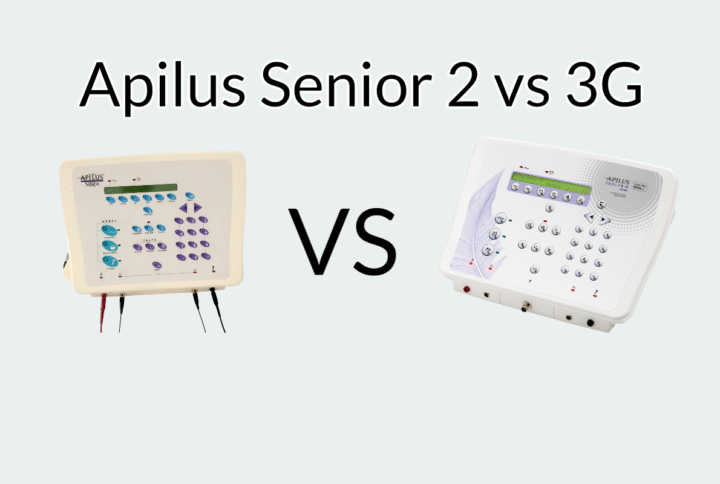
    Side-by-side comparison of Apilus Senior 2 vs 3G electrolysis machines for clinic

    📊 Apilus Senior 2 vs 3G: Technical Differences

    Before we dive into the clinical experience, here is a quick, no-nonsense look at what you are actually getting with each machine.

    Key FeatureApilus Senior 2Apilus Senior 3G
    TechnologyClassic analog-style microprocessor3rd-generation digital micro-impulses
    Pulse SpeedHundredths of a secondThousandths of a second (Milliseconds)
    InterfaceBasic screen, manual adjustmentsModern UI with 1,080 built-in presets
    Pain LevelStandard (highly dependent on your skills)Significantly lower (more comfortable for clients)
    Market StatusPre-owned only (Budget-friendly)Current model (Active factory support)

    🔍 In-Depth Breakdown: The Real-World Experience

    1. The Comfort Factor (Your Clients Will Notice This)

    This is where the generational gap between these two machines becomes glaringly obvious.

    • The Senior 2 works in hundredths of a second. It destroys the hair follicle perfectly, but the heat stays in the skin a fraction longer. To keep your clients comfortable, you really have to master your manual adjustments, probe choices, and timing.
    • The Senior 3G, on the other hand, operates in thousandths of a second (milliseconds). Its MicroFlash mode delivers a lightning-fast burst of energy. Because the pulse is so brief, the client’s nervous system barely registers the sting. If you frequently treat highly sensitive areas like the upper lip, jawline, or bikini zone, the 3G is going to earn you a lot of repeat business simply because it hurts less.

    2. Workflow and Getting Things Done

    Let’s be honest: time is money when you’re charging by the hour or by the minute.

    • The Senior 2 is a classic. It’s reliable, but changing settings feels a bit like using an older digital watch. You have to click through multiple menus to manually adjust your power and timing for different hair types.
    • The Senior 3G feels like moving to a smartphone. It comes pre-loaded with 1,080 presets designed for specific body areas, hair thicknesses, and probe types. If you are hiring junior staff or want to move quickly between clients without overthinking the math, the 3G setup saves you a massive amount of mental fatigue throughout the day.

    3. Precision on Tricky Hair Types

    Coarse hair (like stubborn beard or body hair) is easy enough for both machines to kill. The real test is fine, shallow vellus hair on the face.

    Because the apilus senior 3g electrolysis machines has much more stable power output and compensates for skin moisture (tissue impedance), it allows you to cleanly release tiny hairs without risking overtreatment or leaving angry red marks on your client’s skin. The Senior 2 can absolutely do the job, but it requires an expert hand to tweak the dials just right.

    🩺 Which One Fits Your Clinic?

    1.Scenario A: You are building a new practice alone:Best for startups on a tight budget.

    If you are opening a solo practice and every dollar counts, look for a high-quality, refurbished Apilus Senior 2. It is incredibly durable, and because it’s cheaper on the pre-owned market, it lowers your financial risk. As long as your technical skills are sharp, your results will be just as permanent.

    2.Scenario B: You run a busy clinic or treat sensitive faces:Best for scaling up and premium services.

    If you already have a steady stream of clients, specialize in facial electrolysis, or plan to hire employees, invest in the Apilus Senior 3G. The faster treatment times, automated protocols, and superior client comfort mean you can handle higher volume and charge premium rates.

    ⚖️ The Final Verdict

    Don’t let anyone convince you that the Apilus Senior 2 is obsolete—it’s still a phenomenal workhorse that thousands of electrologists swear by.

    However, if your business goals revolve around providing a premium, low-pain experience and maximizing the number of clients you see in a day, the Apilus Senior 3G pays for itself through sheer efficiency and client retention.

    💡 One last tip: Whichever model you buy, always plug it into a high-quality voltage stabilizer (UPS). These internal microprocessors are sensitive, and a sudden power surge can turn a great investment into an expensive repair bill.

  • What is Scrambler Therapy for Neuropathy?

    Living with peripheral neuropathy is an isolating kind of agony. It is rarely just a simple ache; it is a cruel combination of burning sensations, spontaneous electric shocks, extreme tingling, and a frustrating numbness that makes the floor feel completely alien beneath your feet. When frontline medications like Gabapentin, Pregabalin, or heavy-duty opioids fail to bring relief—or leave you trapped in a cloud of severe brain fog—Scrambler Therapy for Neuropathy stands out as a radically different medical alternative.

    This therapy does not kill the nerves, nor does it numb the body. Instead, it alters information. Here is an in-depth, science-backed look at how this technology manipulates the human nervous system to switch off chronic pain.

    What is Scrambler Therapy for Neuropathy
    Man on bed with pillow embrace foot with painful swollen gout inflammation

    🧠 The Science: Why Your Nerves Won’t Stop Screaming

    To understand why Scrambler Therapy for Neuropathy is a game-changer, we first have to look at why chronic neuropathic pain is so notoriously difficult to treat. In a healthy body, the nervous system acts like a telephone wire. If you stub your toe, the nerves flash an emergency signal to the brain. Once the toe heals, the signal stops.

    With neuropathy, however, that wiring is broken. Damaged nerves continuously fire chaotic, repetitive, and false pain signals to the brain. Over time, this triggers a condition known as central sensitization—the brain becomes hyper-reactive and gets stuck in a permanent pain loop, even though there is no active injury to the tissue.

    This is exactly where the Calmare Therapy MC-5A device steps in to intercept the communication:

    [Damaged Nerve: Constant Pain Signals] ---> (Scrambler Device: Intercepts Signal) ---> [Brain Receives: "Normal/Healthy" Message]
    

    The device utilizes a highly specific mathematical algorithm to forge synthetic neural information. Surface electro-pads placed around the painful zone transmit low-voltage electrochemical codes that mimic the exact signature of healthy nerve signals (referred to as non-pain information).

    When these artificial “everything is normal here” messages travel up the spinal cord, the brain prioritizes them over the chaotic pain signals. As a result, the brain essentially overrides the old pain memory and “remembers” what it feels like to be healthy.

    ⚖️ Scrambler Therapy for Neuropathy vs. Traditional TENS: Clearing the Confusion

    Patients and even some medical practitioners frequently mistake Scrambler Therapy for Neuropathy a standard TENS (Transcutaneous Electrical Nerve Stimulation) unit you can buy cheaply online. Biologically and technologically, they are entirely different modalities.

    Feature & ParameterTraditional TENS UnitScrambler Therapy (Calmare)
    Working MechanismGate Control Theory: Briefly blocks pain by creating a local buzzing or numbing sensation to distract the brain.Action Potential Coding: Replaces the pain message entirely with a synthetic “pain-free” message that the brain recognizes as real.
    Waveform TypeStandard, monotonous electrical currents. The brain quickly adapts to it, causing the effect to fade.16 distinct algorithmic waveforms that dynamically mimic the body’s natural biochemical nerve language.
    Target PainShort-term, acute muscle tension or joint aches.Severe, chronic, and treatment-resistant neuropathic pain.
    Post-Treatment ImpactRelief typically vanishes minutes or hours after the machine is turned off.Pain reduction accumulates over time, often lasting weeks or months after a full cycle.

    📑 The Clinical Protocol: What to Expect During a 2-Week Cycle

    Scrambler Therapy for Neuropathy is not a one-off miracle cure. It is a progressive process of retraining the brain, which requires absolute consistency. A standard, clinically validated treatment plan generally involves:

    • The Initiation Phase (Sessions 1–3): Your provider will meticulously map out your pain zones. The electrodes are never placed directly on the painful spots, but rather on the surrounding healthy tissue. During each 30-to-45-minute session, the device’s intensity is adjusted until you reach a pain score of 0 while connected.
    • The Consolidation Phase (Sessions 4–8): You will notice the pain-free windows lasting longer after you leave the clinic. If your pain returned within two hours on day one, it might now take 12 to 24 hours to reappear. This is neuroplasticity in action—your brain is actively rebuilding normal neural pathways.
    • The Finalization Phase (Sessions 9–12): The final sessions focus on locking in this pain-free state, ensuring the nervous system remains stabilized for the long haul.

    🚫 Contraindications: Who Should Avoid This Therapy?

    Even though Scrambler Therapy for Neuropathy is entirely non-invasive and drug-free, it does introduce micro-electrical currents into the body. Because of this, the treatment is strictly prohibited for individuals with the following conditions:

    1. Pacemakers or Implanted Defibrillators: The electrical currents from the Calmare device can disrupt the pacing and rhythm of life-supporting cardiac hardware.
    2. Spinal Cord Stimulators (SCS): Active neurostimulators in the spine can conflict with the Scrambler currents.
    3. Severe Seizure Disorders or Epilepsy: Delivering micro-pulses along major nerve pathways requires extreme caution and is generally avoided in patients with a history of unstable epilepsy.
    4. Pregnancy: There is insufficient clinical data to guarantee how micro-currents might affect fetal development.

    💡 Managing Expectations: The Reality of the Results

    To look at this therapy through an honest medical lens: Scrambler Therapy does not physically repair a damaged nerve’s myelin sheath. If you suffer from diabetic neuropathy, managing your blood sugar remains your primary health priority.

    What this therapy does achieve, however, is breaking the exhausting cycle of chronic pain. It grants your body a vital, much-needed window of rest to recover, drastically improves sleep quality, restores mobility, and allows you to reclaim your daily life without needing to constantly scale up your medication dosages.

  • Physical Therapy: Natural Way to Heal Without Drugs or Surgery

    Physical Therapy: Natural Way to Heal Without Drugs or Surgery

    Why Choose Physical Therapy Over Quick Fixes?

    In today’s fast-paced world, painkillers and injections often seem like the fastest solution. But quick fixes rarely solve the root of the problem. Physical therapy takes a different approach: it restores movement, reduces pain, and helps prevent injuries—without relying on long-term medication or invasive surgery.

    Warning Signs Your Body Needs Help

    Your body often gives early signals when something is wrong. Don’t ignore them:

    • Persistent pain that interferes with daily life
    • Stiff joints that limit your range of motion
    • Weak muscles that make activities harder
    • Trouble with balance or frequent loss of stability

    Who Can Benefit from Physical Therapy?

    Athletes and fitness enthusiasts: Recover faster from injuries, improve performance, and prevent recurring problems.

    Office workers: Combat “tech neck,” back pain from prolonged sitting, and conditions like carpal tunnel syndrome.

    Modern Physical Therapy Techniques and Tools

    Manual therapy methods: Specialized hands-on techniques help relax tight muscles, restore joint movement, and release trigger points.

    Customized exercise programs: Like a personal prescription, these exercises correct posture, build strength gradually, and improve flexibility.

    Advanced technology: Shockwave therapy for tissue healing, dry needling for muscle tension, and pneumatic compression devices for faster recovery.

    The Recovery Journey: Step by Step

    1. Assessment (Weeks 1–2): Detailed evaluation of movement patterns, muscle imbalances, and sources of pain.
    2. Foundation phase (Weeks 3–6): Focus on pain management, restoring mobility, and building core strength.
    3. Optimization phase (Weeks 7–12): Advanced strengthening, activity-specific training, and long-term injury prevention strategies.

    When to Seek Immediate Medical Attention

    Consult a healthcare professional if you experience:

    • Night pain that interrupts sleep
    • Persistent numbness or tingling
    • Sudden weakness on one side of the body
    • Pain that worsens even with rest

    How to Choose the Right Physical Therapist

    Look for professionals with the right credentials, ongoing education, and strong communication skills. A good therapist not only treats but also educates you. Modern facilities, clean spaces, and safe equipment are equally important.

    Physical Therapy: Cost or Long-Term Investment?

    At first glance, physical therapy may seem like an expense. But compare it to the long-term cost of medications, lost workdays, or even surgery—it quickly becomes clear that therapy is an investment. It restores your health, boosts productivity, and improves your quality of life.

    Real Patient Success Stories

    One patient returned to cycling after months of struggling with knee pain. Another avoided spinal surgery thanks to intensive therapy. These stories highlight how powerful physical therapy can be in transforming lives.

    The Future of Physical Therapy

    Innovation is reshaping the field:

    • AI-powered movement assessments
    • Virtual reality-based rehabilitation
    • Telehealth for at-home progress tracking
    • Personalized therapy based on genetic profiles

    Key Takeaways: Why Your Health Is the Best Investment

    Physical therapy is more than a treatment—it’s a lifestyle investment. It gives you freedom of movement, relieves pain, and protects your body for the future. Remember: your health is your greatest asset. Care for it today, and it will carry you forward for years to come.

    Disclaimer: This article is for educational purposes only. Always consult a qualified medical professional regarding your health condition.

  • Primelase Hair Removal: Your Solution for Smooth, Hair-Free Skin

    Primelase Hair Removal: Your Solution for Smooth, Hair-Free Skin

    What is Primelase Hair Removal?

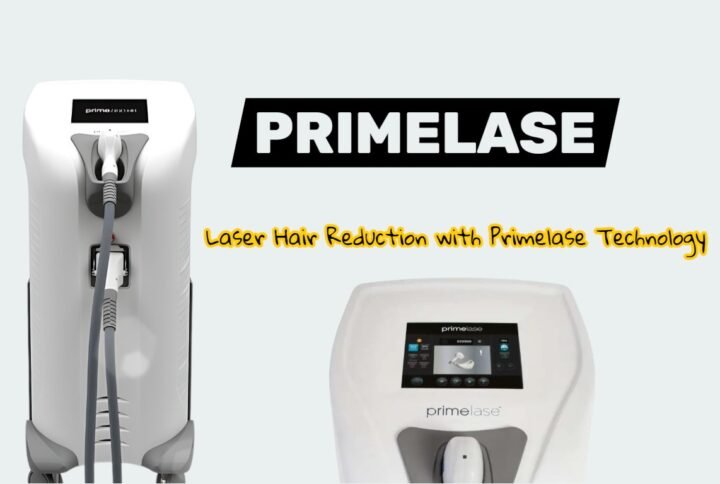
    Primelase Hair Removal is a new laser system that removes unwanted hair. It uses two types of laser light to work on all skin colors. The treatment is safe, fast, and gives great results.

    This system is different from old laser machines. It has better cooling and works faster. Most people find it comfortable during treatment.

    Primelase Hair Removal Laser hair removal technology claimed to be one of the most powerful in the world with a peak power of up to 4,800 watts.

    How Does Primelase Work?

    The Primelase Hair Removal targets dark hair roots under your skin. It heats up these roots and damages them. Once damaged, the hair roots cannot grow new hair.

    Primelase uses two laser types:

    • 755 nm laser: Works best on light to medium skin
    • 1064 nm laser: Safe for all skin colors, even dark skin

    The doctor picks the right laser type for your skin. This makes treatment safer and more effective.

    Why Choose Primelase?

    Fast Treatment

    • Large treatment spot covers more area
    • Each session takes less time
    • You need fewer visits overall

    More Comfortable

    • Advanced cooling system keeps skin cool
    • Less pain during treatment
    • Most people say it feels like a rubber band snap

    Better Results

    • Works on all skin types
    • Removes up to 90% of hair
    • Results last for years

    Safer Treatment

    • FDA approved technology
    • Real-time safety monitoring
    • Trained doctors and staff

    Treatment Areas Primelase Hair Removal

    Face Areas

    • Upper lip hair
    • Chin and jaw hair
    • Cheek hair
    • Eyebrow shaping

    Body Areas Primelase Hair Removal

    • Underarms
    • Arms (full or half)
    • Legs (full or partial)
    • Bikini area
    • Back and chest
    • Stomach area

    What to Expect

    Before Treatment

    4 weeks before:

    • Avoid sun tanning
    • Stop using tanning beds

    1-2 days before:

    • Shave the treatment area
    • Don’t wax or pluck hair

    Day of treatment:

    • Clean skin (no lotions or makeup)
    • Wear comfortable clothes

    During Treatment Primelase Hair Removal

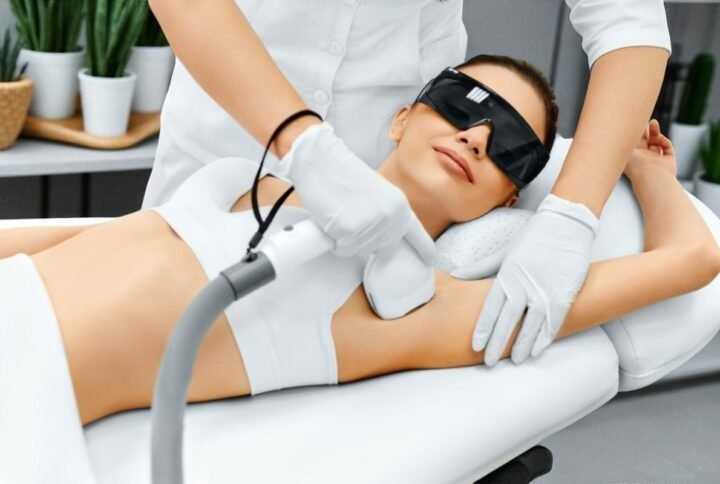
    1. You wear protective eye glasses
    2. Doctor applies cooling gel if needed
    3. Laser is applied to your skin
    4. You may feel slight warmth or tingling
    5. Treatment takes 15 minutes to 1 hour

    After Treatment

    First 24 hours:

    • Use ice packs if skin is red
    • Avoid hot showers or exercise
    • Keep treated area clean

    First week:

    • Use sunscreen every day (SPF 30+)
    • Apply gentle moisturizer
    • Don’t pluck or wax hair

    Treatment Schedule

    Most people need 6-8 sessions for best results.

    Session timing:

    • Face areas: Every 4-6 weeks
    • Body areas: Every 6-8 weeks
    • Total time: 8-12 months

    Results timeline:

    • After 1 session: 15-25% less hair
    • After 3 sessions: 40-60% less hair
    • After 6 sessions: 70-85% less hair
    • Complete treatment: Up to 90% less hair

    Is Primelase Hair Removal Right for You?

    Good Candidates

    • Adults 18 years and older
    • All skin colors
    • Dark, coarse hair works best
    • Willing to complete all sessions

    Not Suitable For

    • Pregnant or nursing women
    • People taking certain medications
    • Active skin infections
    • Recent sunburn or tan

    Safety and Side Effects

    Primelase is very safe when done by trained professionals.

    Common Side Effects (temporary)

    • Mild redness (goes away in 2-4 hours)
    • Slight swelling (rare)
    • Warm feeling on skin

    Rare Side Effects

    • Skin color changes (very rare)
    • Small burns (extremely rare with proper use)

    Cost Information

    Treatment costs vary based on:

    • Size of treatment area
    • Number of sessions needed
    • Your location
    • Clinic reputation

    Typical Price Ranges

    Small areas (upper lip, chin):

    • 6 sessions: $300-500
    • 8 sessions: $400-650

    Medium areas (underarms, bikini):

    • 6 sessions: $600-1,000
    • 8 sessions: $750-1,250

    Large areas (full legs, back):

    • 6 sessions: $1,500-2,500
    • 8 sessions: $1,800-3,000

    Money-Saving Benefits

    • No more razors or shaving cream
    • No more waxing appointments
    • Saves time every day
    • Lasts for years

    Choosing the Right Clinic

    What to Look For

    • Licensed doctors and staff
    • Clean, professional facility
    • Real Primelase equipment
    • Good patient reviews
    • Clear pricing information

    Questions to Ask

    • Is your staff trained on Primelase?
    • Can I see before/after photos?
    • What happens if I have side effects?
    • Do you offer payment plans?
    • Is there a satisfaction guarantee?

    Patient Success Stories

    Real Results

    Studies show:

    • 87% of patients get over 80% hair reduction
    • 94% of patients are happy with results
    • Less than 2% have any problems
    • Treatment is 40% faster than old lasers

    What Patients Say

    “I love my results! No more daily shaving. The treatment was much easier than I expected.” – Lisa, age 32

    “Best decision I ever made. I wish I had done this years ago.” – Mark, age 28

    “The staff was great and explained everything. I felt comfortable the whole time.” – Jennifer, age 25

    Frequently Asked Questions

    Q: Does it hurt? A: Most people say it feels like a rubber band snap. The cooling system makes it comfortable.

    Q: How long does each session take? A: Small areas take 15-30 minutes. Large areas take 1-2 hours.

    Q: When will I see results? A: You’ll notice less hair 2-3 weeks after your first session.

    Q: Can I go back to work right away? A: Yes, there’s no downtime. You can return to normal activities immediately.

    Q: What if I have sensitive skin? A: Primelase is gentle and works well on sensitive skin. Tell your doctor about any skin concerns.

    Comparing Your Options

    Primelase vs Shaving

    • Primelase: Permanent results, saves time long-term
    • Shaving: Temporary, daily hassle, cuts and irritation

    Primelase vs Waxing

    • Primelase: Less painful, permanent results
    • Waxing: Very painful, temporary results, expensive over time

    Primelase Hair Removal vs Other Lasers

    • Primelase: Works on all skin types, more comfortable, faster
    • Other lasers: Limited skin types, more painful, slower

    Getting Started

    Step 1: Free Consultation

    • Skin analysis
    • Hair assessment
    • Treatment plan
    • Cost estimate
    • Questions answered

    Step 2: First Treatment

    • Patch test on small area
    • Full treatment if no problems
    • Post-care instructions
    • Next appointment scheduled

    Step 3: Follow-Up Sessions

    • Regular appointments every 6-8 weeks
    • Progress monitoring
    • Treatment adjustments if needed
    • Maintenance plan

    Tips for Best Results

    Before Treatment

    • Stay out of the sun
    • Don’t wax or pluck hair
    • Shave 1-2 days before
    • Drink plenty of water

    During Treatment Series

    • Keep all appointments
    • Follow aftercare instructions
    • Use sunscreen daily
    • Tell your doctor about any concerns

    After Treatment Complete

    • Use sunscreen to protect results
    • Schedule yearly touch-ups if needed
    • Enjoy your smooth skin!

    The Science Behind Primelase

    How It Works

    Hair grows in cycles. The laser only works when hair is actively growing. This is why you need multiple sessions.

    The laser light is absorbed by dark pigment in hair. This creates heat that damages the hair root. White or very light hair doesn’t absorb the laser well.

    Why Two Wavelengths?

    Different wavelengths work better on different skin types:

    • Shorter wavelength: Better for light skin
    • Longer wavelength: Safer for dark skin

    Having both options means one system works for everyone.

    Long-Term Benefits

    Physical Benefits

    • Smooth, hair-free skin
    • No more ingrown hairs
    • No razor burn or cuts
    • Reduced skin irritation

    Lifestyle Benefits

    • Save time every day
    • No more emergency shaving
    • Confidence in any outfit
    • Freedom for spontaneous activities

    Economic Benefits

    • No more razor purchases
    • No more waxing appointments
    • No more hair removal products
    • Long-term money savings

    Conclusion

    Primelase hair removal offers a modern solution to unwanted hair. It’s safe, effective, and works on all skin types. The treatment is comfortable and gives lasting results.

    If you’re tired of daily shaving or painful waxing, Primelase could be right for you. The initial investment pays off with years of smooth, hair-free skin.

    Ready to Get Started?

    1. Find a certified Primelase clinic near you
    2. Schedule a free consultation
    3. Get your personalized treatment plan
    4. Start your journey to smooth skin

    Don’t wait any longer. Contact a Primelase provider today and take the first step toward permanent hair reduction.

    Final Thoughts

    Thousands of people have already discovered the benefits of Primelase. Join them in experiencing the freedom and confidence that comes with smooth, hair-free skin.

    Your new life without unwanted hair is just a phone call away.


    Important Note: This information is for educational purposes only. Always consult with a qualified medical professional before starting any treatment.

  • Acute vs Chronic Pain

    Acute vs Chronic Pain

    Acute vs Chronic Pain: Differences, Risks, and Evidence-Based Management

    Not all pain serves the same purpose. Acute vs Chronic Pain acts as a biological alarm—an immediate warning that protects you from further harm. Chronic pain, in contrast, persists beyond normal healing time, often continuing after tissues have repaired or in the absence of ongoing injury. Understanding the distinction between acute vs chronic pain helps patients set realistic expectations, clinicians tailor intervention, and caregivers provide focused support. This article explores definitions, mechanisms, risk factors for “chronification,” assessment strategies, evidence-based treatments, and practical steps to improve function and quality of life.

    What Is Acute Pain?

    Definition

    Acute vs Chronic Pain is a short-term, time-limited sensory and emotional experience tied to actual tissue damage (e.g., a cut, sprain, fracture, surgical incision) or a credible threat of damage. It usually diminishes as healing progresses—often within days to a few weeks (commonly <6 weeks; some classify 6–12 weeks as “subacute”).

    Purpose and Function

    Acute vs Chronic Pain is adaptive. It prompts rest, protection, and behavioral changes that promote healing. Without it, injuries could worsen unnoticed.

    Common Causes

    • Surgical procedures
    • Musculoskeletal injuries (sprains, strains)
    • Burns or lacerations
    • Acute infections or inflammatory episodes
    • Childbirth
    • Dental infections or fractures

    Clinical Features

    • Clear onset and often identifiable trigger
    • Location relatively well-defined
    • Intensity broadly proportionate to injury severity
    • Physical signs: swelling, warmth, limited range of motion (if inflammatory)
    • Physiological stress responses: elevated heart rate, sweating, transient blood pressure rise (in moderate to severe cases)

    What Is Chronic Pain?

    Definition

    Chronic pain is pain that persists beyond normal tissue healing time—commonly defined as ≥3 months. At this stage, the pain may no longer correlate directly with active damage. It can become a disease entity in its own right.

    Pathophysiological Mechanisms Acute vs Chronic Pain

    Chronic pain frequently involves maladaptive neuroplasticity:

    • Peripheral sensitization: heightened responsiveness of nociceptors at the injury site.
    • Central sensitization: amplification within the spinal cord and brain; ordinary signals (touch, pressure) can be perceived as painful.
    • Altered descending modulation: reduced natural inhibition and/or increased facilitation from brainstem pathways.
    • Neuroimmune and glial activation: inflammatory mediators sustain heightened reactivity.
    • Psychosocial modulation: mood disorders, stress, catastrophizing beliefs, poor sleep, and social isolation amplify perception.

    Common Chronic Pain Conditions

    • Chronic low back pain (non-specific)
    • Osteoarthritis
    • Fibromyalgia / central sensitization syndromes
    • Neuropathic pain (e.g., diabetic neuropathy, postherpetic neuralgia)
    • Migraine and chronic tension-type headache
    • Endometriosis-associated pelvic pain
    • Chronic postoperative pain (e.g., after thoracotomy or mastectomy)

    Characteristic Features

    • Fluctuating intensity (flares)
    • Disproportionate pain relative to imaging findings
    • Allodynia (non-painful stimulus becomes painful)
    • Hyperalgesia (exaggerated response to painful stimuli)
    • Sleep disturbance, fatigue, mood changes, cognitive fog
    • Functional limitation and reduced participation in daily roles

    Acute vs Chronic Pain: Core Differences

    • Duration: Acute is short-term; chronic persists ≥3 months.
    • Function: Acute is protective; chronic often maladaptive.
    • Mechanism: Acute linked to active tissue damage; chronic involves nervous system sensitization ± residual disease.
    • Clinical priority: Acute—treat cause and relieve suffering; Chronic—restore function, reduce distress, optimize self-management, modulate systems.
    • Physiological signs: Prominent in acute; often diminished or absent in chronic.
    • Treatment approach: Acute—rapid, targeted analgesia; Chronic—multimodal, biopsychosocial integration.

    Risk Factors for Transition (Chronification)

    Why do some acute pain episodes evolve into chronic pain? Contributing factors include:

    • High initial pain intensity and inadequate early pain control
    • Nerve injury components (e.g., radiculopathy, peripheral nerve trauma)
    • Prolonged immobilization or fear-avoidance behavior (“I must not move or I’ll damage it”)
    • Catastrophizing (“This pain will ruin my life”)
    • Depression, anxiety, PTSD, unresolved psychosocial stress
    • Poor sleep quality and circadian disruption
    • Repetitive biomechanical strain or ongoing inflammation
    • Socioeconomic stressors, low workplace support, compensation contexts

    Impact of Chronic Pain on Quality of Life

    Chronic pain extends far beyond physical sensation:

    • Functional decline and deconditioning
    • Reduced productivity or absenteeism (“presenteeism” where performance drops)
    • Emotional burden: elevated risk of depression/anxiety
    • Cognitive effects: impaired concentration and working memory during flares
    • Social withdrawal and relationship strain
    • Polypharmacy risks if management lacks coordination
    • Economic impact: healthcare utilization, lost earnings

    Assessment Strategies

    Acute Pain Assessment

    Identify cause, severity, and immediate risks. Use: location, quality (sharp, throbbing, burning), timing, aggravating/relieving factors. Rapidly rule out emergencies (e.g., compartment syndrome, myocardial ischemia, sepsis).

    Chronic Pain Assessment

    Adopt a biopsychosocial framework:

    • Pain history: onset, trajectory, flare triggers, variability
    • Mechanistic clues: neuropathic descriptors (burning, electric), nociceptive (aching), centralized (widespread, disproportionate)
    • Functional metrics: walking distance, sleep quality, activity tolerance
    • Psychological screening: PHQ-9 (depression), GAD-7 (anxiety), pain catastrophizing scale, fear-avoidance beliefs questionnaire
    • Sleep assessment and activity patterns (wearables can help)
    • Medication review (efficacy, adverse effects, duplication)
    • Red flags (weight loss, night sweats, new neurological deficits) prompting further diagnostics

    Management of Acute Pain

    Principles: relieve suffering, support healing, prevent complications (e.g., pneumonia from splinting shallow breaths), and reduce risk of chronification.
    Strategies:

    • Multimodal analgesia: acetaminophen + NSAIDs (when not contraindicated) reduce opioid need.
    • Regional anesthesia (nerve blocks) perioperatively.
    • Short, carefully indicated opioid therapy for severe acute pain with clear taper plan.
    • Local measures: ice/heat (phase-dependent), compression, elevation for soft tissue injury.
    • Early, graded mobilization once serious pathology is excluded—prevents stiffness and fear-based inactivity.
    • Patient education: explain healing timelines, encourage active participation.
    • Address stress and sleep early; both modulate pain thresholds.

    Management of Acute vs Chronic Pain

    Goal shift: from “eliminate pain” to “improve function, resilience, and quality of life while reducing pain to a manageable level.”

    1. Education
      Explain pain neuroscience: “Hurt does not always equal harm.” Understanding reduces catastrophizing and normalizes fluctuations.
    2. Physical Rehabilitation (H3)
    • Graded exercise therapy: start below flare threshold, progress time or load incrementally.
    • Strength and mobility work reduce mechanical stress and improve confidence.
    • Aerobic exercise modulates endogenous opioid and endocannabinoid systems.
    1. Psychological & Behavioral Therapies (H3)
    • Cognitive Behavioral Therapy (CBT): reframes unhelpful thought patterns.
    • Acceptance & Commitment Therapy (ACT): improves psychological flexibility despite ongoing symptoms.
    • Mindfulness-based stress reduction: enhances non-reactivity to pain signals.
    1. Pharmacologic Options (H3)
    • Baseline analgesics: acetaminophen, NSAIDs (dosed responsibly) for nociceptive components.
    • Neuropathic / centralized approaches: SNRIs (e.g., duloxetine), TCAs (e.g., nortriptyline), gabapentinoids (with sedation and misuse monitoring).
    • Topicals: lidocaine patches, capsaicin for localized neuropathic pain.
    • Avoid routine long-term high-dose opioids; if used, set functional endpoints, review regularly, use risk mitigation (PDMP checks, opioid agreements, taper strategy).
    • Emerging adjuncts: low-dose naltrexone (central sensitization), though evidence is still evolving.
    1. Interventional & Procedural (H3)
    • Diagnostic/therapeutic nerve blocks
    • Radiofrequency ablation (selected facet or genicular nerves)
    • Spinal cord stimulation or dorsal root ganglion stimulation for refractory neuropathic syndromes
    • Intra-articular injections (e.g., osteoarthritis)
    1. Lifestyle & Self-Management (H3)
    • Sleep hygiene: consistent schedule, light management, limit late caffeine.
    • Anti-inflammatory dietary patterns (whole foods, reduced ultra-processed items).
    • Stress regulation: breath training, biofeedback, social support.
    • Weight management for load-bearing joint pain.
    1. Integrative Modalities (H3)
      Evidence varies but may benefit selected patients: acupuncture, yoga, tai chi, Pilates, therapeutic massage.
    2. Outcome Tracking (H3)
      Monitor function (steps per day, sit-to-stand count), flare frequency, quality-of-life indices—not just numeric pain scores.

    When to Seek Medical Evaluation (Red Flags)

    Immediate assessment is crucial if pain is accompanied by:

    • Sudden chest pain with shortness of breath, sweating, or jaw/arm radiation
    • New-onset weakness, numbness, or bowel/bladder incontinence (possible cauda equina, spinal cord compromise)
    • Unexplained weight loss, fevers, night sweats
    • Progressive neurological deficits
    • Constant night pain interfering with sleep (especially with systemic symptoms)
    • History of cancer with new persistent focal pain

    Myths vs Facts

    Myth: “If it hurts, rest completely.”
    Fact: Gentle, graded movement helps recovery and prevents deconditioning.
    Myth: “A normal MRI means the pain is not real.”
    Fact: Chronic pain can persist due to sensitization irrespective of imaging.
    Myth: “Strong opioids are the main solution.”
    Fact: Multimodal, function-focused strategies outperform opioid-centric care long-term.
    Myth: “Pain flare means tissue damage.”
    Fact: In chronic states, flares may reflect sensitization, stress, or sleep deficit—often not new injury.

    FAQ

    Q1: When does pain become Acute vs Chronic Pain?
    A: Typically when it persists ≥3 months or beyond expected tissue healing.
    Q2: Can chronic pain go away completely?
    A: Many people achieve substantial reduction and functional improvement; some experience remission.
    Q3: What is neuropathic pain?
    A: Pain arising from nerve injury or dysfunction, often described as burning, electric, tingling, or with numbness.
    Q4: Does exercise worsen Acute vs Chronic Pain?
    A: Properly dosed, progressive exercise improves pain modulation and resilience. Overexertion spikes flares—gradual pacing is key.
    Q5: How does mood affect pain?
    A: Shared neural circuits integrate emotion and nociception; depression, anxiety, and stress can amplify pain signals.

    Prevention Highlights

    • Control acute pain early with multimodal strategies.
    • Educate patients about safe movement to avoid fear-based inactivity.
    • Support sleep and mental health.
    • Address ergonomic and workload issues.
    • Monitor high-risk individuals (significant acute trauma, nerve injury) proactively.

    Conclusion Acute vs Chronic Pain

    Distinguishing acute vs chronic pain empowers better choices: treat the cause early, prevent unnecessary chronification, and apply a comprehensive biopsychosocial strategy when pain persists. If persistent pain limits your daily life, seek professional evaluation to build a personalized, function-first plan.
    Download our free guide “7 Evidence-Based Steps to Reclaim Function from Chronic Pain” or subscribe to our newsletter for practical movement, sleep, and mindset strategies.

    Disclaimer

    This article provides general education and is not a substitute for individualized medical advice, diagnosis, or treatment. Always consult a qualified healthcare professional for personal concerns.

  • Does Laser Hair Removal Hurt? + Apilus Solution

    Does Laser Hair Removal Hurt? + Apilus Solution

    Laser hair removal usually feels like a tiny rubber band snap plus a split‑second warmth. Areas with dense, coarse dark hair (bikini, underarms) feel sharper; legs and arms are typically mild. The first session often feels most noticeable; later sessions ease off as hair density drops. Modern cooling + proper technique = tolerable discomfort. White, gray, very light blonde, or red hairs often respond poorly to Laser/IPL—that is where Apilus electrolysis becomes a permanent, per‑follicle complement.

    What Laser Hair Removal Actually Is

    Laser hair removal uses focused light absorbed by melanin in hair follicles. Light converts to controlled heat that damages structures of follicles in the active (anagen) phase, slowing or stopping regrowth. Because hair grows in cycles, a series of scheduled sessions is required.

    Why Not All Hairs Disappear with Laser/IPL

    • Hair Color: White, gray, very light blonde, pale red hairs have little melanin → weak response.
    • Growth Phase: Only follicles in anagen at the session are optimally targeted.
    • Hormonal Shifts: Conditions like PCOS or hormonal changes can recruit new follicles.
    • Fine Residual Hairs: Miniaturized or very fine hairs may not hold enough pigment for effective (safe) energy absorption.

    What Does It Feel Like? (Analogies)

    • A tiny, fast rubber band snap.
    • A brief, prickly heat.
    • Often followed or paired with cooling (sapphire contact tip, cryogen spray, cold air). After a session: a mild sunburn sensation for a few hours is normal.

    Sensation by Area

    • Underarms & bikini: usually the sharpest (coarse, dense hair).
    • Upper lip / chin: crisp snap but very quick to finish.
    • Legs & arms: mild to moderate.
    • Back/chest: moderate, varies with density.

    Indicative (Subjective) Pain Scale

    • Forearms: 1–3 / 10
    • Lower legs: 2–4 / 10
    • Back/chest: 3–5 / 10
    • Upper lip: 3–5 / 10
    • Underarms: 4–6 / 10
    • Bikini / Brazilian: 5–7 / 10 Note: These are illustrative only—individual tolerance differs.

    Factors Influencing Sensation

    • Hair thickness & color (coarse/dark absorbs more heat initially).
    • Skin–hair contrast (light skin + dark hair = efficient, often more comfortable).
    • Hormonal timing (some feel more sensitive pre‑menstruation).
    • Hydration, rest, and anxiety.
    • Technology & cooling quality.
    • Experience level (later sessions generally milder).

    Laser/IPL Technologies and Comfort

    • Alexandrite (755 nm): Effective for fair–medium skin; quick “snap.”
    • Diode (800–810 nm): Versatile; in‑motion modes can feel gentler.
    • Nd:YAG (1064 nm): Safer for deeper skin tones; sensation can feel “deeper.”
    • IPL (e.g., Silhouet-Tone system): Broad spectrum + filters; multi‑functional (hair reduction + certain skin rejuvenation); often needs more sessions than a dedicated laser but adds flexibility. Cooling (sapphire contact, cryogen spray, chilled air) reduces sensation and helps epidermal protection.

    Ways to Reduce Discomfort Before the Session

    • Shave closely 12–24 hours prior (no waxing, epilating, or tweezing 3–4 weeks before).
    • Avoid tanning / self‑tanner 2–4 weeks.
    • Pause strong topical retinoids & potent AHA/BHA (face) 3–5 days.
    • Stay hydrated, sleep adequately.
    • Optional topical anesthetic (lidocaine) as advised—avoid large-area occlusion; clean off pre‑treatment.

    During the Session

    • Request a test spot for proper fluence & pulse width.
    • Controlled breathing (inhale 4 sec, exhale 6–7 sec).
    • Distraction (music, podcast, stress ball).
    • Communicate if pulses feel excessively hot → operator can adjust energy or enhance cooling.

    After the Session

    • Gentle cool compress 10–15 min (not bare ice).
    • Apply pure aloe vera / soothing gel.
    • Avoid sauna, very hot showers, heavy workouts for 24 hours.
    • Broad‑spectrum SPF 30+ on exposed areas.
    • Do not pick or wax between sessions (shave only).

    Electrolysis (Apilus) as a Strategic Complement

    Electrolysis inserts a fine probe into the follicle and applies current (Apilus uses very high frequency, ultra‑rapid pulses) to destroy growth cells. Unlike Laser/IPL dependent on melanin, electrolysis works on ALL hair colors (including white/gray/very light) and all skin types. Apilus USP (adapt to your specific model):

    • High frequency (e.g., 27.12 MHz) → more localized heat, shorter timing, improved comfort vs conventional electrolysis.
    • Advanced modes (e.g., PicoFlash, Synchro, MultiPlex*) for varied follicle depth/diameter.
    • High precision: small areas (upper lip, hormonal chin, eyebrow shaping, areola, bikini detailing).
    • Finishing residual hairs post Laser/IPL series.
    • Solves white/gray hairs unaffected by melanin‑based devices. Note: Electrolysis is internationally recognized as permanent hair removal per treated follicle when performed correctly; new follicles can still emerge due to hormonal/genetic factors.

    Combination Strategy: Laser/IPL + Apilus for Complete Results “Debulking + detailing” approach:

    1. Bulk Reduction Phase: Use Laser Hair Removal or Silhouet-Tone IPL to reduce the majority of coarse dark hair (first 4–6 sessions).
    2. Residual Assessment: Identify finer, lighter, or sporadic hairs.
    3. Apilus Finishing Phase: Target remaining follicles individually until uniform.
    4. Maintenance: Occasional Apilus touch‑ups if new hormonal hairs appear (e.g., with PCOS or aging). Advantages:
    • Total timeline shorter than full electrolysis on a large area.
    • Potentially more cost‑efficient for final outcome.
    • Faster visible improvement (Laser/IPL) + permanent per‑follicle completion (Apilus).

    When to Start Directly with Apilus (Skipping Laser/IPL)

    • Very small areas (a few chin hairs / eyebrow shaping).
    • White, gray, very light blonde hairs.
    • Clients intolerant to Laser/IPL or with contraindications.
    • Desire for extremely precise shaping (eyebrows).
    • Distorted/ingrown stubborn hairs.

    Normal Responses vs Warning Signs

    Normal (hours–48 hrs): mild redness, perifollicular edema (tiny raised bumps), warmth. Still acceptable briefly: slight dryness, mild sensitivity. Seek professional advice if:

    • Blisters, thick crusting.
    • Persistent sharp pain >48 hrs.
    • Marked pigment change (dark or pale) spreading.
    • Infection signs: pus, expanding heat, unpleasant odor. If present: pause irritating topicals and consult a professional.
    • Gentle cleanser; avoid harsh physical scrubs a few days.
    • Lightweight, non‑comedogenic moisturizer.
    • Broad‑spectrum SPF 30+ (reapply every 2–3 hrs outdoors).
    • Do not force shed hairs (they release 7–21 days post laser).
    • Avoid self‑tanners early post-treatment (irritation/pigment risk).

    Common Myths About Laser Hair Removal

    Myth: “If it doesn’t hurt, it’s not working.” Reality: Effectiveness = correct parameters + suitability, not raw pain. Myth: “One session makes you permanently smooth.” Reality: Multiple sessions needed due to growth cycles. Myth: “Laser removes every hair color.” Reality: White/gray/very light hairs require electrolysis (Apilus). Myth: “Waxing is always gentler.” Many find waxing more intense in sensitive zones (large area pulled at once). Myth: “All devices are the same.” Wavelength, pulse structure, and cooling matter greatly.

    Professional Laser Hair Removal vs Home IPL vs Electrolysis

    • Professional Laser: Focused, fast reduction of dark hair; quick “snap.”
    • IPL (e.g., Silhouet-Tone): Multi‑functional (hair + certain rejuvenation), broad coverage; often more sessions.
    • Home Laser/IPL: Lower energy; slower, often milder sensation.
    • Apilus Electrolysis: Permanent per follicle, any hair color; ideal for finishing & resistant hairs; time‑intensive for very large areas. Combination: Laser/IPL first → Apilus for residuals = efficiency + thoroughness.

    FAQ (Frequently Asked Questions)

    Q: Why do I still have hair after 6 laser sessions?
    A: Growth cycles, lighter pigment, or newly activated follicles. Apilus can precisely finish residuals. Q: Is Apilus electrolysis truly permanent?
    A: Per treated follicle, yes (recognized internationally). New follicles can appear due to hormones/genetics, so minor touch‑ups may be needed. Q: Where should I start?
    A: Large, dark‑haired areas → Laser/IPL first. Few white/light hairs → Apilus directly. Q: Does electrolysis hurt more than laser?
    A: With high frequency Apilus + technique (and optional topical anesthetic), many describe a very brief localized prick per follicle. Q: How many Apilus sessions?
    A: Depends on total follicles and cycles; scheduled visits (weekly/monthly) until density drops significantly. Q: When do hairs shed after laser?
    A: 7–21 days; they appear as stubble pushing out, then release with gentle friction. Q: Can I wax between sessions?
    A: No. Only shave; you need the follicle intact for the next session. Q: Persistent hormonal chin hair—solution?
    A: Manage underlying hormonal factors (medical consult if indicated) + Apilus for persistent follicles.

    Example CTAs You Can Insert

    • Have white or stubborn residual hairs? Book a free 10‑minute follicle analysis now.
    • Download the free guide: Hybrid Laser/IPL + Apilus Strategy (PDF).

    Conclusion

    Laser hair removal produces a fleeting rubber band snap sensation—typically mild to moderate—and often eases with successive sessions. For the most polished outcome, especially where very light, white, or fine residual hairs remain, Apilus electrolysis provides permanent per‑follicle precision. A combination approach—Laser/IPL (e.g., Silhouet-Tone) for bulk reduction, then Apilus for finishing—delivers time efficiency plus thorough, uniform results. Education, realistic expectations, and disciplined aftercare = comfort and optimal outcomes.

    Disclaimer

    This information is general education, not a substitute for personalized medical advice. Individual results vary (hormones, growth cycles, skin condition, schedule adherence). “Permanent” in electrolysis refers to destruction of properly treated follicles; new follicles can still emerge due to hormonal or genetic factors. Laser/IPL typically achieves long‑term hair reduction, not guaranteed elimination of every hair. Consult a trained professional before starting.

  • Burnout Syndrome

    Burnout Syndrome

    Published by TheraMedicare | August 19, 2025

    Introduction

    Have you ever felt so exhausted that you lost motivation to work, even after taking a vacation? Or felt like a “robot” just going through the motions without any enthusiasm? If yes, you might be experiencing burnout syndrome.

    According to a recent survey conducted by the Indonesian Mental Health Association (2024), 70% of workers experience burnout symptoms, with Jakarta and Surabaya being the cities with the highest burnout rates.

    What is Burnout Syndrome?

    Burnout is not just ordinary “tiredness.” According to the World Health Organization (WHO), burnout is a syndrome resulting from chronic workplace stress that has not been successfully managed.

    3 Main Dimensions of Burnout:

    1. Emotional Exhaustion – Feeling mentally and physically drained
    2. Depersonalization – Becoming cynical toward work and colleagues
    3. Reduced Personal Achievement – Feeling incompetent and unproductive

    Why is Burnout syndrome Increasing in Indonesia?

    1. “Overtime is Dedication” Work Culture

    Many companies in Indonesia still consider overtime as a sign of employee dedication, when in fact this is counterproductive.

    2. Unhealthy Work-From-Home

    The pandemic blurred the boundaries between home and office. Many workers actually work longer hours from home.

    3. Economic Pressure

    Inflation and rising living costs force many people to take side jobs, adding to stress levels.

    4. Lack of Support System

    There is still significant stigma around mental health in Indonesia, making people reluctant to seek help.

    Signs You’re Experiencing Burnout

    Physical Symptoms:

    • ✅ Frequent headaches or migraines
    • ✅ Sleep disorders (insomnia or oversleeping)
    • ✅ Getting sick easily (decreased immunity)
    • ✅ Changes in appetite

    Emotional Symptoms:

    • ✅ Feeling empty and unenthusiastic
    • ✅ Easily irritated or angry
    • ✅ Feeling like a failure and worthless
    • ✅ Loss of motivation

    Behavioral Symptoms:

    • ✅ Excessive procrastination
    • ✅ Isolating yourself from colleagues
    • ✅ Decreased work performance
    • ✅ Increased alcohol/caffeine consumption

    Often Overlooked Impacts of Burnout

    On Individuals:

    • 3x increased risk of depression
    • Cardiovascular disorders
    • Decreased immune system
    • Disrupted personal relationships

    On Companies:

    • High turnover rates
    • Up to 40% decrease in productivity
    • Increased absenteeism
    • Rising employee healthcare costs

    Strategies to Overcome Burnout: A Holistic Approach

    1. Effective Self-Care

    5-4-3-2-1 Grounding Technique:

    • 5 things you can see
    • 4 things you can touch
    • 3 things you can hear
    • 2 things you can smell
    • 1 thing you can taste

    Daily Anti-Burnout Routine:

    • Wake up 15 minutes earlier for meditation
    • Take 5-minute breaks every hour of work
    • Light exercise for 20 minutes/day
    • Digital detox 1 hour before bedtime

    2. Setting Boundaries at Work

    • Communicate time limits with supervisors
    • Delegate tasks that can be delegated
    • Say “no” to additional projects when overloaded
    • Use vacation time optimally

    3. Professional Therapy

    If burnout is severe, don’t hesitate to seek professional help:

    Cognitive Behavioral Therapy (CBT):

    • Change negative thought patterns
    • Develop coping mechanisms
    • Increase self-awareness

    Mindfulness-Based Stress Reduction (MBSR):

    • Applied meditation techniques
    • Reduce stress reactivity
    • Improve focus and concentration

    When to Seek Professional Help?

    Immediately consult with a psychologist or therapist if:

    • ❌ Symptoms persist for more than 2 weeks
    • ❌ Thoughts of self-harm begin to emerge
    • ❌ Unable to perform daily activities
    • ❌ Using alcohol/drugs to cope with stress
    • ❌ Relationships with family/friends are affected

    At TheraMedicare, we understand that burnout often manifests in physical symptoms such as chronic headaches, muscle tension, and sleep disorders. Our advanced medical therapy equipment can help address these physical manifestations:

    K-LASER CUBE 4 15W Medical Therapy Laser

    • For tension headaches and muscle pain
    • Non-invasive treatment for stress-related muscle tension
    • Promotes cellular regeneration and reduces inflammation
    • FDA-cleared technology with proven clinical results

    LaserTRX Cold Laser Therapy

    • For chronic pain management
    • Helps reduce stress-induced physical pain
    • Accelerates healing of stress-related injuries
    • Portable and user-friendly for clinical settings

    Neuro Pain Control NPC3 Scrambler Therapy

    • For chronic pain and neuropathy
    • Advanced pain management for stress-related conditions
    • Drug-free alternative to pain medications
    • Particularly effective for chronic pain syndromes

    Tips to Prevent Future Burnout

    1. Recognize Early Warning Signs

    Keep a daily mood journal to detect stress patterns

    2. Build a Support Network

    Have at least 3 people you can talk to when stressed

    3. Invest in Skill Development

    Improve capabilities to reduce work burden

    4. Regular Mental Health Check-ups

    Just like medical check-ups, conduct routine mental health evaluations

    Conclusion

    Burnout syndrome is not a sign of weakness, but a signal that your body and mind need more attention. In this fast-paced era, maintaining mental health is as important as physical health.

    Remember, asking for help is a sign of strength, not weakness. If you or someone close to you is experiencing burnout symptoms, don’t delay seeking professional help.

    Because your mental health is our priority.


    References:

    • Indonesian Mental Health Association Survey (2024)
    • World Health Organization – Burnout Guidelines
    • Journal of Occupational Health Psychology (2024)

  • 7 Healthy Habits

    7 Healthy Habits

    7 Healthy Habits As we age, maintaining our health becomes increasingly important for enjoying a fulfilling and independent life. Whether you’re approaching 40, already in your 50s, or embracing your 60s and beyond, it’s never too late to adopt healthy habits that can significantly improve your quality of life. Research consistently shows that lifestyle choices have a profound impact on how we age, and the right habits can help you feel younger, stronger, and more vibrant regardless of your chronological age.

    The golden years don’t have to be about decline and limitation. Instead, they can be a time of renewed energy, wisdom, and joy when supported by the right health practices. This comprehensive guide will explore seven evidence-based healthy habits that can transform your life after 40, helping you maintain independence, vitality, and happiness for years to come.

    Understanding 7 Healthy Habits Aging: Why These Habits Matter

    Before diving into specific habits, it’s crucial to understand what healthy aging means. Healthy aging isn’t about trying to look or feel 20 again; it’s about optimizing your physical, mental, and emotional well-being to live your best life at every stage. As we age, our bodies naturally undergo changes, but many of the negative effects we associate with aging are actually preventable or manageable through lifestyle choices.

    The World 7 Healthy Habits Organization defines healthy aging as “the process of developing and maintaining the functional ability that enables well-being in older age.” This functional ability includes having the capabilities to meet basic needs, learn and make decisions, be mobile, build and maintain relationships, and contribute to society.

    1. Embrace Regular, Age-Appropriate Exercise

    Why Exercise Matters More After 40

    Exercise is perhaps the most powerful anti-aging tool available to us. After age 30, we naturally lose 3-8% of our muscle mass per decade, and this loss accelerates after 40. Regular physical activity can slow, stop, or even reverse many age-related changes in our bodies.

    The Four Pillars of Age-Appropriate Fitness

    Cardiovascular Exercise Aim for at least 150 minutes of moderate-intensity aerobic activity per week, as recommended by the American Heart Association. This can include:

    • Brisk walking (the most accessible option for most people)
    • Swimming (excellent for joint health)
    • Cycling (low-impact and enjoyable)
    • Dancing (combines cardio with social interaction)
    • Low-impact aerobics classes

    Strength Training Resistance training becomes crucial after 40 to combat muscle loss and maintain bone density. Include strength training exercises 2-3 times per week:

    • Bodyweight exercises (push-ups, squats, lunges)
    • Resistance bands workouts
    • Light weights or dumbbells
    • Functional movements that mimic daily activities

    Flexibility and Mobility Maintaining range of motion becomes increasingly important:

    • Daily stretching routines
    • Tai Chi for balance and flexibility
    • Regular mobility exercises

    Balance Training Falls are a leading cause of injury in older adults, making balance training essential:

    • Single-leg stands
    • Heel-to-toe walking
    • Balance board exercises
    • Yoga poses that challenge stability

    Getting Started Safely Always consult with your healthcare provider before beginning a new exercise program, especially if you have existing health conditions. Start slowly and gradually increase intensity and duration. Consider working with a certified trainer who has experience with older adults.

    2. Optimize Your Nutrition for Healthy Aging

    The Foundation of Healthy Eating After 40

    As we age, our nutritional needs change. Metabolism typically slows down, requiring fewer calories but more nutrient-dense foods. The quality of what we eat becomes more important than ever for maintaining energy, supporting immune function, and preventing chronic diseases.

    Key Nutritional Strategies

    Prioritize Protein Adequate protein intake becomes crucial for maintaining muscle mass:

    • Aim for 1.0-1.2 grams of protein per kilogram of body weight
    • Include protein at every meal
    • Choose high-quality sources: lean meats, fish, eggs, legumes, dairy, nuts

    Embrace Anti-Inflammatory Foods Chronic inflammation contributes to many age-related diseases:

    • Fatty fish rich in omega-3s (salmon, mackerel, sardines)
    • Colorful fruits and vegetables
    • Nuts and seeds
    • Olive oil and avocados
    • Whole grains

    Support Bone Health Bone density naturally decreases with age:

    • Calcium-rich foods (dairy, leafy greens, fortified foods)
    • Vitamin D (fatty fish, fortified foods, supplements if needed)
    • Magnesium (nuts, seeds, whole grains)
    • Vitamin K (leafy greens)

    Stay Hydrated Older adults are at higher risk for dehydration:

    • Aim for 8-10 glasses of water daily
    • Include water-rich foods (fruits, vegetables, soups)
    • Limit alcohol and caffeine
    • Monitor urine color as a hydration indicator

    Foods to Limit

    • Processed and ultra-processed foods
    • Excessive sugar and refined carbohydrates
    • High sodium foods
    • Trans fats and excessive saturated fats

    3. Prioritize Quality Sleep

    The Sleep-Health Connection

    Quality sleep becomes increasingly important as we age, yet many older adults struggle with sleep issues. Good sleep is essential for physical recovery, cognitive function, immune system health, and emotional well-being.

    Common Sleep Changes with Age

    • Earlier bedtime and wake time
    • More frequent nighttime awakenings
    • Lighter sleep overall
    • Changes in sleep architecture

    Strategies for Better Sleep

    Create a Sleep-Conducive Environment

    • Keep bedroom cool (65-68°F)
    • Ensure complete darkness with blackout curtains
    • Minimize noise or use white noise
    • Invest in a comfortable mattress and pillows

    Establish a Consistent Sleep Schedule

    • Go to bed and wake up at the same time daily
    • Maintain schedule even on weekends
    • Allow 7-9 hours for sleep

    Develop a Relaxing Bedtime Routine

    • Begin winding down 1-2 hours before bed
    • Avoid screens or use blue light filters
    • Try relaxation techniques (reading, gentle stretching, meditation)
    • Take a warm bath or shower

    Address Sleep Disruptors

    • Limit caffeine after 2 PM
    • Avoid large meals close to bedtime
    • Manage medications that may affect sleep
    • Address underlying health conditions

    When to Seek Help Consult a healthcare provider if you experience:

    • Chronic insomnia
    • Loud snoring or breathing interruptions
    • Excessive daytime fatigue
    • Restless leg syndrome

    4. Master Stress Management

    Understanding Stress and Aging

    Chronic stress accelerates aging at the cellular level and increases the risk of numerous health problems. Learning to manage stress effectively is crucial for healthy aging and overall quality of life.

    The Impact of Chronic Stress

    • Weakened immune system
    • Increased inflammation
    • Higher risk of cardiovascular disease
    • Cognitive decline
    • Mental health issues

    Effective Stress Management Techniques

    Mindfulness and Meditation

    • Start with just 5-10 minutes daily
    • Use guided meditation apps
    • Practice mindful breathing throughout the day
    • Try body scan meditations

    Physical Stress Relief

    • Regular exercise (as discussed above)
    • Progressive muscle relaxation
    • Massage therapy
    • Gentle yoga or stretching

    Cognitive Strategies

    • Practice gratitude daily
    • Challenge negative thought patterns
    • Set realistic expectations
    • Learn to say “no” to unnecessary commitments

    Social Support

    • Maintain strong relationships
    • Join support groups
    • Volunteer in your community
    • Seek professional counseling when needed

    Time Management

    • Prioritize important tasks
    • Break large projects into smaller steps
    • Delegate when possible
    • Build buffer time into your schedule

    5. Maintain Mental and Social Health

    The Importance of Cognitive and Social Wellness

    Mental and social health are just as important as physical health for successful aging. Staying mentally sharp and socially connected can prevent depression, cognitive decline, and isolation.

    Strategies for Mental Wellness

    Keep Learning

    • Take classes at community colleges or senior centers
    • Learn new skills or hobbies
    • Read regularly and diversely
    • Engage in puzzles and brain games

    Stay Mentally Active

    • Challenge yourself with new experiences
    • Practice memory techniques
    • Engage in creative activities
    • Play strategic games

    Social Connection Strategies

    Maintain Existing Relationships

    • Schedule regular contact with family and friends
    • Be proactive in reaching out
    • Share experiences and feelings openly
    • Offer support to others

    Build New Connections

    • Join clubs or groups based on interests
    • Volunteer for causes you care about
    • Participate in community activities
    • Consider intergenerational programs

    Technology for Connection

    • Learn to use video calling platforms
    • Join online communities
    • Use social media mindfully
    • Take technology classes if needed

    6. Stay Current with Preventive Healthcare

    The Importance of Preventive Care

    Regular healthcare becomes increasingly important with age. Preventive care can catch problems early when they’re most treatable and help you maintain optimal health.

    Essential Health Screenings by Age

    Ages 40-49

    • Annual physical exam
    • Blood pressure monitoring
    • Cholesterol screening every 5 years
    • Diabetes screening every 3 years
    • Eye exam every 2-4 years
    • Mammogram (women, starting at 40-50)
    • Pap smear every 3 years (women)

    Ages 50-64

    • All above screenings continue
    • Colonoscopy every 10 years (starting at 50)
    • Bone density scan (women at menopause)
    • Hearing test every 3 years

    Ages 65+

    • All previous screenings continue
    • Annual eye exams
    • Annual hearing tests
    • Bone density scan every 2 years
    • Skin cancer screening annually

    Vaccinations for Older Adults

    • Annual flu vaccine
    • Pneumococcal vaccines
    • Shingles vaccine (after age 50)
    • Tdap booster every 10 years
    • COVID-19 vaccines as recommended

    Building a Healthcare Team

    • Primary care physician
    • Specialists as needed
    • Pharmacist for medication management
    • Mental health professional
    • Eye care professional
    • Dental care team

    7. Protect and Enhance Brain Health

    Understanding Brain Health and Aging

    While some cognitive changes are normal with aging, significant cognitive decline is not inevitable. Many strategies can help maintain and even improve brain function as we age.

    The Aging Brain: What’s Normal

    • Slight slowing of processing speed
    • Occasional difficulty finding words
    • Taking longer to learn new information
    • Mild forgetfulness

    Brain-Protective Strategies

    Mental Stimulation

    • Learn new languages or skills
    • Play musical instruments
    • Engage in complex puzzles
    • Read challenging material
    • Write or journal regularly

    Physical Exercise for the Brain

    • Aerobic exercise increases brain-derived neurotrophic factor (BDNF)
    • Resistance training improves executive function
    • Balance training enhances cognitive flexibility
    • Yoga combines physical and mental benefits

    Brain-7 Healthy Habits Nutrition

    • Mediterranean diet patterns
    • Omega-3 fatty acids from fish
    • Antioxidant-rich berries
    • Leafy green vegetables
    • Nuts and seeds
    • Limit processed foods and excess sugar

    Social Engagement

    • Maintain diverse social networks
    • Engage in meaningful conversations
    • Participate in group activities
    • Volunteer in your community

    Quality Sleep for Brain Health

    • Sleep helps clear brain toxins
    • Aim for 7-9 hours nightly
    • Address sleep disorders promptly
    • Maintain consistent sleep schedule

    Implementing These 7 Healthy Habits: A Practical Approach

    Start Small and Build Gradually

    Trying to change everything at once often leads to failure. Instead:

    • Choose 1-2 habits to focus on initially
    • Set specific, measurable goals
    • Track your progress
    • Celebrate small victories

    Create Systems, Not Just Goals 7 Healthy Habits

    Rather than setting vague goals like “exercise more,” create specific systems:

    • “I will walk for 30 minutes every morning after breakfast”
    • “I will do strength training on Mondays, Wednesdays, and Fridays at 10 AM”
    • “I will practice meditation for 10 minutes before bed”

    Find Your Motivation

    Connect each habit to your deeper values and goals:

    • Staying healthy to enjoy time with grandchildren
    • Maintaining independence as you age
    • Setting a positive example for family
    • Pursuing lifelong dreams and interests

    Build Support Systems 7 Healthy Habits

    • Find workout partners or walking groups
    • Join cooking classes for healthy eating
    • Connect with others who share your health goals
    • Consider working with healthcare professionals

    The Long-Term Benefits: What to Expect

    Physical Benefits

    • Increased energy and vitality
    • Better balance and reduced fall risk
    • Stronger bones and muscles
    • Improved cardiovascular health
    • Better immune function
    • Reduced risk of chronic diseases

    Mental and Emotional Benefits

    • Improved mood and reduced depression
    • Better cognitive function
    • Increased confidence and self-esteem
    • Greater sense of purpose and fulfillment
    • Enhanced quality of life

    Social Benefits

    • Stronger relationships
    • Increased social connections
    • Greater community involvement
    • Enhanced sense of belonging

    Your Journey to 7 Healthy Habits Aging Starts Today

    The journey to 7 Healthy Habits aging is not about perfection; it’s about progress. Every positive change you make, no matter how small, contributes to your overall well-being and quality of life. The seven habits outlined in this guide—regular exercise, optimal nutrition, quality sleep, stress management, mental and social wellness, preventive healthcare, and brain health—work synergistically to support healthy aging.

    Remember that it’s never too late to start. Whether you’re 40, 50, 60, or beyond, your body and mind have remarkable capacity for positive change. The key is to start where you are, use what you have, and do what you can. Be patient with yourself, stay consistent, and celebrate your progress along the way.

    Your future self will thank you for the healthy choices you make today. By implementing these seven habits, you’re not just adding years to your life—you’re adding life to your years. Start your journey to healthier aging today, and discover the vibrant, fulfilling life that awaits you in the years ahead.

    Take the first step today. Choose one habit that resonates most with you, make a specific plan for implementing it, and begin your transformation toward healthier, happier aging. Your best years can still be ahead of you.
  • Physiotherapy Equipment: Can It Really Replace Professional Therapy?

    Physiotherapy Equipment: Can It Really Replace Professional Therapy?

    Introduction

    Theramedicare.com – In today’s fast-paced world, the demand for convenient healthcare solutions has led to a surge in home physiotherapy equipment. With the global physiotherapy equipment market projected to reach $3.2 billion by 2027, more people are turning to at-home solutions for their rehabilitation and pain management needs. But the critical question remains: can home physiotherapy equipment truly replace professional therapy?

    This comprehensive guide explores the effectiveness, benefits, limitations, and proper usage of home physiotherapy devices, helping you make informed decisions about your health and recovery journey.

    Understanding Home Physiotherapy Equipment

    What is Home Physiotherapy Equipment?

    Home physiotherapy equipment encompasses a wide range of devices designed to provide therapeutic benefits in the comfort of your own home. These tools aim to replicate some aspects of professional physiotherapy treatments, offering pain relief, muscle stimulation, improved circulation, and enhanced mobility.

    The Evolution of Home Healthcare Technology

    The advancement in medical technology has made sophisticated physiotherapy equipment more accessible and affordable for home use. From simple heat pads to complex electrical stimulation devices, the market now offers solutions for various conditions and treatment needs.

    Types of Home Physiotherapy Equipment

    1. Electrical Stimulation Devices

    TENS Units (Transcutaneous Electrical Nerve Stimulation)

    TENS units are among the most popular home physiotherapy devices, designed to provide pain relief through electrical impulses that interfere with pain signals sent to the brain.

    Benefits:

    • Effective for chronic pain management
    • Non-invasive and drug-free pain relief
    • Portable and easy to use
    • Suitable for various conditions including arthritis, back pain, and fibromyalgia

    Limitations:

    • Not suitable for all types of pain
    • Requires proper electrode placement
    • May not be effective for everyone

    EMS Units (Electrical Muscle Stimulation)

    EMS devices stimulate muscle contractions to help with muscle strengthening, recovery, and rehabilitation.

    Applications:

    • Muscle strengthening after injury
    • Prevention of muscle atrophy
    • Enhanced athletic performance
    • Post-workout recovery

    2. Heat and Cold Therapy Equipment

    Heating Pads and Infrared Devices

    Heat therapy promotes blood circulation, reduces muscle stiffness, and provides pain relief for various conditions.

    Types Available:

    • Electric heating pads
    • Infrared heating lamps
    • Heated wraps and belts
    • Paraffin wax baths

    Cold Therapy Equipment

    Cold therapy helps reduce inflammation, numb pain, and control swelling.

    Options Include:

    • Ice packs and gel packs
    • Cold therapy machines
    • Cryotherapy devices
    • Compression cold wraps

    3. Massage and Vibration Therapy

    Percussion Massage Guns

    These devices have gained popularity among athletes and fitness enthusiasts for muscle recovery and pain relief.

    Benefits:

    • Deep tissue massage
    • Improved blood circulation
    • Reduced muscle tension
    • Enhanced recovery time

    Traditional Massage Equipment

    • Foam rollers
    • Massage balls
    • Vibrating massagers
    • Shiatsu massage cushions

    4. Exercise and Rehabilitation Equipment

    Resistance Training Tools

    • Resistance bands and tubes
    • Suspension trainers
    • Cable systems
    • Adjustable weights

    Balance and Stability Equipment

    • Balance boards and pads
    • Stability balls
    • BOSU balls
    • Wobble cushions

    Stretching and Flexibility Aids

    • Yoga blocks and straps
    • Stretching machines
    • Inversion tables
    • Pilates equipment

    Benefits of Home Physiotherapy Equipment

    1. Convenience and Accessibility

    24/7 Availability: Unlike professional clinics with limited hours, home equipment is available whenever you need it, allowing for consistent treatment schedules.

    No Travel Required: Eliminates the need for transportation, saving time and reducing barriers to treatment, especially for those with mobility issues.

    2. Cost-Effectiveness

    Long-term Savings: While the initial investment may seem significant, home equipment can provide substantial savings compared to ongoing professional therapy sessions.

    Insurance Considerations: Many insurance plans have limited coverage for physiotherapy sessions, making home equipment a more economical option for long-term treatment.

    3. Privacy and Comfort

    Personal Environment: Treatment in familiar surroundings can be more comfortable and less intimidating than clinical settings.

    Flexible Scheduling: Allows for treatment integration into daily routines without disrupting work or family commitments.

    4. Consistent Treatment

    Regular Use: Easy access encourages more frequent and consistent treatment, which can lead to better outcomes.

    Maintenance Therapy: Ideal for maintaining progress achieved through professional therapy.

    Limitations and Risks of Home Equipment

    1. Lack of Professional Assessment

    Misdiagnosis Risk: Without proper evaluation, underlying conditions may be missed or misunderstood, leading to inappropriate treatment.

    Incorrect Usage: Improper technique or settings can worsen conditions or cause new injuries.

    2. Limited Scope of Treatment

    Complex Conditions: Serious injuries, neurological conditions, or post-surgical rehabilitation often require specialized professional intervention.

    Technology Limitations: Home devices typically have less power and fewer features compared to professional-grade equipment.

    3. Safety Concerns

    Contraindications: Certain medical conditions may make some treatments unsafe without professional supervision.

    Overuse Risk: Easy access may lead to overtreatment, potentially causing harm.

    4. Lack of Progress Monitoring

    No Professional Oversight: Progress isn’t monitored by trained professionals who can adjust treatment plans as needed.

    Plateau Risk: Without guidance, improvement may stagnate or regress.

    When Home Equipment is Most Effective

    Suitable Conditions for Home Treatment

    Chronic Pain Management

    • Arthritis pain
    • Lower back pain
    • Muscle tension
    • Fibromyalgia symptoms

    Post-Exercise Recovery

    • Muscle soreness
    • Minor strains
    • Athletic recovery
    • Flexibility maintenance

    Maintenance Therapy

    • Following professional treatment
    • Preventing condition recurrence
    • Ongoing wellness programs

    Conditions Requiring Professional Intervention

    Acute Injuries

    • Fresh sprains or strains
    • Post-surgical rehabilitation
    • Fracture recovery
    • Severe pain of unknown origin

    Complex Medical Conditions

    • Neurological disorders
    • Spinal cord injuries
    • Stroke rehabilitation
    • Multiple sclerosis management

    Progressive Conditions

    • Conditions that worsen over time
    • New or changing symptoms
    • Failed home treatment attempts

    Choosing the Right Home Physiotherapy Equipment

    Assessment Factors

    1. Condition-Specific Needs

    Research equipment specifically designed for your condition. Different devices target different problems, so understanding your specific needs is crucial.

    2. Quality and Certification

    Look for FDA-approved or CE-marked devices that meet safety standards. Read reviews and seek recommendations from healthcare professionals.

    3. Ease of Use

    Consider your technical comfort level and physical limitations when selecting equipment. Complex devices may require training or assistance.

    4. Budget Considerations

    Balance cost with quality and features. Remember that cheaper options may lack effectiveness or durability.

    For Pain Management

    • TENS units for nerve pain
    • Heat therapy for muscle pain
    • Cold therapy for inflammation

    For Muscle Recovery

    • Percussion massage guns
    • Compression devices
    • EMS units for muscle stimulation

    For Rehabilitation

    • Resistance bands for strength training
    • Balance equipment for stability
    • Stretching aids for flexibility

    Safe Usage Guidelines

    Before Starting Treatment

    1. Professional Consultation

    Always consult with a healthcare provider or physiotherapist before beginning any home treatment program.

    2. Proper Diagnosis

    Ensure you have a clear understanding of your condition and appropriate treatment approaches.

    3. Equipment Training

    Learn proper usage techniques, either through professional instruction or comprehensive user manuals.

    During Treatment

    1. Follow Instructions

    Adhere strictly to manufacturer guidelines and professional recommendations for duration, intensity, and frequency.

    2. Monitor Response

    Pay attention to your body’s response and discontinue use if pain increases or new symptoms develop.

    3. Gradual Progression

    Start with lower intensities and shorter durations, gradually increasing as tolerated.

    Warning Signs to Stop Treatment

    • Increased pain or discomfort
    • New symptoms or side effects
    • Skin irritation or burns
    • Dizziness or nausea
    • No improvement after reasonable trial period

    Integrating Home Equipment with Professional Care

    The Hybrid Approach

    The most effective strategy often combines professional therapy with home equipment usage, creating a comprehensive treatment plan that maximizes benefits while maintaining safety.

    Professional Assessment Phase

    • Initial evaluation and diagnosis
    • Treatment plan development
    • Equipment selection guidance
    • Technique instruction

    Home Treatment Phase

    • Daily or regular equipment use
    • Self-monitoring and documentation
    • Adherence to prescribed protocols

    Follow-up and Adjustment Phase

    • Regular professional check-ins
    • Progress evaluation
    • Treatment plan modifications
    • Equipment upgrades or changes

    Communication with Healthcare Providers

    Maintain open communication with your healthcare team about your home treatment experience, including:

    • Progress reports
    • Any concerns or side effects
    • Equipment effectiveness
    • Need for plan adjustments

    Cost-Benefit Analysis

    Initial Investment vs. Long-term Savings

    Professional Therapy Costs

    • Average session cost: $75-$150
    • Typical treatment course: 12-20 sessions
    • Total cost: $900-$3,000 per treatment episode

    Home Equipment Investment

    • Basic TENS unit: $30-$200
    • Quality massage gun: $100-$400
    • Comprehensive home gym setup: $500-$2,000

    Break-even Analysis

    Most home equipment pays for itself within 2-6 months compared to ongoing professional therapy costs.

    Insurance and HSA/FSA Considerations

    Many home physiotherapy devices qualify for:

    • Health Savings Account (HSA) purchases
    • Flexible Spending Account (FSA) reimbursement
    • Some insurance coverage with prescription

    Technological Advancements

    Smart Devices and AI Integration

    • Apps that guide treatment protocols
    • Devices that adjust automatically based on response
    • Remote monitoring capabilities
    • Integration with telehealth platforms

    Virtual Reality and Gamification

    • VR-based rehabilitation programs
    • Gamified exercise routines
    • Interactive feedback systems
    • Motivation enhancement tools

    Wearable Technology

    • Continuous monitoring devices
    • Real-time feedback systems
    • Progress tracking capabilities
    • Integration with smartphones and health apps

    Telehealth Integration

    The combination of home equipment with telehealth services is creating new possibilities for remote physiotherapy, allowing professional guidance while using home devices.

    Evidence-Based Effectiveness

    Research Findings

    Recent studies have shown that home physiotherapy equipment can be effective for specific conditions:

    TENS Units

    • 60-80% of users report significant pain reduction
    • Most effective for neuropathic and musculoskeletal pain
    • Comparable results to some pharmaceutical interventions

    Exercise Equipment

    • Home-based programs show 70-85% effectiveness compared to clinic-based therapy
    • Particularly effective for chronic conditions
    • Better long-term adherence rates

    Heat and Cold Therapy

    • Proven effectiveness for acute and chronic pain
    • Significant reduction in inflammation markers
    • Improved functional outcomes

    Limitations of Current Research

    • Many studies have small sample sizes
    • Long-term effectiveness data is limited
    • Individual variation in response is significant
    • More research needed on optimal protocols

    Making the Decision: Home Equipment vs. Professional Therapy

    Decision Framework

    Consider the following factors when deciding between home equipment and professional therapy:

    Severity of Condition

    • Mild to moderate conditions: Home equipment may be sufficient
    • Severe or complex conditions: Professional therapy recommended
    • Uncertain diagnosis: Professional evaluation essential

    Previous Experience

    • Successful past home treatment: Continue with equipment
    • Failed home attempts: Seek professional help
    • New to physiotherapy: Start with professional guidance

    Resources and Constraints

    • Limited time or transportation: Home equipment advantageous
    • Insurance coverage available: Professional therapy may be cost-effective
    • Budget constraints: Home equipment for long-term value

    Personal Preferences

    • Comfort with technology: Home equipment suitable
    • Need for motivation and guidance: Professional therapy beneficial
    • Privacy concerns: Home treatment preferred

    Conclusion

    Home physiotherapy equipment cannot completely replace professional therapy, but it serves as a valuable complement to traditional treatment approaches. The key to success lies in understanding when and how to use these tools effectively.

    The optimal approach typically involves:

    • Professional assessment and initial treatment
    • Guided transition to home equipment
    • Ongoing professional monitoring
    • Combination therapy for complex conditions

    Home equipment is most effective for:

    • Chronic pain management
    • Maintenance therapy
    • Post-exercise recovery
    • Long-term wellness programs

    Professional therapy remains essential for:

    • Acute injuries
    • Complex medical conditions
    • Initial diagnosis and assessment
    • Specialized rehabilitation needs

    The future of physiotherapy likely lies in the intelligent integration of professional expertise with advanced home technology, creating personalized, accessible, and effective treatment solutions. As technology continues to advance and research provides more evidence, the role of home physiotherapy equipment will undoubtedly expand, offering new possibilities for health and recovery.

    Remember, your health is your most valuable asset. While home physiotherapy equipment offers convenience and cost savings, never hesitate to seek professional help when needed. The best treatment plan is one that combines the convenience of home therapy with the expertise of professional care, tailored to your specific needs and circumstances.

    By making informed decisions and using home physiotherapy equipment safely and effectively, you can take an active role in your health and recovery while maintaining the quality of care you deserve.

  • Heal Without Surgery? Meet the CTS Duo Laser

    Heal Without Surgery? Meet the CTS Duo Laser

    As pet owners, seeing your beloved furry companions in pain or struggling to move is heartbreaking. We all crave the best solutions that are not only effective but also carry minimal risk and maximum comfort for them. This is where modern therapeutic laser technology enters the arena, offering new hope for many conditions that might previously have required more invasive interventions.

    At Theramedicare, we are proud to introduce the Companion CTS Duo Laser System, a leading innovation in veterinary medicine. You might wonder, “Can they truly heal without surgery?“ In many cases, the answer is yes. Let’s dive deeper into how this amazing laser therapy is revolutionizing your pet’s care.

    CST -DUO Laser

    What is the Companion CTS Duo Laser and How Does It Work?

    The Companion CTS Duo Laser is an advanced Class IV therapeutic laser system designed specifically for clinical use in animals. Unlike surgical lasers that cut or destroy tissue, this therapeutic laser uses light energy (photons) at specific wavelengths to stimulate the body’s natural healing processes without pain or invasiveness.

    The principle behind the CTS Duo Laser’s effectiveness is Photobiomodulation (PBM) Therapy. When the laser light is shone on the painful or injured area, these photons penetrate the skin layers and are absorbed by the mitochondria—the “powerhouses” within the body’s cells. This absorption of light energy triggers a cascade of beneficial biological and biochemical reactions at the cellular level:

    1. Increases ATP Production: Absorbed photons boost the production of Adenosine Triphosphate (ATP), the primary energy currency of cells. Cells with optimal energy can function and regenerate better.
    2. Reduces Acute & Chronic Pain: The laser influences pain signal transmission and promotes the release of the body’s natural endorphins, providing an analgesic effect.
    3. Reduces Inflammation: It’s a powerful anti-inflammatory agent that works at the cellular level, helping to suppress inflammatory responses, reducing swelling, redness, and pain.
    4. Accelerates Tissue Healing: This therapy stimulates cell proliferation, enhances collagen synthesis, and speeds up the formation of healthy new tissue, crucial for wound repair and injuries.
    5. Improves Blood Circulation: Local vasodilation (widening of blood vessels) occurs, increasing blood flow. This brings more oxygen, nutrients, and immune cells to the damaged area, while also aiding in the removal of metabolic waste products.
    6. Enhances Nerve Function: Can help accelerate the regeneration of damaged nerves, restoring sensory and motor function
     Companion CTS Duo Laser Work

    What Medical Conditions Can Be Treated with the CTS Duo Laser?

    The versatility and effectiveness of the Companion CTS Duo Laser make it an invaluable therapeutic option for a wide range of conditions in pets, both acute and chronic cases. Here are some of the most common examples:

    • Musculoskeletal Issues & Chronic Pain:
      • Osteoarthritis: Reduces joint pain, inflammation, and improves mobility in dogs, cats, and other animals.
      • Hip & Elbow Dysplasia: Manages pain and inflammation associated with these degenerative conditions.
      • Ligament, Tendon, and Muscle Injuries: Such as sprains, strains, or tendonitis, aiding in faster recovery.
      • Back & Neck Pain: Including mild intervertebral disc disease (IVDD) issues.
    • Wound Healing & Dermatology:
      • Post-Surgical Wounds: Accelerates wound closure, reduces swelling and pain after surgical procedures (e.g., after TPLO surgery, spay/neuter, tumor removal).
      • Burns, Abscesses, & Open Wounds: Promotes healthy skin and tissue regeneration.
      • Hot Spots & Chronic Skin Lesions: Reduces itching, inflammation, and speeds up healing.
      • Chronic Ear Infections (Otitis): Reduces inflammation and pain.
    • Neurological Conditions:
      • Assists in recovery after peripheral nerve injuries or spinal trauma.
    • Dental & Oral Issues:
      • Reduces inflammation in gingivitis and stomatitis, and speeds up recovery post-dental extractions.
    • Unique Feature: Photothermal Therapy for Tumors:
      • What sets the CTS Duo apart is its ability to perform photothermal therapy for low-grade mast cell tumors. This offers an innovative, non-invasive approach to managing certain skin cancer conditions.

    Advantages of CTS Duo Laser Therapy Over Other Methods

    Therapy with the Companion CTS Duo Laser offers numerous significant advantages, making it an increasingly preferred option for pet owners and veterinarians alike:

    • Non-Invasive & Painless: Therapy sessions are generally comfortable for pets, often even having a calming effect. No needles, incisions, or anesthesia are required.
    • Accelerates Recovery Time: By stimulating the body’s natural healing processes, your pet can return to their normal activities much faster.
    • Reduces Medication Dependency: For many conditions, laser therapy can reduce or even eliminate the need for anti-inflammatory or pain medications, thereby minimizing potential long-term side effects.
    • Safe and Effective: When performed correctly by trained professionals, laser therapy has an excellent safety record with no known side effects when used properly.
    • Enhances Quality of Life: By alleviating pain and improving mobility, laser therapy can dramatically enhance your pet’s quality of life, making them more active, joyful, and happy.
    • Holistic Approach: Can be used alone or as an excellent complement to other treatment plans, including physical therapy, post-operative care, or other medical therapies.

    The Therapy Process: What to Expect?

    Laser therapy sessions are typically brief, ranging from 3 to 10 minutes depending on the condition being treated and the size of the body area. The veterinarian or technician will slowly move the laser handpiece over the affected area. Both the pet, owner, and operator will wear special protective eyewear for safety.

    Many pets enjoy the pleasant warming sensation during treatment and often become relaxed or even fall asleep. The number of sessions required varies depending on the pet‘s condition and severity.

    Give Your Pet the Best Quality of Life at Theramedicare

    At Theramedicare, we understand how precious every furry family member is to you. We are dedicated to providing the most effective and comfortable advanced medical care. The Companion CTS Duo Laser System is one of the tools we use to fulfill that commitment.

    If your pet is suffering from chronic pain, an injury, or is in post-operative recovery, laser therapy with the CTS Duo might be the solution you’ve been looking for. Don’t let them suffer any longer.

    Could your pet benefit from laser therapy? Contact Theramedicare today to schedule a consultation. Our experienced veterinary team is ready to answer your questions and create the best customized treatment plan for your beloved companion’s unique needs. Together, we can help them get back to being active, joyful, and pain-free!

    Buy NOw..