Blog

  • Recognizing Early Diabetes Symptoms

    Recognizing Early Diabetes Symptoms

    Hello, TheraMedicare Health Buddies! How are you doing today? Hope you’re always fit and enthusiastic! This time, we’re going to talk about a super important topic that’s often overlooked by many people: diabetes. This disease is often dubbed a “silent killer” because its early symptoms are frequently subtle, leading many to be unaware that they’re at risk or even already have it. Yet, the sooner we know, the easier it is to manage and the risk of serious complications can be minimized!

    Don’t let regret set in because you found out too late. Let’s learn together about the early signs of diabetes that often appear. By doing so, we can be more vigilant and act quickly. This article will help you understand more about diabetes symptoms, why early detection is crucial, and how a blood glucose tester is key to prevention and monitoring.

    What Exactly is Diabetes? Why Do We Need to Be Wary?

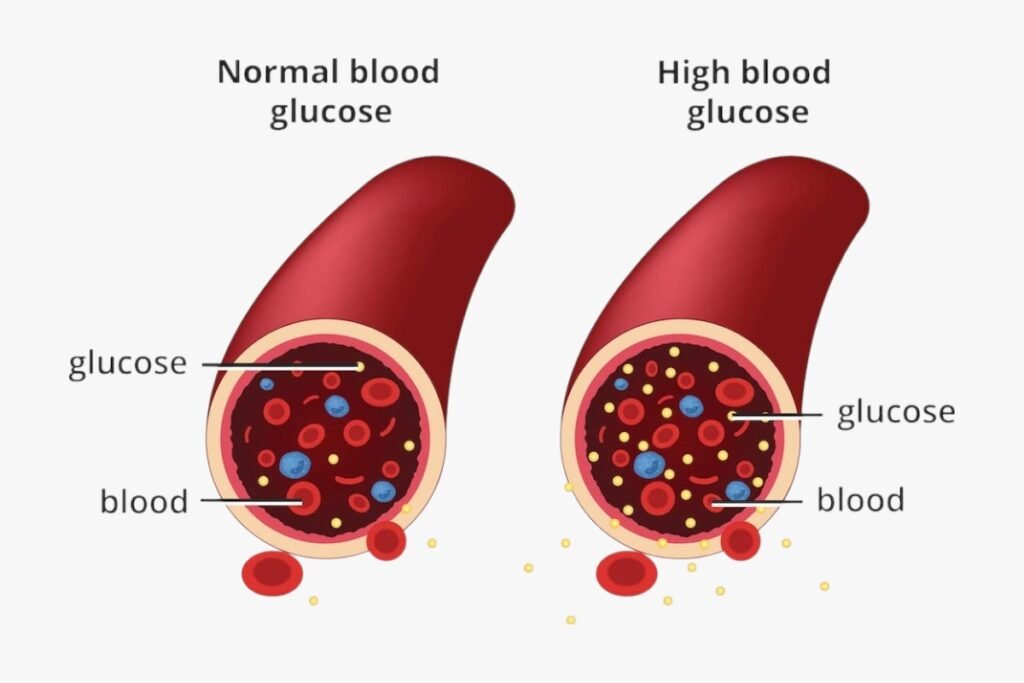
    Before diving into the symptoms, let’s understand what diabetes is. Diabetes Mellitus, or more commonly known as diabetes, is a chronic condition where the level of sugar (glucose) in the blood is too high. Glucose is the main source of energy for our body cells. However, to enter the cells, glucose needs the help of a hormone called insulin.

    Insulin is like a “key” that opens the cell doors for glucose to enter. In people with diabetes, there are two possible problems:

    1. The body doesn’t produce enough insulin (this usually happens in Type 1 Diabetes).
    2. The body cannot use insulin effectively (this is the most common, called Type 2 Diabetes).

    The result? Sugar builds up in the bloodstream and cannot be used by cells, leading to various serious health problems if left untreated. Diabetes complications can be terrifying, ranging from nerve damage, heart problems, kidney issues, to blindness and amputation. Scary, right? That’s why early detection is so important!
    What Is Diabetes?

    Early Diabetes Symptoms That Are Often Missed: Let’s Take a Closer Look!

    As mentioned, diabetes often arrives without a “knock” with subtle symptoms at first. But, if we’re observant, there are some body signals worth noting:

    1. Excessive Thirst (Polydipsia)

    Have you ever felt extremely thirsty even after just drinking a glass of water? Or does your throat constantly feel dry, making you want to drink again and again? Well, this is one of the most common diabetes symptoms.

    Why does this happen? When our blood sugar levels are high, the kidneys work hard to excrete excess sugar through urine. This process draws fluid from the body, causing dehydration. As a result, the brain sends strong thirst signals to replenish lost fluids.

    2. Frequent Urination, Especially at Night (Polyuria)

    As a result of that excessive thirst, we naturally drink more often, right? And eventually, we end up urinating more frequently. This isn’t just during the day, but also at night, even disrupting your sleep. You used to sleep soundly all night, but now you’re constantly getting up to go to the bathroom? Be careful, that could be a signal!

    The reason is similar: The kidneys work extra hard to excrete excess sugar through urine. This drastically increases urine production.

    3. Increased Appetite but Weight Loss (Polyphagia)

    Strange, isn’t it? You’ve eaten a large meal, but an hour later you’re hungry again? Some even experience a drastic increase in appetite, but their weight actually drops significantly for no clear reason (e.g., not on a diet or doing intense exercise). This also needs to be watched out for.

    The explanation: Even though there’s a lot of sugar in the blood, the body’s cells cannot absorb it to convert it into energy due to a lack of insulin or insulin resistance. The body thinks it’s starving, so it sends “hunger” signals to the brain. Because the body isn’t getting enough energy from glucose, it starts burning fat and muscle for energy, leading to weight loss.

    4. Easy Fatigue and Weakness Without Clear Reason

    You used to be energetic, but now you get tired and weak very easily, even though your activity hasn’t increased? Sometimes you might feel completely drained. This can also be an early sign of diabetes that is often overlooked.

    This happens because: Similar to the previous point, your body’s cells aren’t getting the glucose they need for energy. As a result, you feel fatigued and listless.

    5. Blurred or Hazy Vision

    Has your vision started to become blurry or hazy, even though it was fine before and you had no eye problems? This could be one of the symptoms of diabetes. High blood sugar can affect the eye’s lens, causing swelling and changes in shape, which results in unfocused vision. If left untreated, this can trigger serious eye problems like diabetic retinopathy, leading to blindness.

    6. Slow-Healing Wounds and Recurrent Infections

    If you have small cuts on your skin (e.g., a knife scratch or a mosquito bite) that take a very long time to heal, or you frequently experience fungal infections (e.g., in the genital area) or other skin infections, this could be a sign of high blood sugar. High blood sugar can damage blood vessels and nerves, hindering blood flow and nutrient delivery to the wound area, and weakening the immune system.

    7. Tingling or Numbness in Hands and Feet (Neuropathy)

    Have you ever felt tingling, numbness, or even burning pain in your hands or feet without a clear cause? This could be an early sign of nerve damage due to uncontrolled high blood sugar, a condition called diabetic neuropathy.

    The Importance of Early Detection: Don’t Wait Until It’s Severe!

    Perhaps you’ve read the symptoms above and some of them “click” with your condition. Don’t panic just yet! These symptoms can indeed be caused by other conditions. But, if you experience a combination of several of these symptoms, or even just one but it’s quite bothersome, don’t delay taking action!

    Early detection is the main key to managing diabetes. The sooner you know, the sooner you can take steps:

    • Start lifestyle changes: Healthy diet, regular exercise.
    • Get appropriate medical treatment: From a doctor or nutritionist.
    • Prevent serious complications: Such as heart, kidney, eye, and nerve problems.

    Remember, diabetes is not the end of everything. With proper treatment and discipline, people with diabetes can still live a quality and productive life.
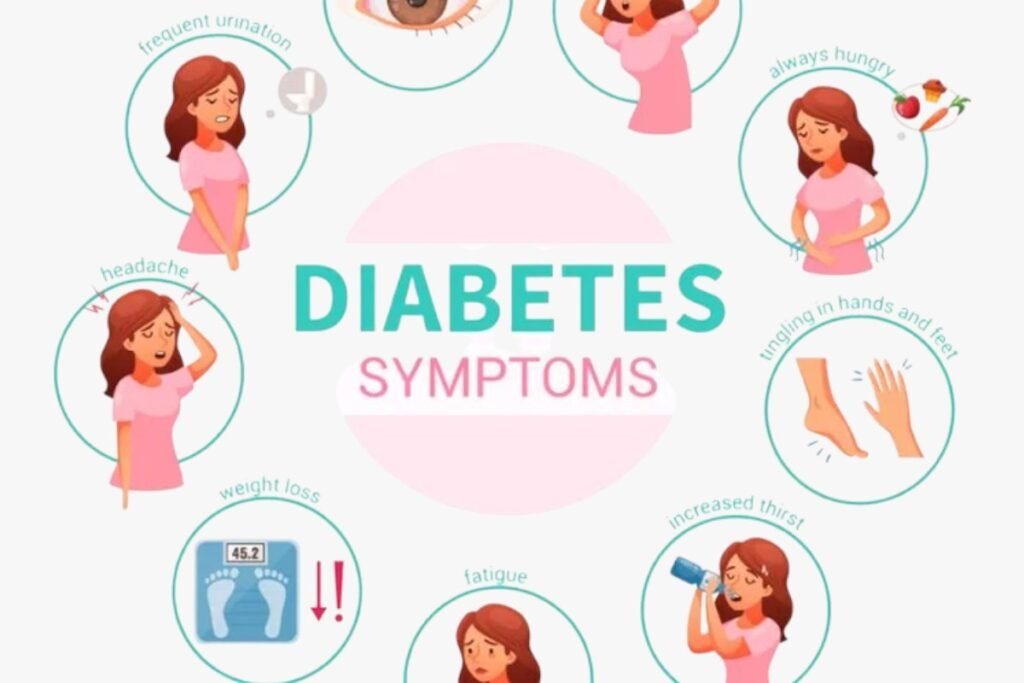
    Early Diabetes Symptoms That Are Often Missed

    Early Detection is Easy! Get to Know Your Blood Glucose Tester

    Instead of just guessing and creating unnecessary worry, it’s better to confirm your blood sugar levels! One of the easiest and quickest ways to monitor blood sugar is by using a blood glucose tester.

    Why is a Blood Glucose Tester Important?

    1. Practical and Easy to Use: You can check your blood sugar yourself at home, whenever you want. No need to bother going to a clinic every time.
    2. Routine Monitoring: With this device, you can routinely monitor your blood sugar fluctuations, whether after meals, before meals, or at specific times recommended by your doctor.
    3. Accurate Information: Provides clear numbers about your blood sugar levels, so you and your doctor can make appropriate decisions regarding treatment.
    4. Self-Motivation: Seeing your blood sugar numbers directly can be a strong motivation to be more disciplined in maintaining a healthy diet and lifestyle.
    5. Early Problem Detection: If your blood sugar numbers are often high, this is a strong signal to immediately consult with a medical professional.

    Get your own blood glucose tester and make it your best friend in maintaining health. Many brands and types of blood glucose testers are available on the market at varying prices, so choose one that suits your needs and budget.
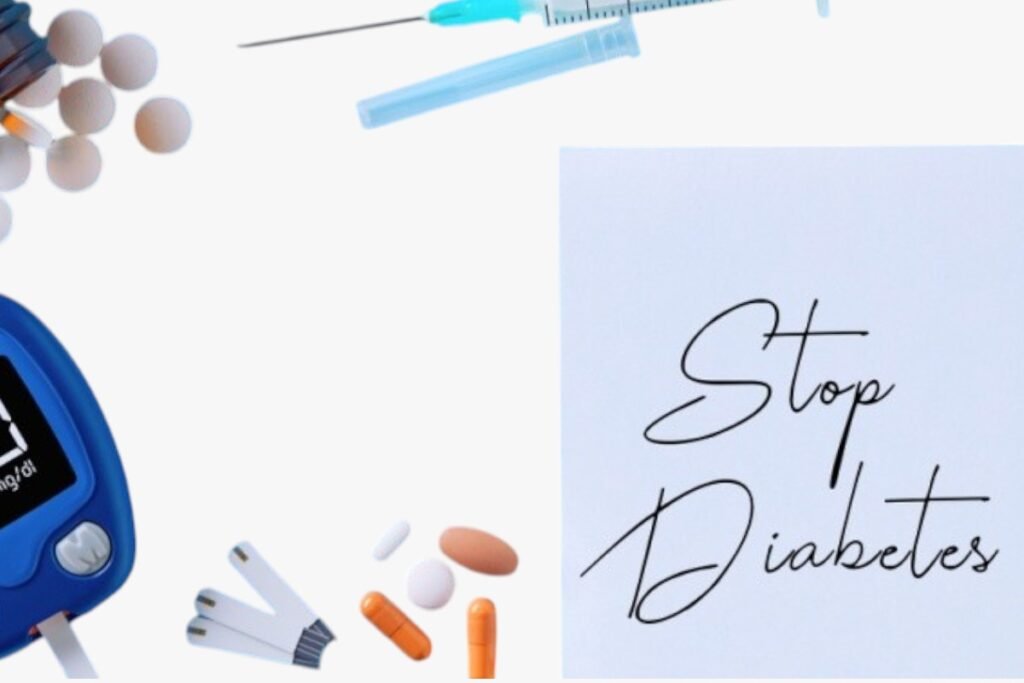
    Early Detection is Easy! Get to Know Your Blood Glucose Tester

    When Should You Get Yourself Checked?

    If you have one or more of the symptoms mentioned above, or if you have risk factors for diabetes (e.g., family history of diabetes, overweight/obesity, inactive lifestyle, age over 45), it is highly recommended to immediately check your blood sugar levels. You can start with a random blood sugar test or a fasting blood sugar test at the nearest laboratory, or use your personal blood glucose tester for initial monitoring.

    Don’t delay! Health is our greatest investment. By recognizing early symptoms and acting quickly, we can protect ourselves from the threat of diabetes and live healthier lives.

    Hope this information is useful, TheraMedicare Health Buddies! Let’s maintain our health together and make early detection a lifestyle.

    What do you think, have you started experiencing any of the symptoms above? Feel free to share your experiences in the comments section!

  • What is Companion Laser Therapy?

    What is Companion Laser Therapy?

    Companion laser therapy represents a significant advancement in veterinary medicine, offering a non-invasive, drug-free approach to treating various conditions in animals. This therapeutic modality utilizes specific wavelengths of light to stimulate healing at the cellular level, providing relief from pain and inflammation while accelerating tissue repair processes. As pet owners increasingly seek comprehensive care options for their animal companions, laser therapy has emerged as a valuable tool in the veterinary practitioner’s arsenal.

    Companion laser therapy represents a significant advancement in veterinary medicine

    The growing popularity of laser therapy in veterinary practices reflects a broader trend toward integrative medicine approaches that combine conventional treatments with complementary therapies. This holistic perspective acknowledges the complex interplay between physical symptoms and overall well-being, recognizing that effective treatment often requires addressing multiple aspects of an animal’s health simultaneously.

    Scientific Principles and Mechanism of Action

    Basic Physics of Laser Therapy

    Companion Laser Therapy employs light amplification by stimulated emission of radiation (LASER) to generate concentrated beams of light at specific wavelengths. In veterinary applications, these wavelengths typically fall within the red to near-infrared spectrum (600-1000 nm), which allows for optimal tissue penetration without causing thermal damage to surrounding structures. 3

    The term “photobiomodulation” describes the cellular and biochemical effects that occur when appropriate light energy is absorbed by photoreceptors within the cells. Unlike surgical lasers that cut or ablate tissue, therapeutic lasers operate at lower power densities specifically designed to modulate cellular function rather than destroy tissue. 1

    Cellular Response Mechanisms

    When Companion Laser Therapy light penetrates into tissues, it interacts with chromophores (light-absorbing molecules) within the cells, particularly in the mitochondria. This interaction triggers a cascade of biochemical events that enhance cellular metabolism and function. Key cellular responses include:

    1. Increased production of adenosine triphosphate (ATP), the primary energy carrier in cells
    2. Enhanced cell membrane permeability, facilitating nutrient intake and waste elimination
    3. Stimulation of cytokine and growth factor production
    4. Increased blood flow and formation of new capillaries (angiogenesis)
    5. Activation of stem cells to promote tissue regeneration
    6. Modulation of inflammatory pathways and reduction of oxidative stress 3

    These cellular changes collectively contribute to accelerated healing, reduced inflammation, and decreased pain perception, making laser therapy an effective treatment for a wide range of conditions affecting companion animals. 1

    Types of Therapeutic Lasers

    Classification by Power Output

    Therapeutic lasers used in veterinary medicine are typically categorized based on their power output:

    • Class III Lasers (Low-Level Lasers): These devices operate at power outputs below 500 milliwatts (mW) and are sometimes referred to as “cold lasers” because they produce minimal thermal effects. Class III lasers were among the first therapeutic lasers used in veterinary medicine, though they have largely been supplanted by more powerful options in clinical settings. 2
    • Class IV Lasers (High-Power Lasers): Operating at power outputs above 500 mW (typically 1-15 watts in veterinary applications), these lasers can deliver therapeutic doses more quickly and achieve deeper tissue penetration. Most modern veterinary practices utilize Class IV lasers for their efficiency and versatility across a range of conditions.

    Wavelength Considerations

    The wavelength of laser light determines its depth of penetration and specific therapeutic effects:

    • Red light (600-700 nm): Penetrates superficially and is effective for surface wounds, dermatological conditions, and shallow tissue injuries.
    • Near-infrared light (700-950 nm): Penetrates deeper tissues, reaching muscles, tendons, joints, and even deeper structures, making it suitable for treating musculoskeletal and neurological conditions.
    • Combination wavelengths: Many modern therapeutic laser systems incorporate multiple wavelengths to address different tissue depths and pathologies simultaneously. 3

    Clinical Applications in Veterinary Medicine

    Pain Management

    Companion Laser Therapy has demonstrated significant efficacy in managing both acute and chronic pain conditions in companion animals. By reducing inflammation, improving circulation, and releasing endorphins, laser treatments can provide meaningful pain relief for conditions such as:

    • Osteoarthritis and degenerative joint disease
    • Intervertebral disc disease
    • Post-surgical pain
    • Soft tissue injuries
    • Neuropathic pain conditions 1

    For geriatric patients or animals with compromised organ function that cannot tolerate traditional pain medications, Companion Laser Therapy offers a valuable alternative or complementary approach to pain management. Many veterinarians report that integrating laser therapy into multimodal pain management protocols allows for reduced medication dosages while maintaining or improving pain control. 2

    Wound Healing and Tissue Repair

    One of the most well-documented applications of laser therapy is accelerating wound healing. The photobiomodulation effects stimulate fibroblast proliferation, collagen synthesis, and epithelialization, resulting in faster closure of wounds and improved cosmetic outcomes. Specific wound-related applications include:

    • Surgical incision healing
    • Traumatic wounds and lacerations
    • Chronic non-healing wounds
    • Burns
    • Pressure sores
    • Skin grafts 4

    Studies have shown that properly administered laser therapy can reduce healing time by 30-50% compared to standard care alone, making it particularly valuable for challenging wounds or compromised patients. 3

    Musculoskeletal Conditions

    Companion laser therapy shows particular promise in treating various musculoskeletal conditions:

    • Degenerative joint disease
    • Tendon and ligament injuries
    • Muscle strains and tears
    • Hip dysplasia
    • Cruciate ligament injuries (pre- and post-surgical)
    • Fracture healing 1

    The anti-inflammatory and tissue-regenerative properties of laser therapy make it especially beneficial for chronic conditions like osteoarthritis, where it can improve mobility and quality of life while potentially reducing reliance on pharmaceutical interventions. 2

    Neurological Applications

    Emerging research suggests that laser therapy may benefit various neurological conditions through neuroprotective effects and enhanced nerve regeneration:

    • Intervertebral disc disease
    • Peripheral nerve injuries
    • Degenerative myelopathy
    • Post-operative spinal surgery recovery
    • Facial and trigeminal neuralgia 4

    While more research is needed in this area, preliminary evidence and clinical observations indicate that laser therapy may help preserve neurological function and promote recovery in certain conditions affecting the nervous system. 3

    Treatment Protocols and Administration

    Dosage Parameters

    Effective Companion Laser Therapy requires appropriate dosing based on several key parameters:

    • Power density: The concentration of power over the treatment area (W/cm²)
    • Energy density: The total energy delivered per unit area (J/cm²)
    • Treatment time: Duration of laser application
    • Treatment frequency: How often treatments are administered (e.g., daily, weekly)
    • Total number of treatments: Course of therapy required for optimal outcomes 1

    These parameters must be adjusted based on the patient’s size, coat color and thickness, skin pigmentation, condition being treated, and treatment goals. Most modern laser systems provide preset protocols for common conditions, though experienced practitioners may customize treatments based on individual patient response. 2

    Treatment Technique

    Proper administration technique is crucial for optimal results:

    1. Contact vs. non-contact delivery: While some protocols call for holding the laser handpiece slightly above the skin surface, direct contact technique often provides better energy transfer and reduced reflection, enhancing therapeutic effects.
    2. Movement patterns: Slow, methodical movement of the handpiece over the treatment area ensures even energy distribution and prevents overheating of tissues.
    3. Treatment area coverage: Treating not only the primary site of injury but also surrounding tissues and related structures (such as proximal joints or nerve pathways) often yields better clinical outcomes. 3

    Most treatments last between 3-10 minutes per site, with the specific duration determined by the condition being treated, the power of the laser system, and the size of the treatment area. 4

    Evidence Base and Clinical Research

    Current State of Evidence

    While Companion Laser Therapy has gained widespread acceptance in veterinary practice, the quality and quantity of research evidence varies by application:

    • Strong evidence: Wound healing, pain management for osteoarthritis
    • Moderate evidence: Post-surgical pain and inflammation, tendon and ligament injuries
    • Emerging evidence: Neurological applications, intervertebral disc disease
    • Limited evidence: Some dermatological conditions, dental applications 2

    It’s important to note that much of the current understanding of therapeutic laser effects comes from human medicine research, laboratory studies, and clinical experience rather than large-scale controlled trials in veterinary patients. This reflects the general challenge of conducting rigorous clinical research in veterinary medicine. 3

    Ongoing Research Directions

    Current research in veterinary Companion Laser Therapy is focused on several key areas:

    1. Optimizing treatment parameters for specific conditions
    2. Investigating synergistic effects with other therapies
    3. Exploring novel applications in oncology supportive care
    4. Developing objective outcome measures to better quantify clinical benefits
    5. Establishing evidence-based protocols for various species and conditions 1

    As research continues to evolve, the scientific understanding of laser therapy mechanisms and applications is likely to become more refined, potentially expanding its utility in veterinary medicine. 4

    Safety Considerations and Limitations

    Safety Protocols

    While therapeutic lasers are generally considered safe when properly used, important safety considerations include:

    • Eye protection: Appropriate protective eyewear must be worn by all personnel and should be considered for patients during treatment.
    • Contraindications: Laser therapy should be avoided directly over malignancies, areas of active hemorrhage, the eyes, growth plates in young animals, and pregnant uteri.
    • Heat sensitivity: Patients should be monitored for signs of discomfort during treatment, particularly when using higher-powered devices.
    • Operator training: Proper training is essential to ensure safe and effective treatment delivery. 2

    Limitations and Considerations

    Despite its benefits, laser therapy has certain limitations:

    • Depth of penetration: Even high-powered lasers have limited penetration depth (typically 2-5 cm), which may reduce efficacy for very deep tissues or large patients.
    • Treatment course requirements: Multiple treatments are typically required for optimal outcomes, which requires owner commitment and may increase overall treatment costs.
    • Variability in response: Individual patients may respond differently to treatment, and some conditions may be more responsive than others. 3

    Integration with Conventional Veterinary Medicine

    Multimodal Approach

    Laser therapy is most effectively utilized as part of a comprehensive treatment plan rather than as a standalone therapy. Integration with conventional approaches may include:

    • Adjunct to pharmacological management: Laser therapy can enhance the effects of medications or potentially allow for reduced dosages.
    • Post-surgical rehabilitation: Combined with appropriate physical rehabilitation techniques, laser therapy can accelerate recovery and improve functional outcomes.
    • Chronic disease management: For conditions like osteoarthritis, combining laser therapy with weight management, appropriate exercise, and medications often yields the best results. 4

    This integrative approach acknowledges that complex medical conditions typically benefit from addressing multiple aspects of pathophysiology simultaneously. 1

    Future Directions and Emerging Applications

    Technological Advances

    The field of veterinary laser therapy continues to evolve with technological innovations:

    • Multi-wavelength systems: Newer devices incorporating multiple wavelengths can target different tissue depths and pathologies simultaneously.
    • Pulsing protocols: Advanced pulsing patterns may enhance specific therapeutic effects while minimizing tissue heating.
    • Portable and affordable options: More compact and cost-effective systems are making laser therapy accessible to a wider range of veterinary practices.
    • Integration with digital health platforms: Some systems now offer cloud-based protocol libraries and treatment tracking capabilities. 2

    Emerging Clinical Applications

    Promising areas for future development include:

    • Neurological rehabilitation: Enhanced protocols for spinal cord injuries and neuropathies
    • Dental applications: Management of oral pain and acceleration of healing after dental procedures
    • Oncology supportive care: Reducing side effects of radiation and chemotherapy
    • Metabolic conditions: Emerging research on effects of photobiomodulation on metabolic processes 4

    Conclusion

    Companion laser therapy represents a valuable addition to the veterinary therapeutic toolkit, offering a non-invasive, drug-free option for managing pain, inflammation, and tissue healing in companion animals. While the evidence base continues to develop, clinical experience and existing research support its efficacy for numerous conditions when appropriately administered as part of a comprehensive treatment approach.

    As research advances and technology evolves, laser therapy is likely to become increasingly refined and integrated into standard veterinary care protocols, potentially expanding its applications and improving outcomes for veterinary patients. For pet owners seeking complementary approaches to conventional treatments, laser therapy offers a scientifically-grounded option that can enhance their companion animal’s comfort, mobility, and quality of life.

    1: https://pmc.ncbi.nlm.nih.gov/articles/PMC9951699/
    2: https://vethelpdirect.com/vetblog/2023/08/18/laser-therapy-for-pets-whats-the-evidence/
    3: https://pmc.ncbi.nlm.nih.gov/articles/PMC9502196/
    4: https://todaysveterinarypractice.com/integrative-alternative-medicine/recovery-rehab-laser-therapy-in-companion-animals-2/

    Buy

  • What Is Chronic Pain

    What Is Chronic Pain

    Chronic pain affects millions of people worldwide, significantly impacting their quality of life and daily functioning. Unlike acute pain, which serves as a warning signal and typically resolves once healing occurs, chronic pain persists long after the initial injury or illness has healed. This comprehensive guide explores what most painful chronic pain is, its causes, treatment options, and the complex question of whether it can be cured.

    Chronic pain syndrome

    Defining Chronic Pain

    Chronic pain is generally defined as pain that lasts for more than three months or beyond the normal healing time for an injury or illness. While acute pain is a normal sensation that alerts us to possible injury, chronic pain is different—it persists, often without serving any apparent biological purpose.

    The pain signals remain active in the nervous system for weeks, months, or even years. This can take both a physical and emotional toll on a person, affecting their ability to function and enjoy life.

    Types of Chronic Pain

    can manifest in various forms:

    • Nociceptive pain: Caused by damage to body tissue and usually described as a sharp, aching, or throbbing pain
    • Neuropathic pain: Results from damage to or dysfunction of the nervous system, often described as burning, shooting, or tingling
    • Nociplastic pain: Arises from altered nociception (pain sensing) despite no clear evidence of tissue damage
    • Psychogenic pain: Related to psychological factors rather than physical causes

    Common chronic pain conditions include:

    • Fibromyalgia
    • Chronic back pain
    • Arthritis
    • Migraines and chronic headaches
    • Complex regional pain syndrome (CRPS)
    • Neuropathic pain conditions like diabetic neuropathy

    Causes and Risk Factors

    can develop from various causes:

    • Injury or trauma: Sometimes pain persists long after an initial injury has healed
    • Underlying health conditions: Diseases like arthritis, fibromyalgia, or cancer
    • Nerve damage: From conditions like diabetes or shingles
    • Surgery: Post-surgical pain that doesn’t resolve
    • No identifiable cause: Sometimes chronic pain develops without any clear injury or illness

    Risk factors that may increase the likelihood of developing chronic pain include:

    • Age (more common in older adults)
    • Previous injuries
    • Certain medical conditions
    • Obesity
    • Smoking
    • Sedentary lifestyle
    • Genetic factors
    • Psychological factors like stress, anxiety, or depression

    The Diagnosis Process

    Diagnosing can be challenging as pain is subjective and can’t be measured objectively like other medical conditions. Healthcare providers typically:

    1. Take a detailed medical history
    2. Perform a physical examination
    3. Ask about pain characteristics (location, intensity, duration, what makes it better or worse)
    4. Use pain scales to assess severity
    5. Order imaging tests (X-rays, MRI, CT scans) if appropriate
    6. Conduct nerve function tests if nerve damage is suspected

    Treatment Approaches

    Managing often requires a multidisciplinary approach:

    Medications

    • Over-the-counter pain relievers (acetaminophen, NSAIDs)
    • Prescription pain medications (used cautiously due to risk of dependency)
    • Antidepressants and anticonvulsants (for certain types of pain)
    • Topical treatments

    Physical Therapies

    • Physical therapy
    • Exercise programs
    • Massage
    • Heat and cold therapy
    • TENS (Transcutaneous Electrical Nerve Stimulation)

    Interventional Procedures

    • Nerve blocks
    • Epidural steroid injections
    • Radiofrequency ablation
    • Implantable devices like spinal cord stimulators

    Psychological Approaches

    • Cognitive behavioral therapy (CBT)
    • Mindfulness and meditation
    • Relaxation techniques
    • Biofeedback

    Complementary and Alternative Therapies

    • Acupuncture
    • Yoga
    • Tai chi
    • Chiropractic care

    Can Chronic Pain Be Cured?

    The question of whether chronic pain can be cured is complex and often doesn’t have a simple yes or no answer. The possibility of a cure depends largely on the underlying cause and individual factors.

    When Cure Is Possible

    In some cases, chronic pain can be completely resolved:

    1. When there’s a treatable underlying cause: If stems from a specific condition that can be effectively treated, the pain may resolve. Examples include:
      • Pain from a herniated disc that responds to surgery
      • Pain caused by a tumor that can be removed
      • Certain types of nerve compression that can be surgically corrected
    2. Early intervention: Research suggests that addressing pain aggressively in its early stages may prevent it from becoming chronic in some cases.
    3. Specific pain syndromes: Some conditions that typically cause chronic pain occasionally resolve completely with appropriate treatment, though this isn’t guaranteed.

    When Management Is More Realistic Than Cure

    For many chronic pain conditions, complete elimination of pain may not be realistic, and the focus shifts to effective management:

    • Fibromyalgia: Currently considered a lifelong condition, but symptoms can be significantly reduced with proper treatment
    • Diabetic neuropathy: Often managed rather than cured, though controlling blood sugar can prevent progression
    • Osteoarthritis: While joint replacement may help in some cases, many people focus on managing symptoms
    • Complex regional pain syndrome: Often requires ongoing management strategies
    • Central sensitization syndromes: When the central nervous system becomes hypersensitive to pain signals

    Living with Chronic Pain

    For many, becomes a condition to manage rather than cure. Strategies that can help include:

    • Self-management programs: Learning skills to better manage pain day-to-day
    • Pacing activities: Balancing activity with rest to avoid flare-ups
    • Stress management: Since stress can exacerbate pain
    • Sleep hygiene: Poor sleep can worsen pain and vice versa
    • Support groups: Connecting with others who understand the challenges
    • Maintaining social connections: To combat isolation often associated with chronic pain

    Reframing Success: Beyond the Concept of “Cure”

    Many pain specialists now focus on:

    1. Functional improvement: Enhancing quality of life and ability to participate in meaningful activities
    2. Pain reduction: Decreasing intensity and frequency of pain to manageable levels
    3. Improved coping skills: Developing strategies to live well despite some level of pain
    4. Preventing flare-ups: Identifying and avoiding triggers that worsen pain

    The Mind-Body Connection

    Research increasingly recognizes the strong connection between mind and body in chronic pain. Psychological factors like stress, anxiety, and depression can intensify pain perception, while chronic pain can lead to these same psychological issues—creating a cycle that’s difficult to break.

    This understanding has led to more holistic approaches to pain management that address both physical and psychological aspects of pain.

    The Role of Acceptance

    For many people with chronic pain, acceptance becomes an important part of their journey—not giving up, but acknowledging the reality of their condition while focusing on what they can control:

    • Acceptance and Commitment Therapy (ACT): A psychological approach that helps people accept what cannot be changed while committing to actions that improve quality of life
    • Shifting goals: Moving from “eliminating all pain” to “living well despite some pain”

    Promising Developments

    Research continues to advance our understanding and treatment:

    • Neuroplasticity: The brain’s ability to rewire itself offers hope for some conditions
    • Targeted therapies: More precise medications with fewer side effects
    • Neuromodulation: Advanced techniques to modify nerve activity
    • Regenerative medicine: Potential to repair damaged tissues that cause pain
    • Personalized approaches: Tailoring treatments to individual pain mechanisms

    Conclusion

    Chronic pain is a complex condition that affects every aspect of a person’s life. While a complete cure isn’t always possible, significant improvement often is. The most successful approaches typically combine multiple strategies tailored to the individual’s specific condition and needs.

    For those living with chronic pain, working with healthcare providers to set realistic expectations and goals is crucial. This might mean focusing less on eliminating pain entirely and more on reducing its impact on daily life, improving function, and finding ways to engage in meaningful activities despite some level of discomfort.

    The journey with chronic pain is often not about finding a cure but about reclaiming quality of life—and with proper treatment and support, many people with chronic pain are able to lead fulfilling, active lives despite their condition.


    Disclaimer: This article is for informational purposes only and does not constitute medical advice. Always consult with qualified healthcare providers for diagnosis and treatment of chronic pain.

  • Understanding Intelect Puls 1064

    Understanding Intelect Puls 1064

    Modern physiotherapy has come a long way. Thanks to new technology, treatments are becoming more effective and comfortable for patients. One such innovation is the Intelect Puls 1064. It’s a medical device that combines two proven treatments: high-power laser therapy and radial shockwave therapy. Together, they help reduce pain and speed up healing.

    Intelect Puls 1064 is a smart combination of laser and shockwave therapy.

    What is Intelect Puls 1064?

    Intelect Puls 1064 is a special device used by physiotherapists to treat problems related to muscles, joints, and tendons. It uses two types of therapy:

    • A laser with a wavelength of 1064 nanometers
    • Radial shockwaves (gentle pulses of energy)

    These two therapies work together to relieve pain and help the body heal faster. The treatment is non-invasive, which means no needles or surgery.

    How Does It Work Intelect Puls 1064?

    1. Intelect Puls 1064: The laser goes deep into the tissues, reaching areas that other lasers can’t. It helps increase blood flow, reduce swelling, and boost the body’s natural healing process. It’s like giving your cells extra energy to repair themselves.
    2. Shockwave Therapy: This uses sound waves to target painful or injured areas. It improves circulation, breaks down scar tissue, and encourages the body to heal. It’s especially helpful for tendon and muscle problems.

    Why Is It Useful?

    When laser and shockwave therapy are combined, the results can be even better. Benefits include:

    • Pain relief without needing medicine
    • Faster recovery after injury
    • Less swelling and inflammation
    • Improved healing of muscles and joints
    • Safe and gentle enough to use many times

    What Can It Treat?

    Intelect Puls 1064 can help treat a wide range of issues, such as:

    • Tendon injuries like tennis elbow or Achilles tendonitis
    • Plantar fasciitis (heel pain)
    • Muscle knots and tension
    • Joint pain and stiffness
    • Chronic swelling or inflammation
    • Sports injuries
    • Wounds or scars that are slow to heal

    How Is It Different From Other Treatments Intelect Puls 1064?

    Many therapy devices only do one thing. The Intelect Puls 1064 does two. This makes treatment more flexible and powerful. It also avoids the need for medication or surgery. For patients who can’t take painkillers or don’t want injections, this is a great option.

    Good for Clinics and Patients

    Physiotherapy clinics can benefit from using the Intelect Puls 1064. It helps them offer faster, better results to their patients. Patients are more likely to stick with treatment if they feel better quickly. Plus, since the device is non-invasive, it’s comfortable and safe.

    In Summary

    Intelect Puls 1064 is a smart combination of laser and shockwave therapy. It helps with pain, speeds up healing, and is easy to use. It’s perfect for people with chronic pain, sports injuries, or joint and muscle problems. As more clinics start using this technology, more patients can enjoy quicker, more effective recovery—without the need for drugs or surgery.werful tool for modern physiotherapy. Whether for managing chronic pain or supporting recovery from sports injuries, this device stands at the forefront of non-invasive treatment solutions.

  • How Does Swift Microwave Therapy Work to Treat Warts?

    How Does Swift Microwave Therapy Work to Treat Warts?

    Warts can be annoying and sometimes painful, especially when they appear on your feet. If you’ve tried other treatments and nothing seems to work, you might have heard of something called Swift Microwave Therapy. But how does it actually work? Let’s break it down in a simple, easy-to-understand way.

    Swift Microwave Therapy uses low-dose microwave energy to heat and treat skin lesions like plantar warts, triggering the body's immune system to fight the underlying HPV virus.

    What Is Swift Microwave Therapy?

    Swift Microwave Therapy is a modern treatment that uses microwave energy to help your body get rid of warts. It doesn’t involve freezing, cutting, or putting acid on your skin. Instead, it uses a small device that sends energy deep into the skin, right where the wart virus is hiding.

    This energy wakes up your body’s immune system and helps it fight the virus that causes the wart. Pretty cool, right?

    What Are Microwaves?

    Swift Microwave Therapy are a type of energy—just like light or sound. In fact, you probably use microwaves every day when you heat food in a microwave oven!

    But don’t worry—the Swift device uses a much lower and safe dose of microwave energy, only strong enough to gently heat the tissue under your wart. You won’t be cooking your foot!

    How Does Swift Microwave Therapy Energy Work?

    Here’s what happens during a Swift treatment:

    1. The doctor gently presses a small handheld device onto your wart.
    2. The device sends a short burst of microwave energy (usually lasting 2–5 seconds).
    3. This energy heats the area just enough to wake up your immune system.
    4. Your body starts to recognize the virus (HPV) causing the wart.
    5. Over the next few weeks, your immune system slowly destroys the wart from the inside out.

    It’s kind of like turning on an alarm to tell your body, “Hey, something’s not right here. Let’s fix it!”

    Why Heating the Skin Helps

    Warts are caused by the human papilloma virus (HPV). This virus is sneaky and hides in the skin, so your immune system often doesn’t notice it.

    But when the skin is gently heated with microwave energy, a few important things happen:

    • Immune cells get activated.
      The heat sends a signal to your immune system saying, “Look over here!”
    • Blood flow increases.
      This brings more immune cells to the area to fight the virus.
    • Virus cells get stressed.
      The virus doesn’t like heat—it makes the infected cells weaker.

    What Makes Swift Microwave Therapy Different?

    Here’s why Swift stands out compared to other wart treatments:

    FeatureSwift TherapyOther Treatments
    PainVery mild, quick sensationCan be painful (freezing, acids)
    Recovery TimeNo downtimeMay need bandages or rest
    Number of Visits3–4 sessions (usually)Can take many more sessions
    ScarringNo cutting, no scarsRisk of scars with other methods
    How It WorksBoosts immune responseTries to destroy wart directly

    So instead of attacking the wart from the outside, Swift trains your body to do the work from within. That’s why it often works better for stubborn or long-lasting warts.

    Is It Safe?

    Yes! Swift is approved by health organizations like the FDA in the U.S. and CE-marked in Europe. It’s been tested in many clinics and shown to be both safe and effective.

    Some people feel a quick “zing” or warm sensation, but it’s over in a few seconds. There’s no bleeding, no open wounds, and no need for bandages.

    What Happens After the Treatment?

    After your Swift session:

    • You can walk and go back to normal activities right away.
    • The wart might not disappear immediately—it takes time.
    • Your body continues to fight the virus over the next weeks to months.
    • Most people need 3–4 sessions to fully remove the wart.

    Think of it like planting a seed for your immune system—it takes a little time to grow, but once it does, it gets the job done.

    Final Thoughts: Swift Makes Your Body the Hero

    Swift Microwave Therapy is a smart, science-based way to teach your immune system how to fight warts. It’s quick, safe, and doesn’t involve anything scary like needles or scalpels.

    If you or someone in your family has a wart that just won’t go away, Swift might be the answer.

    Remember, your body is strong—it sometimes just needs a little help noticing the problem. Swift is that little spark that lights the fire.

  • What is Swift Microwave Verruca Treatment?

    What is Swift Microwave Verruca Treatment?

    Have you ever heard of verrucas? Maybe you’ve had one before, or you’ve seen someone with a small, rough bump on the bottom of their foot. Verrucas, also called plantar warts, are caused by a virus called HPV (Human Papillomavirus). They can be annoying, painful, and hard to get rid of. But don’t worry—there’s a new treatment called Swift Microwave Verruca Treatment that’s making it easier to deal with verrucas.

    In this article, we will explain what Swift Microwave Verruca Treatment is, how it works, why it’s a great option for getting rid of verrucas, and answer some common questions. Let’s dive in!

    Swift Microwave Verruca

    What Are Verrucas?

    Before we talk about the treatment, let’s understand what verrucas are. Verrucas are a type of wart that grows on the soles of your feet. They are caused by a virus called HPV, which gets into your skin through tiny cuts or scratches.

    Here are some quick facts about verrucas:

    • They look like small, rough bumps on your skin.
    • They often have tiny black dots inside them (these are small blood vessels).
    • They can hurt when you walk or stand because they press into your skin.
    • Verrucas are contagious, which means you can catch them from someone else or from walking barefoot in places like swimming pools or locker rooms.

    What Is Swift Microwave Verruca Treatment?

    Now that we know what verrucas are, let’s talk about how to get rid of them. Swift Microwave Verruca Treatment is a new and advanced way to treat verrucas. It uses something called microwave energy to target the verruca and help your body fight the virus that’s causing it.

    Here’s how it works in simple terms:

    1. A doctor or specialist uses a small machine called the Swift device.
    2. The device sends microwave energy into the verruca.
    3. The microwaves heat up the verruca for a few seconds. Don’t worry—it’s not like cooking food in a microwave oven! It’s a very small amount of energy that only affects the verruca.
    4. The heat wakes up your immune system, which then starts fighting the virus.

    Unlike other treatments, Swift doesn’t just treat the verruca on the surface—it helps your body attack the virus from the inside.

    Why Do Verrucas Need Treatment?

    Sometimes verrucas go away on their own, but this can take months or even years. If you have a verruca that’s painful, embarrassing, or just won’t go away, it’s a good idea to get it treated. Here are some reasons why people choose to treat verrucas:

    • Pain: Verrucas can hurt when you walk, especially if they’re on a part of your foot that you put pressure on.
    • Spreading: If you don’t treat a verruca, it can spread to other parts of your body or to other people.
    • Appearance: Some people don’t like how verrucas look, especially if they’re big or in a visible spot.

    How Does Swift Microwave Verruca Treatment Work?

    Let’s break it down step by step so it’s easy to understand:

    1. Step 1: Consultation
      First, you’ll visit a doctor or foot specialist (called a podiatrist). They will look at your verruca and decide if Swift treatment is the best option for you.
    2. Step 2: The Treatment
      During the treatment, the doctor will use the Swift device to send microwave energy into the verruca. Each pulse of energy lasts about 2 seconds, and the whole treatment usually takes less than 10 minutes.
    3. Step 3: Immune System Activation
      The microwaves heat the verruca to a specific temperature, which doesn’t kill the virus directly but instead wakes up your immune system. Your immune system then recognizes the virus and starts attacking it.
    4. Step 4: Follow-Up Sessions
      Most people need 2 to 4 sessions, spaced about 4 weeks apart, to completely get rid of the verruca. This gives your immune system time to do its job.

    What Makes Swift Treatment Different?

    There are lots of ways to treat verrucas, like freezing them with liquid nitrogen (cryotherapy), using special creams, or even cutting them out. So, what makes Swift different? Here are some reasons why people love this treatment:

    1. It’s Quick: The treatment only takes a few minutes, and there’s no need for messy creams or long recovery times.
    2. No Cutting or Freezing: Unlike other treatments, Swift doesn’t involve cutting into your skin or freezing it, so there’s less risk of pain or scarring.
    3. It Helps Your Body Fight Back: Instead of just treating the verruca, Swift helps your immune system recognize and fight the virus.
    4. Safe for Everyone: Swift is safe for both adults and children, so it’s a great option no matter your age.

    Does It Hurt?

    One of the most common questions people ask is, “Does Swift treatment hurt?” The answer is: not much! Most people say it feels like a quick, sharp heat or a small pinprick. The discomfort only lasts for a few seconds and goes away as soon as the treatment is over.

    If you’re nervous about pain, don’t worry—your doctor can talk to you about what to expect and help you feel comfortable.

    Benefits of Swift Microwave Verruca Treatment

    Here’s a quick summary of why Swift is such a great option for treating verrucas:

    • It’s fast and easy.
    • It doesn’t damage healthy skin.
    • There’s no need for downtime—you can go back to your normal activities right after treatment.
    • It works for stubborn verrucas that don’t respond to other treatments.
    • It’s safe for kids and adults.

    FAQs About Swift Microwave Verruca Treatment

    1. How many treatments will I need?
    Most people need 2 to 4 sessions, spaced about 4 weeks apart. Your doctor will let you know how many sessions you’ll need based on the size and severity of your verruca.

    2. Can I walk after the treatment?
    Yes! There’s no downtime with Swift treatment, so you can walk, run, and do all your normal activities right after your appointment.

    3. Is it safe for kids?
    Absolutely. Swift is a safe and effective option for children with verrucas.

    4. How much does it cost?
    The cost of Swift treatment can vary depending on where you live and the clinic you visit. It’s best to ask your doctor for pricing details.

    5. Will the verruca come back?
    Once your immune system fights off the virus, the verruca should not come back. However, it’s always possible to catch a new verruca if you’re exposed to the virus again.

    How to Prevent Verrucas

    Even after you get rid of a verruca, it’s important to take steps to avoid getting another one. Here are some tips to keep your feet healthy and verruca-free:

    1. Wear Flip-Flops in Public Places
      Always wear flip-flops or sandals in places like swimming pools, gyms, and locker rooms. These are common places where the HPV virus can spread.
    2. Don’t Share Shoes or Socks
      Sharing footwear with someone who has a verruca can spread the virus, so it’s best to use your own.
    3. Keep Your Feet Clean and Dry
      Wash your feet regularly and dry them well, especially between your toes. Verrucas thrive in moist environments.
    4. Check Your Feet Regularly
      Look at your feet often to catch any verrucas early. The sooner you treat them, the easier they are to get rid of.

    Conclusion

    Verrucas can be annoying and uncomfortable, but with Swift Microwave Verruca Treatment, you don’t have to live with them for long. This innovative treatment is quick, effective, and safe for people of all ages. By using microwave energy to wake up your immune system, Swift helps your body fight off the virus causing the verruca.

    If you’re tired of dealing with verrucas, talk to your doctor or podiatrist about Swift treatment. It might just be the solution you’ve been looking for!

  • Microson HIFU: The Latest Innovation for Perfect Facial Contouring

    Microson HIFU: The Latest Innovation for Perfect Facial Contouring

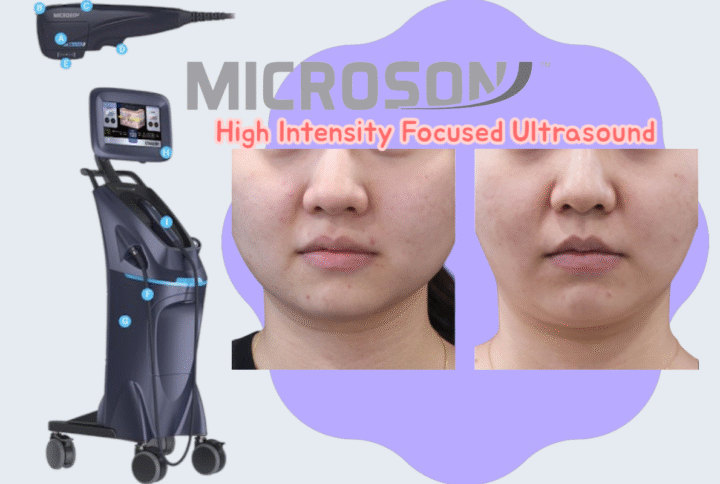
    Facial contouring is all about shaping and defining the features of your face. Imagine your favorite superhero or cartoon character; they often have distinct features that make them stand out. Just like that, many people want their faces to look more defined and youthful. This is where the Microson HIFU Machine comes in!

    Microson HIFU is a breakthrough in non-invasive facial contouring. With its ability to lift and tighten skin without surgery, it’s becoming increasingly popular among those seeking youthful appearances.

    What is Microson HIFU?

    Microson HIFU stands for High-Intensity Focused Ultrasound. It’s a special machine that uses sound waves to help tighten and lift the skin on your face without any surgery. Think of it like using a magic wand that helps your skin look better!

    How Does Microson HIFU Work?

    1. Sound Waves: The machine sends tiny sound waves deep into your skin layers. These waves are focused on specific areas, which helps to create heat.
    2. Stimulating Collagen: The heat from the sound waves encourages your body to produce more collagen. Collagen is a natural protein that keeps our skin firm and elastic, just like a rubber band!
    3. Lifting and Tightening: As the collagen builds up, your skin starts to feel tighter and looks lifted, giving you that perfect contour.

    Benefits of Using Microson HIFU

    1. Non-Invasive: Unlike surgeries, HIFU doesn’t require cuts or stitches. It’s like getting a facial but with extra benefits!
    2. Quick Recovery: After the treatment, you can go back to your daily activities right away. There’s no long downtime like with surgery.
    3. Long-Lasting Results: Many people see results that last for months, sometimes even up to a year! It’s like planting seeds that keep growing.
    4. Customizable Treatment: The doctor can adjust the machine to focus on different areas of your face, making it a personalized experience.

    Who Can Benefit from Microson HIFU?

    Microson HIFU is great for anyone looking to improve their facial appearance, especially if:

    • You want to lift sagging skin.
    • You have fine lines or wrinkles.
    • You’re looking for a non-surgical option to enhance your features.

    However, it’s always best to talk to a doctor to see if it’s right for you!

    The Treatment Process: What to Expect

    1. Consultation: First, you’ll meet with a doctor who will explain everything and see if you’re a good candidate.
    2. Preparation: On the day of the treatment, your face will be cleaned, and a special gel will be applied to help the machine glide smoothly.
    3. Treatment: The doctor will use the Microson HIFU machine, and you might feel a little warmth or tingling, but it shouldn’t hurt.
    4. Aftercare: Once it’s done, you can go home and enjoy your day! Just remember to follow any aftercare instructions given by your doctor.

    What Do People Say? Testimonials

    Many people who have tried Microson HIFU share their experiences:

    • Sarah, Age 30: “I loved how quick the treatment was! My skin felt tighter right away!”
    • Tom, Age 45: “I noticed a big difference in my jawline. It’s like I got my youthful face back!”
    • Emily, Age 25: “I was nervous at first, but the results were amazing. I’d recommend it to anyone!”

    Common Questions About Microson HIFU

    1. Is it safe?
      • Yes! Microson HIFU is FDA-approved and has been used safely by many people.
    2. How long does the treatment take?
      • Usually, it takes about 30 to 90 minutes, depending on the areas being treated.
    3. Will I see results right away?
      • Some results can be seen immediately, but the best results usually appear after a few months as collagen builds up.

    The Science Behind HIFU

    Understanding the science behind HIFU can make the treatment even more fascinating. Here’s how it works in detail:

    • Ultrasound Technology: HIFU uses ultrasound technology, which is similar to the ultrasound used in medical imaging. However, instead of just creating images, it delivers energy to specific depths within the skin.
    • Targeting Layers: The skin has multiple layers. HIFU targets the superficial musculoaponeurotic system (SMAS), which is the layer that surgeons typically tighten during a facelift.
    • Thermal Effect: The heat generated by the ultrasound waves causes the tissue to contract and stimulates the body’s healing response, leading to increased collagen production.

    Ideal Candidates for Microson HIFU

    While many people can benefit from Microson HIFU, here are some ideal candidates:

    • Aging Individuals: Those experiencing sagging skin or loss of elasticity due to aging.
    • Young Adults: Young adults looking to maintain their youthful appearance and prevent early signs of aging.
    • Post-Pregnancy: Women who have recently given birth and want to restore their facial contours.
    • Non-Surgical Preference: Individuals who prefer non-invasive treatments over surgical options.

    Risks and Considerations

    Like any treatment, Microson HIFU comes with some risks and considerations:

    1. Mild Discomfort: Some people may experience mild discomfort during the treatment, but this is usually temporary.
    2. Temporary Redness: After the procedure, some may notice redness or swelling, which typically subsides within a few hours.
    3. Not for Everyone: Those with certain skin conditions or health issues should consult their doctor before proceeding.

    Preparing for Your HIFU Treatment

    Preparation can enhance your experience and results:

    • Consult Your Doctor: Discuss your goals and expectations with your doctor.
    • Avoid Blood Thinners: A week before the treatment, avoid medications or supplements that can thin your blood, like aspirin or fish oil.
    • Stay Hydrated: Drink plenty of water in the days leading up to your treatment.

    Aftercare Tips for Best Results

    After your HIFU treatment, following these tips can help you achieve the best results:

    1. Moisturize: Keep your skin hydrated with a good moisturizer.
    2. Avoid Sun Exposure: Protect your skin from sun exposure and use sunscreen.
    3. Gentle Skincare: Use gentle skincare products and avoid harsh treatments for a few days.
    4. Follow Up: Schedule any follow-up appointments as recommended by your doctor.

    The Future of Facial Treatments

    Microson HIFU represents a significant advancement in facial treatments, combining technology with beauty. As technology continues to evolve, we can expect even more innovative solutions for maintaining youthful appearances.

    Conclusion: Why Choose Microson HIFU?

    Microson HIFU is an exciting innovation in the world of beauty treatments. It offers a non-invasive way to achieve a youthful, contoured face without the need for surgery. If you’re looking for a method to enhance your natural beauty, Microson HIFU might just be the perfect solution for you!

    Final Thoughts

    Remember, always consult with a professional before starting any treatment. They can help guide you on your journey to achieving the perfect facial contour. So, are you ready to explore the world of Microson HIFU? Your dream face could be just a treatment away!

    Additional Insights on Facial Contouring

    The Importance of Skin Health

    Healthy skin is the foundation for effective facial contouring. Here are some tips to maintain skin health:

    • Balanced Diet: Eating fruits and vegetables rich in vitamins can improve skin texture.
    • Hydration: Drinking plenty of water keeps your skin hydrated and glowing.
    • Regular Cleansing: A good skincare routine helps remove impurities and keeps your pores clear.

    Lifestyle Changes for Youthful Skin

    In addition to treatments like Microson HIFU, making lifestyle changes can significantly impact your skin’s appearance:

    • Quit Smoking: Smoking can age your skin prematurely and reduce collagen production.
    • Limit Alcohol Consumption: Excessive alcohol can dehydrate your skin.
    • Regular Exercise: Exercise improves circulation and can give your skin a healthy glow.

    Exploring Other Non-Invasive Treatments

    While Microson HIFU is a fantastic option, there are other non-invasive treatments worth exploring:

    1. Botox: A popular treatment that temporarily relaxes muscles to reduce wrinkles.
    2. Dermal Fillers: Used to add volume to areas of the face, enhancing contours.
    3. Chemical Peels: Help to improve skin texture and tone by removing dead skin cells.
    4. Laser Treatments: Can target pigmentation issues and improve overall skin quality.

    The Role of Professionals

    Choosing the right professional for your HIFU treatment is crucial. Here are some tips:

    • Research Credentials: Look for licensed and experienced practitioners.
    • Read Reviews: Check patient reviews and before-and-after photos.
    • Ask Questions: Don’t hesitate to ask about their experience and the technology they use.

    Final Recap

    Microson HIFU is a breakthrough in non-invasive facial contouring. With its ability to lift and tighten skin without surgery, it’s becoming increasingly popular among those seeking youthful appearances. Remember to maintain healthy skin, consult professionals, and consider all your options for the best results.

  • Benefits CryoScience Penguin: From Injury Recovery

    Benefits CryoScience Penguin: From Injury Recovery

    Theramedicare.com – CryoScience Penguin is a powerful and innovative tool that is revolutionizing the way we approach cold therapy. Whether you are an athlete, a beauty enthusiast, or someone looking to improve overall health, this device offers numerous benefits. In this article, we will explore everything you need to know about the CryoScience Penguin, from how it works to its wide range of applications.

    CryoScience Penguin

    What Is CryoScience Penguin?

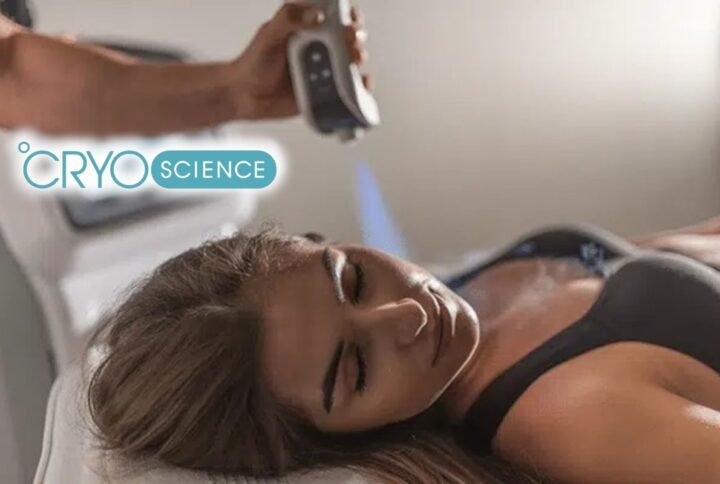
    Cold Therapy System is a portable cryotherapy device designed to deliver precise and effective cold therapy. Unlike traditional methods such as ice packs, this device uses liquid nitrogen to create extremely cold temperatures. The cold air is applied directly to specific areas of the body, providing targeted relief and benefits.

    This device is commonly used in sports recovery, medical treatments, and skincare routines. Its compact design and advanced technology make it ideal for clinics, spas, and even mobile use.

    How Does CryoScience Penguin Work?

    Cold Therapy System works by utilizing liquid nitrogen, which cools the air to temperatures as low as -160°C. When applied to the skin, the extreme cold triggers several natural responses in the body:

    1. Vasoconstriction: Blood vessels tighten to reduce inflammation and swelling.
    2. Pain Relief Cold Therapy System : The cold numbs the area, reducing pain signals to the brain.
    3. Improved Circulation: After the treatment, blood flow increases, delivering oxygen and nutrients to the treated area.
    4. Collagen Production: For beauty treatments, the cold stimulates collagen, improving skin elasticity and appearance.

    The device’s nozzle allows for precise application, ensuring that only the targeted area is affected.

    Benefits of CryoScience Penguin

    1. Faster Recovery from Sports Injuries

    Athletes and active individuals often use CryoScience Penguin to recover quickly from injuries. The cold therapy reduces swelling, inflammation, and muscle soreness. It is particularly effective for conditions such as:

    • Sprains and strains
    • Tendonitis
    • Post-workout soreness

    Imagine you twist your ankle while playing soccer. The CryoScience Penguin can cool the area quickly, helping the injury heal faster and reducing pain.

    2. Pain Management

    Cold therapy is an excellent way to manage chronic or acute pain. The Cold Therapy System can help with conditions such as:

    • Arthritis
    • Lower back pain
    • Migraines

    For example, if you have arthritis in your knees, the device can target the affected area, providing relief without the need for medication.

    3. Improved Skin Health

    One of the most popular uses of CryoScience Penguin is in beauty treatments. The cold therapy can:

    • Tighten skin
    • Reduce wrinkles
    • Shrink pores
    • Calm redness and irritation

    Cryo facials are a favorite among beauty enthusiasts because they leave the skin glowing and refreshed. Regular treatments can also help with acne and other skin issues.

    4. Boosted Energy and Mood

    Cryotherapy can stimulate the release of endorphins, the body’s “feel-good” chemicals. After a session, many people report feeling energized and in a better mood. This makes the Cold Therapy System not only a tool for physical recovery but also for mental well-being.

    5. Enhanced Performance for Athletes

    By reducing recovery time and preventing injuries, Cold Therapy System helps athletes perform at their best. Pre-game sessions can prepare muscles for activity, while post-game treatments reduce fatigue.

    6. Treating Skin Conditions

    The CryoScience Penguin is also used in dermatology to treat conditions like:

    • Warts
    • Psoriasis
    • Eczema

    The precise application of cold can remove warts or calm irritated skin without damaging surrounding tissue.

    Who Can Use CryoScience Penguin?

    The Cold Therapy System is versatile and safe for a wide range of users, including:

    • Athletes: For recovery and performance.
    • Beauty Enthusiasts: For skincare treatments.
    • Chronic Pain Sufferers: For pain relief.
    • Medical Professionals: For treating dermatological conditions.

    However, it is not suitable for everyone. People with certain medical conditions, such as severe heart problems, should consult a doctor before using cryotherapy.

    How to Use Cold Therapy System Safely

    Using the CryoScience Penguin is simple, but safety is key. Follow these tips to ensure effective and safe treatments:

    1. Trained Operator: Make sure the person using the device is trained and experienced.
    2. Proper Duration: Limit the treatment time to avoid overexposure to cold.
    3. Skin Protection: Avoid applying the cold directly to sensitive or damaged skin.
    4. Medical Supervision: Consult a professional if you have underlying health conditions.

    CryoScience Penguin vs. Traditional Cryotherapy

    CryoScience Penguin offers several advantages over traditional cryotherapy methods:

    • Precision: The nozzle allows for targeted application, unlike whole-body cryotherapy chambers.
    • Portability: Its compact design makes it easy to use in different settings.
    • Efficiency: The device cools the skin faster and more effectively than ice packs.

    Where to Find CryoScience Penguin Services

    CryoScience Penguin treatments are available in many clinics, spas, and sports facilities. Some professionals even offer mobile services, bringing the device to your home. When choosing a provider, look for certified operators and positive reviews.

    Is Cold Therapy System Worth It?

    If you are looking for a fast, effective, and versatile solution for recovery, beauty, or pain management, the Cold Therapy System is worth considering. Its advanced technology and wide range of benefits make it a valuable investment for both individuals and professionals.

    Conclusion

    The CryoScience Penguin is changing the way we think about cold therapy. From helping athletes recover faster to providing glowing skin, its benefits are truly remarkable. Whether you are dealing with an injury, chronic pain, or simply want to improve your appearance, this device has something to offer. Try Cold Therapy System today and experience the power of cryotherapy!

  • What is Cryo Penguin? : The Coolest Concept Explained

    What is Cryo Penguin? : The Coolest Concept Explained

    Have you ever heard the term Cryo Penguin and wondered what it means? The name itself sparks curiosity. It sounds like a mix of science, creativity, and something downright cool. In this article, we’ll explore the fascinating world of “Cryo Penguin,” diving into its meaning, potential uses, and why it’s such a unique concept.

    Cryo Penguin sale is that it can mean different things to different people. For some, it’s a fun imaginary creature.

    Could Cryo Penguins Be Real?

    Theramedicare.com – Now let’s imagine if Cryo Penguins existed in real life. Would they be special penguins that live in ultra-cold environments, even colder than Antarctica? Maybe they could survive being frozen solid like science fiction characters. Here are some fun ideas about what Cryo Penguins might be if they were real:

    1. Cryo-Powered Penguins: These penguins could have natural abilities to produce cold, like shooting icy breath or freezing water.
    2. Super-Resilient Species: Perhaps Cryo Penguins could live in temperatures so cold that no other animal could survive.
    3. Guardians of the Ice: They could be environmental heroes, protecting the ice caps from melting due to climate change.

    Even though these ideas are imaginary, they can inspire us to think creatively about animals and science.

    Cryo Penguin in Technology

    The phrase “Cryo Penguin” might not just be about penguins. It could also represent technology or innovation. Here’s how:

    1. In Computers

    Did you know the Linux operating system uses a penguin as its mascot? If someone created a version of Linux designed for high-tech freezing systems or cooling solutions, they might call it “Cryo Penguin.” It’s a fun way to combine a cute animal with advanced technology.

    2. Cryogenics in Science

    Cryogenics is already being used in medicine to preserve organs, vaccines, and even embryos for future use. A “Cryo Penguin” could symbolize a new breakthrough in this field, perhaps making these processes faster or more efficient.

    3. Robotics and AI

    Imagine a robotic penguin built for icy environments. It could help scientists explore glaciers, monitor wildlife, or even clean up pollution in the Arctic. Calling it “Cryo Penguin” would make it sound both scientific and friendly.

    Environmental Connection: Protecting the Penguins

    One way we could think about “Cryo Penguin” is as a reminder of how important it is to protect the environment. Penguins are already affected by global warming, as melting ice reduces their natural habitat. Here’s what we can learn:

    1. Rising Temperatures Threaten Penguins Penguins need ice to survive. As the Earth gets warmer, the ice melts, making it harder for them to find food and build nests.
    2. The Role of Cryogenics Cryogenics could help by preserving important resources, like ice cores, that scientists study to understand climate change.
    3. Inspiring Conservation A concept like “Cryo Penguin” can inspire kids and adults alike to take action. Whether it’s recycling, saving energy, or learning more about climate science, small actions can help.

    Cryo Penguin in Pop Culture

    If you love movies, games, or books, you’ve probably seen ideas like “Cryo Penguin” before. Here are some examples of how this idea could fit into pop culture:

    1. Video Games

    Imagine a game where you play as a Cryo Penguin. Your mission? Save the frozen world from melting by solving puzzles and defeating enemies. It’s a fun way to combine adventure with an important message.

    2. Movies and Cartoons

    Cryo Penguins could be the stars of a sci-fi movie or animated series. They could be explorers, heroes, or even villains in an icy universe.

    3. Merchandise

    From toys to clothing, Cryo Penguins would make a great theme. A cute plush penguin with icy blue features could be a hit with kids.

    A Fun Story About Cryo Penguins

    Let’s tell a short story:

    In the icy land of Frostonia, Cryo Penguins ruled the glaciers. These magical penguins could freeze anything with a flap of their wings. But one day, the ice began to melt because of a giant volcano that erupted nearby. The Cryo Penguins worked together, using their freezing powers to stop the lava and save their home.

    This story teaches us about teamwork, bravery, and the importance of protecting our planet.

    Why Cryo Penguin is a Great Concept for Everyone

    Whether you’re a kid, a teenager, or an adult, the idea of “Cryo Penguin” can spark your imagination. It combines:

    • Science: Learning about cryogenics and the environment.
    • Creativity: Thinking about futuristic penguins and their abilities.
    • Action: Taking steps to protect real penguins and their icy homes.

    You don’t have to be a scientist to appreciate this concept. Even simple things, like drawing your version of a Cryo Penguin or writing your story, can make it fun and engaging.

    How Can You Help Real Penguins?

    Let’s bring the focus back to the real-world penguins that live in cold environments. Here are some easy ways to help them:

    1. Save Energy: Use less electricity to reduce greenhouse gases.
    2. Recycle: Keep plastic and other waste out of the ocean.
    3. Learn and Share: The more people know about climate change, the more they can help.
    4. Support Wildlife Organizations: Donate or volunteer to help penguin conservation programs.

    What Does Cryo Penguin Mean to You?

    The beauty of “Cryo Penguin sale is that it can mean different things to different people. For some, it’s a fun imaginary creature. For others, it’s a symbol of science, technology, or environmental conservation. Whatever it means to you, one thing is clear: it’s a concept that gets people thinking.

    So, what will you do with the idea of Cryo Penguin? Will you draw one, write a story, or maybe even invent something cool? Let your imagination soar, just like a penguin sliding down the ice!

  • Calmare: What is the New Treatment for Chronic Pain?

    Calmare: What is the New Treatment for Chronic Pain?

    Chronic pain is a condition that many people face every day. It can be caused by injuries, diseases, or even stress. For those who suffer from chronic pain, finding effective treatment can be challenging. One of the new treatments that have gained attention is called Calmare. In this article, we will explore what Calmare is, how it works, its benefits, and who can benefit from it.

    Understanding Chronic Pain

    Electrode Placement

    What is Chronic Pain?

    Chronic pain is pain that lasts for a long time, often more than three months. Unlike regular pain, which usually goes away after an injury heals, chronic pain can continue even when there is no obvious cause. It can feel like a dull ache, sharp pain, or even a burning sensation.

    Common Causes of Chronic Pain

    There are many reasons why someone might experience chronic pain. Some common causes include:

    • Injuries: Past injuries, like a broken bone or a sprain, can lead to ongoing pain.
    • Medical Conditions: Diseases like arthritis, fibromyalgia, and diabetes can cause chronic pain.
    • Nerve Damage: Sometimes, nerves can get damaged, leading to pain that doesn’t go away.

    What is Calmare Therapy?

    Calmare

    Introduction to Calmare Therapy

    Calmare is a non-invasive treatment designed to help people manage chronic pain. It was developed to offer an alternative to traditional pain management methods, such as medications and surgeries. The main goal of therapy non-invasive is to relieve pain without using drugs.

    How Calmare Works

    therapy non-invasive uses a special device that sends electrical signals to the nerves. Here’s how it works in simple terms:

    1. Electrode Placement: The doctor places small pads called electrodes on your skin near the area where you feel pain.
    2. Sending Signals: The Calmare device sends out low-frequency electrical signals. These signals are designed to mimic the way nerves normally work.
    3. Blocking Pain Signals: The electrical signals confuse the pain signals that are trying to reach your brain. This means that your brain doesn’t get the message that you are in pain.

    What Makes Calmare Different?

    Unlike many other pain treatments, Calmare does not involve surgery or medication. This makes it a safer option for many people. It also means that patients can return to their daily activities quickly after treatment.

    Benefits of Calmare Therapy

    Non-Invasive Treatment

    One of the biggest advantages of Calmare therapy is that it is non-invasive. This means that it does not require any cuts or needles. Patients can receive treatment without the risks associated with surgery.

    Minimal Side Effects

    Many traditional pain medications can have side effects, such as drowsiness or nausea. With therapy non-invasive, most patients experience very few side effects. This makes it a safer option for those who are sensitive to medications.

    Quick Treatment Sessions

    Calmare therapy sessions are relatively short, usually lasting between 30 to 45 minutes. This means that patients can fit them into their busy schedules without much hassle.

    Immediate Relief

    Some patients report feeling relief from pain right after their first session. While results can vary, many people notice significant improvements after just a few treatments.

    Who Can Benefit from Calmare Therapy?

    Ideal Candidates for Calmare

    Calmare therapy may be suitable for various individuals, including:

    • People with Neuropathic Pain: This type of pain is caused by damage to the nerves and can be very difficult to treat.
    • Patients with Fibromyalgia: Fibromyalgia is a condition that causes widespread pain and fatigue.
    • Individuals with Post-Surgical Pain: After surgery, some people experience lingering pain that Calmare may help relieve.
    • Those with Complex Regional Pain Syndrome (CRPS): This is a chronic pain condition often affecting the arms or legs.

    Is Calmare Right for Everyone?

    While Calmare can be beneficial for many, it may not be suitable for everyone. It’s essential for individuals to consult with a healthcare provider to determine if this treatment is right for them.

    What to Expect During a Calmare Session

    The Treatment Process therapy non-invasive

    If you decide to try therapy non-invasive, here’s what you can expect during a session:

    1. Initial Consultation: Before starting treatment, you will meet with a healthcare provider to discuss your pain and medical history.
    2. Electrode Application: The provider will place the electrodes on your skin in the area where you feel pain.
    3. Treatment Begins: The Calmare device will be activated, and you will feel mild electrical sensations. It should not be painful.
    4. Session Duration: Each session lasts about 30 to 45 minutes. You can relax during this time, perhaps listening to music or reading.

    After the Session

    Most patients can resume their regular activities immediately after a Calmare session. Some may experience temporary soreness, but this usually goes away quickly.

    Real-Life Experiences with Calmare

    Patient Testimonials

    Many individuals have shared their experiences with Calmare therapy. Here are a few testimonials:

    • Sarah, 34: “I had been living with chronic back pain for years. After just a few sessions of therapy non-invasive, I felt like I could finally move without discomfort!”
    • James, 45: “I was skeptical at first, but Calmare really helped reduce my nerve pain. I’m so grateful for this treatment!”

    Success Rates

    While individual results can vary, studies have shown that many patients experience significant pain relief after undergoing therapy non-invasive therapy. It is essential to remember that results can depend on the type and duration of pain.

    Conclusion

    Calmare therapy is an innovative and non-invasive treatment option for those suffering from chronic pain. With its unique approach and minimal side effects, it offers hope for many individuals who have struggled to find relief through traditional methods. If you or someone you know is dealing with chronic pain, consider discussing Calmare therapy with a healthcare professional. It could be the solution you’ve been looking for!