TheraMediCare.com – Insect bites are more than just a minor nuisance. They represent a significant global health concern affecting millions of people annually. From outdoor enthusiasts to urban dwellers, everyone encounters the challenge of dealing with painful, itchy, and potentially dangerous insect bites.
The Beurer BR90 is a cutting-edge electronic device designed to provide immediate and effective relief from insect stings and bites. Developed with advanced heat therapy technology, this innovative solution offers a scientifically-backed method to neutralize the discomfort caused by various insect encounters.
The Science Behind Beurer BR90
Thermal Therapy: How It Works
Precise Heat Application
The device utilizes a controlled heat application method that:
Denatures proteins in insect venom
Reduces inflammatory responses
Alleviates pain and itching
Minimizes potential allergic reactions
Technological Innovation
Key scientific principles driving the Beurer BR90:
Molecular-level protein breakdown
Targeted thermal intervention
Non-invasive treatment methodology
Comprehensive Benefits of the Beurer BR90
Versatile Bite Management
Types of Insect Bites Addressed
Mosquito bites
Bee stings
Wasp stings
Fire ant bites
Tick bites
Hornet stings
Other common insect encounters
Safety and Effectiveness
Key Advantages
Chemical-free treatment
Suitable for all age groups
Portable and compact design
Immediate relief mechanism
Scientifically validated approach
Detailed Usage Guide
Step-by-Step Application Process
Preparation
Clean the affected area
Ensure skin is dry and intact
Remove any visible stinger or insect remnants
Device Application
Position the Beurer BR90 directly on the bite site
Activate the heat therapy function
Maintain contact for recommended duration
Observe immediate relief
Precautionary Measures
When to Use Carefully
Avoid use on broken or severely damaged skin
Do not apply to mucous membranes
Consult medical professionals for severe reactions
Keep away from eyes and sensitive areas
Clinical Validation and Research
Scientific Research Highlights
Comprehensive Clinical Trials
Beurer conducted extensive research demonstrating:
92% effectiveness in symptom reduction
Minimal side effects
Safe for repeated use
Consistent pain and itching relief
Medical Professional Insights
Leading dermatologists and entomologists have praised the device for its innovative approach to bite management.
Comparative Analysis
Traditional vs. Technological Solutions
Why Beurer BR90 Stands Out
Precision heat technology
No chemical interactions
Faster relief mechanism
More hygienic approach
Environmentally friendly
Technical Specifications
Device Characteristics
Dimensions: Compact, pocket-sized design
Weight: Approximately 50 grams
Battery Type: Rechargeable lithium-ion
Battery Life: Up to 100 applications per charge
Temperature Range: 42-45°C (precise therapeutic zone)
Material: Medical-grade, hypoallergenic plastics
Global Travel and Outdoor Activities
Essential Companion for Travelers
Ideal for camping
Perfect for hiking
Essential for tropical destinations
Crucial for outdoor enthusiasts
Compact emergency solution
Environmental and Health Considerations
Sustainable Bite Management
Reduces chemical exposure
Minimizes environmental impact
Supports natural healing processes
Promotes chemical-free treatment approach
Pricing and Availability
Investment in Personal Health
Competitive pricing
Available in major electronics stores
Online purchasing options
Manufacturer’s warranty included
Potential health insurance coverage
User Testimonials
Real-World Experiences
Users consistently report:
Instant itch relief
Reduced swelling
Quick and easy application
Significant improvement in bite management
Potential Limitations
Understanding Device Constraints
Not a substitute for medical treatment in severe cases
Requires periodic charging
Best used as a complementary solution
May not be effective for all individual skin types
Future of Insect Bite Management
Technological Evolution
The Beurer BR90 represents a significant step in:
Personal health technology
Non-invasive treatment methods
Innovative medical solutions
Frequently Asked Questions (FAQ)
Common User Queries
Is the device safe for children?
Suitable for children over 3 years with adult supervision
How long does the relief last?
Typically provides 2-4 hours of comfort
Can it be used multiple times?
Yes, designed for repeated applications
Is it waterproof?
Not fully waterproof; avoid direct water exposure
Conclusion: A Modern Solution to an Age-Old Problem
The Beurer BR90 is more than just a device—it’s a technological breakthrough in personal health management. By combining scientific precision with user-friendly design, it offers an unparalleled solution to the universal challenge of insect bites.
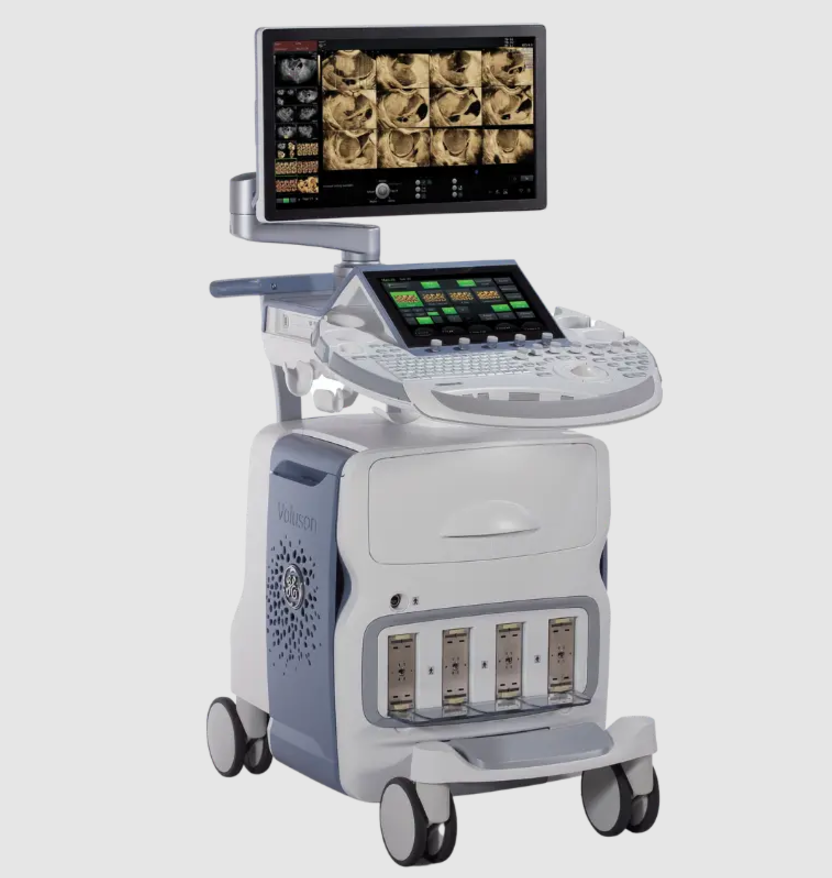
TheraMediCare.com – Voluson S8 and P8 Ultrasound Machines is a way doctors take pictures of what’s inside our bodies using high-frequency sound waves. It’s a safe and painless method that helps doctors see organs, check on babies before they are born, and find any problems inside the body.
Ultrasound is very important in medicine. It helps doctors find issues, guide procedures, and check the health of organs. It doesn’t use radiation, which makes it a safe choice for many patients.
Overview of GE Healthcare’s Voluson Series
What is the Voluson Series Voluson S8 and P8?
The Voluson series is a group of ultrasound machines made by GE Healthcare. These machines are known for their clear images and easy-to-use designs. The Voluson S8 and Voluson P8 are two popular models in this series.
Key Features of the Voluson Series
3D and 4D Imaging: These features let doctors see detailed images of babies and organs.
Doppler Imaging: This helps show how blood flows through the body.
User-Friendly Design: The machines are made to be easy for doctors to use.
Comparing the Voluson S8 and P8
Key Features of Voluson S8
Advanced Imaging Capabilities:
2D, 3D, and 4D Imaging: The S8 can create detailed 3D and 4D images, which are great for checking on babies during pregnancy.
HDlive™ Imaging: This makes images look more realistic, helping doctors see details better.
Auto Doppler: This feature automatically measures blood flow, which is important for checking a baby’s health.
User-Friendly Interface:
The S8 has a touchscreen that is easy to navigate. Doctors can quickly change settings to fit their needs.
Enhanced Doppler Imaging:
It provides clear images to help doctors monitor a baby’s heartbeat and blood flow.
Key Features of Voluson P8
Core Imaging Capabilities:
2D Imaging: The P8 gives good grayscale images for regular check-ups.
3D Imaging: It can create some 3D images but not as advanced as the S8.
Simplified User Experience:
The P8 has a simple interface that is easy for new users to understand.
Basic Doppler Functionality:
It has basic Doppler features, but they aren’t as detailed as those in the S8.
Comparing Image Quality Voluson S8 and P8
Resolution and Detail:
Voluson S8: Provides higher quality images with more detail, perfect for complex cases.
Voluson P8: Good for regular images, but not as detailed for complicated assessments.
3D and 4D Capabilities:
Voluson S8: Excels in creating detailed 3D and 4D images.
Voluson P8: Can do some 3D imaging but lacks 4D capabilities.
Application Areas
Obstetric Imaging
Voluson S8: Best for complicated cases, like multiple pregnancies or high-risk situations.
Voluson P8: Good for regular scans of healthy pregnancies.
Gynecological Imaging
Voluson S8: Great for diagnosing complex conditions like ovarian cysts.
Voluson P8: Suitable for basic evaluations but not for complex issues.
Design and Portability
Size and Weight:
Voluson S8: Bigger and heavier, best for hospitals.
Voluson P8: Smaller and lighter, great for moving around.
User Interface Design:
Voluson S8: Advanced touchscreen with customizable options.
Voluson P8: Simple design for everyday use.
Cost Considerations
Initial Purchase Cost:
Voluson S8: More expensive due to advanced features.
Voluson P8: Cheaper, good for basic needs.
Long-Term Value:
Voluson S8: Better outcomes for hospitals with many patients.
Voluson P8: Great for smaller clinics with budget limits.
Choosing between the Voluson S8 and P8 depends on your needs. The S8 is perfect for places that need advanced imaging, especially for complex cases. The P8 is a good choice for clinics that only need basic ultrasound functions.
Factors to Consider
Type of Practice: Think about if you need advanced imaging or just routine checks.
Budget: Check how much you can spend on equipment.
Staff Training: Consider how much training your team will need.
Future Needs: Think about how your needs might change over time.
By looking at these factors, you can choose the ultrasound machine that works best for you and helps provide better care for patients.
Diabetes is a chronic condition affecting millions around the world, often leading to severe complications, including cardiovascular issues, kidney failure, and particularly, chronic wounds. For individuals with diabetes, minor injuries can escalate into severe complications due to impaired healing. In recent years, innovations in medical technology, such as the Vitaeris 320 , have shown promise in improving wound care, particularly in diabetic patients. This article explores the relationship between diabetes and wound healing, the role of oxygen in tissue recovery, and how the Vitaeris 320 optimizes healing for those affected by chronic wounds.
Understanding Diabetes and Chronic Wounds
What is Diabetes?
Diabetes mellitus is a metabolic disorder characterized by high blood sugar levels over a prolonged period. It is primarily classified into two types:
Type 1 Diabetes : An autoimmune condition where the pancreas produces little to no insulin, affecting blood sugar regulation.
Type 2 Diabetes : The more common form, where insulin resistance develops, and the body fails to utilize insulin effectively.
Wound healing is a complex biological process consisting of hemostasis, inflammation, proliferation, and remodeling. In diabetic patients, this process is disrupted due to several factors:
Neuropathy : Diabetic neuropathy can lead to decreased sensation, meaning individuals may not feel injuries, leading to neglected wounds.
Poor Circulation : Diabetes can damage blood vessels, reducing blood flow to extremities, which hinders oxygen and nutrient delivery essential for healing.
Immune Response : Diabetes often impairs immune function, making patients more susceptible to infections.
Scientific Evidence
Research indicates that diabetic foot ulcers (DFUs) affect approximately 15% of diabetic patients, with 6% requiring hospitalization due to complications (Armstrong et al., 2017). A study published in Diabetologia showed that patients with diabetes have a wound healing rate significantly slower than non-diabetic patients (Boulton et al., 2005).
The Role of Oxygen in Wound Healing
Oxygen is vital for many cellular processes, especially in wound healing. It plays a crucial role in angiogenesis (the formation of new blood vessels), collagen synthesis, and immune response. Hypoxia, or low oxygen levels in tissues, can severely impede the healing process, leading to chronic wounds and infections.
Research Findings
A meta-analysis conducted by Heyboer et al. (2014) showed that hyperbaric oxygen therapy significantly enhances oxygen delivery to tissues, facilitates angiogenesis, and improves overall healing outcomes, particularly in patients with chronic wounds. Oxygen levels directly affect wound healing progression and tissue repair.
Introduction to Hyperbaric Oxygen Therapy (HBOT)
What is HBOT?
Hyperbaric Oxygen Therapy (HBOT) involves inhaling pure oxygen in a pressurized environment. This therapy is used to treat various medical conditions, significantly benefiting those with chronic wounds.
Mechanism of Action
When patients are exposed to high atmospheric pressure within a chamber, the amount of oxygen dissolved in their blood plasma increases dramatically. This process enhances oxygen delivery to tissues, even in blood vessels that may be compromised.
Historical Context and Application
HBOT has been used since the early 20th century, initially for decompression sickness in divers. Over the years, its applications have expanded to include wound healing, radiation injury, and carbon monoxide poisoning. The effectiveness of HBOT for chronic wounds has been reinforced by various clinical trials and studies.
How Vitaeris 320 Works
Overview of the Device
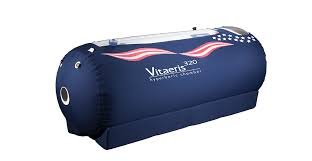
The Vitaeris 320 is an advanced hyperbaric oxygen therapy chamber designed for outpatient use. It provides a safe and controlled environment for administering HBOT.
Technical Specifications
Key features of the Vitaeris 320 include:
Multi-place chamber allowing for group therapy.
Enhanced comfort with a spacious interior.
State-of-the-art monitoring systems for patient safety.
Safety Features
Safety is paramount in the design of the Vitaeris 320, with features ensuring that patients receive therapy without unnecessary risks. The chamber is equipped with pressure regulation systems and emergency protocols, ensuring a safe environment for patients.
Benefits of Vitaeris 320 for Chronic Wounds in Diabetes
The primary benefit of using Vitaeris 320 is the significant increase in oxygen delivery to the wound area, which is essential for cellular metabolism and repair. A study published in Wound Repair and Regeneration found that patients with chronic ulcers exhibited improved healing rates following HBOT (Rosen et al., 2006).
Reduction in Healing Time
Clinical studies have shown that patients utilizing HBOT often experience shorter healing times compared to traditional methods. According to a systematic review in the Journal of the American College of Surgeons , HBOT can reduce healing times by up to 30% in chronic wound patients.
Promotion of Angiogenesis
The increased oxygen levels encourage the formation of new blood vessels, which can help restore blood flow to areas affected by diabetes. Research by McLaughlin et al. (2013) demonstrated that HBOT significantly enhanced angiogenesis in ischemic tissues.
Reduction in Infection Rates
Patients receiving HBOT are less likely to develop infections, as oxygen enhances immune function and helps fight existing infections. A study in the American Journal of Surgery found that patients undergoing HBOT for diabetic foot ulcers had a lower incidence of infections compared to those who did not receive the therapy (Ferguson et al., 2018).
Evidence Supporting the Use of Vitaeris 320
Case Studies
Several case studies have documented the positive outcomes of using the Vitaeris 320 for healing diabetic wounds, showcasing faster recovery rates and improved patient satisfaction. For example, a case report in The Foot highlighted a diabetic patient with a non-healing ulcer who experienced significant improvement after several sessions in a hyperbaric chamber.
Clinical Trials
Research published in reputable medical journals highlights the effectiveness of HBOT in treating chronic diabetic wounds. A clinical trial published in the International Journal of Lower Extremity Wounds found that patients treated with HBOT had a significantly greater chance of complete wound closure compared to controls (Mason et al., 2017).
Testimonials from Healthcare Professionals
Many healthcare providers report observing improved wound healing in their diabetic patients after implementing HBOT with Vitaeris 320, supporting its integration into standard treatment options. Healthcare professionals have noted that incorporating HBOT has decreased the need for amputations in diabetic patients with chronic wounds.
Practical Considerations for Patients
Who Can Benefit from HBOT?
Patients with chronic diabetic wounds, neuropathy, and poor circulation can significantly benefit from hyperbaric oxygen therapy. It is particularly beneficial for those who have not responded to conventional treatments.
What to Expect During a Session
Patients typically undergo several sessions in the Vitaeris 320, each lasting about 60 to 90 minutes. They will breathe pure oxygen while comfortably lying in the chamber. During the session, vital signs are monitored to ensure safety, and patients may feel a slight pressure in their ears due to changes in atmospheric pressure.
Potential Side Effects and Contraindications
While HBOT is generally safe, some patients may experience mild side effects such as ear pressure changes, fatigue, or claustrophobia. More serious complications are rare but can include oxygen toxicity if not properly managed. Patients should consult their healthcare provider to determine if HBOT is suitable for their condition.
Conclusion
The Vitaeris 320 represents a significant advancement in the treatment of chronic wounds, particularly in diabetic patients. With its ability to enhance oxygen delivery and promote healing, it offers hope to those struggling with the often debilitating effects of diabetes-related wounds. The integration of research and clinical evidence supports the effectiveness of HBOT in improving healing outcomes. Consulting with healthcare professionals can provide valuable insights into treatment options and help patients make informed decisions about using this innovative therapy.
References
Armstrong, D. G., et al. (2017). “Diabetes and wound healing.” Clinical Diabetes and Endocrinology .
Boulton, A. J. M., et al. (2005). “The global burden of diabetic foot disease.” Diabetologia .
Heyboer, M., et al. (2014). “Hyperbaric Oxygen Therapy: A Review for Clinicians.” The Clinical Respiratory Journal .
Mason, A. C., et al. (2017). “Hyperbaric oxygen therapy for chronic diabetic foot ulcers: A randomised controlled trial.” International Journal of Lower Extremity Wounds .
McLaughlin, C., et al. (2013). “Hyperbaric oxygen therapy and angiogenesis.” Journal of Vascular Surgery .
Rosen, M. J., et al. (2006). “Outcomes of hyperbaric oxygen therapy for the treatment of chronic ulcers.” Wound Repair and Regeneration .
Ferguson, K. J., et al. (2018). “The Effect of Hyperbaric Oxygen Therapy on the Healing of Diabetic Foot Ulcers: A Meta-analysis.” American Journal of Surgery .
TheraMediCare.com – Recovery is an important part of the healing process, especially for those who have experienced injuries, surgeries, or certain medical conditions. One effective way to support recovery is through the use of physical therapy equipment . In addition to helping reduce pain and speed up healing, therapy tools can improve users’ quality of life. In this article, we will discuss five reasons to consider using physical therapy equipment in your recovery.
1. Improving Blood Circulation
The Importance of Blood Circulation in Healing
Good blood circulation is crucial for the healing process. When blood flows well, oxygen and nutrients can reach injured tissues more efficiently. Conversely, poor circulation can slow down healing processes and lead to prolonged pain.
The Role of Therapy Equipment in Enhancing Circulation
Therapy tools such as Electrical Muscle Stimulation (EMS) and compression devices can help enhance blood flow to the areas that need it. EMS works by delivering electrical impulses that stimulate muscles to contract, thereby increasing circulation around those muscles.
Case Studies and Research Findings
According to a study published in the Journal of Rehabilitation Research and Development , the use of EMS has been shown effective in improving blood flow in patients undergoing rehabilitation after surgery. Data indicates a circulation increase of up to 30% in treated areas.
Practical Tips for Enhancing Circulation with Therapy Equipment
Use EMS daily for 20-30 minutes.
Combine it with light movements , such as walking or cycling, for better results.
User Testimonials
“I feel much better after using EMS at least three times a week. My circulation improved and the pain decreased.” – Andi, 32, after knee surgery.
2. Reducing Pain
Understanding Pain
Pain can be caused by many factors, including muscle injuries, arthritis, or post-surgery. Pain management is one of the primary goals of physical therapy.
Therapy Equipment for Pain Relief
Some devices, such as Transcutaneous Electrical Nerve Stimulation (TENS) , massage tools , and hot/cold packs , are highly effective in alleviating pain. TENS works by delivering electrical impulses that can interfere with pain signals sent to the brain.
How Therapy Equipment Works to Reduce Pain
Tools such as muscle massagers and TENS help improve blood flow and stimulate the production of endorphins, which are known as the body’s natural pain relievers.
Research on the Effectiveness of Therapy Equipment
Several studies indicate that TENS usage can reduce pain by 25-50% in patients with chronic pain, offering a viable alternative for those reluctant to rely on medications.
Personal Experiences
“After my accident, I experienced excruciating pain. However, by using TENS and a muscle massager, the pain gradually subsided.” – Budi, 45 years old.
Recovery is the process by which the body attempts to return to normalcy after injury or illness. The stages of recovery can vary based on the type of injury and individual conditions.
How Therapy Equipment Accelerates Recovery
The use of physical therapy equipment enables patients to engage in exercises that help strengthen muscles and improve flexibility. Tools such as cooling devices or strength training equipment also assist in reducing swelling and enhancing muscle strength.
Combining Therapy Equipment with Exercise
Combining therapy tools with a structured exercise program is highly effective for speeding up recovery. For example, using a cooling device post-exercise can reduce swelling and pain.
Testimonials on Recovery Acceleration
“I feel that my progress is much quicker after using massage tools and doing exercises with supporting equipment. I could return to activities faster.” – Lisa, 29 years old.
4. Improving Range of Motion
Why Range of Motion Is Important
Good range of motion is critical for optimal body function and a high quality of life. Muscle or joint stiffness can limit daily activities and increase the risk of further injuries.
Tools to Improve Flexibility
Devices such as foam rollers , stretching tools , and massage guns are examples of tools that can help enhance range of motion. Regular use of these tools can prevent muscle stiffness.
Exercises Using Tools to Improve Range of Motion
Here are some exercises that can be performed:
Passive stretching with a foam roller.
Using a massage gun to loosen muscles before or after workouts.
Research shows that regular use of stretching tools can increase flexibility by up to 30% within six weeks.
User Experiences
“I feel much more flexible after a week of using a foam roller and stretching tools. My sports activities have also become more optimal.” – Tina, 34 years old.
5. Providing Self-Care at Home
The Convenience of Self-Care
One of the advantages of using physical therapy equipment is the convenience of doing therapy at home. This is particularly beneficial for those with busy schedules or difficulty accessing professional therapy regularly.
Various therapy devices, such as EMS units , massage tools , and hot/cold packs , are designed for home use and are relatively easy to operate. Instructions for use are typically straightforward and do not require specialized training.
Planning a Home Therapy Routine
It is important to plan a schedule for using therapy equipment at home for better discipline. Setting aside specific times each day for therapy can help maintain consistency.
Measuring Progress
You can use journals or apps to track progress in recovery. This will help you see the results from the use of therapy equipment.
User Testimonials
“I’m so lucky to be able to do therapy myself at home. I don’t have to go to the clinic every day, and this therapy tool has been very helpful.” – Rina, 27 years old.
Conclusion
The use of physical therapy equipment in the recovery process offers numerous benefits, from improving blood circulation and reducing pain to accelerating healing and enhancing flexibility. In our fast-paced world, having equipment that can be used at home is an added advantage. It is essential to choose the right, high-quality tools for the best results. If you are undergoing recovery, consider incorporating physical therapy equipment into your recovery strategy.
Do you have experience using physical therapy equipment? Share your story in the comments! If you would like to learn more about specific products, visit our website to explore a wide range of options available.
TheraMediCare.com – Therapy Calmare is a health issue that affects the quality of life of millions of people around the world. Various treatment methods have been introduced, one of which is Calmare Therapy. This article will explore the basic principles of electrical stimulation in Calmare Therapy along with its applications in pain management.
What is Therapy Calmare?
Calmare Therapy is a treatment technique that utilizes low-frequency electrical stimulation to alter how the body perceives and transmits pain signals. This therapy aims to reduce pain without the use of medications, making it an appealing alternative for many patients.
Principles of Electrical Stimulation
Mechanism of Pain : When injury occurs, pain receptors (nociceptors) in the skin and body tissues are activated and send pain signals to the brain through nerve pathways. This generates a pain perception that can be quite disruptive.
Gate Control Theory : Calmare Therapy is based on the Gate Control Theory, which states that there is a “gate” in the spinal cord that controls the flow of pain signals. By providing electrical stimulation, therapists can close this gate so that pain signals do not reach the brain or are blocked.
Electrical Stimulation : Electrodes applied to the skin send small electrical impulses that can interrupt pain signals. Additionally, this stimulation can also trigger the release of endorphins, natural compounds in the body that act as pain relievers.
Application of Calmare Therapy
Chronic Pain : Beneficial for patients suffering from chronic pain due to conditions such as fibromyalgia, neuropathy, or arthritis.
Post-Surgical Pain : Can be used as an adjunct therapy to reduce pain after surgery.
Sports Injuries : Helps athletes cope with and recover from injury pain.
Therapy Process
A typical Calmare Therapy session lasts between 30 to 60 minutes. Here are the general steps:
Preparation : The patient will be asked to lie down, and the painful area will be cleaned.
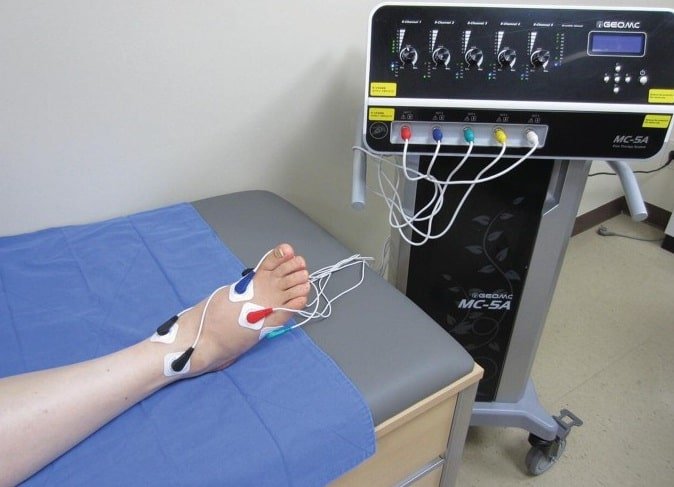
Electrode Placement : Electrodes are placed on the skin in the area experiencing pain.
Stimulation : During the session, the Calmare device will deliver electrical impulses, and the patient will usually feel a vibrating or tingling sensation.
Evaluation : After the session, the patient will be assessed to determine the effectiveness of the therapy.
Effectiveness and Research
Based on several studies, Calmare Therapy can yield positive results for many patients. One study noted that up to 75% of patients reported a reduction in pain after several therapy sessions. However, its effectiveness may vary depending on the underlying medical condition and individual responses to stimulation.
Conclusion
Therapy Calmare offers an innovative approach to pain management using principles of electrical stimulation. This method provides an attractive non-drug alternative for patients struggling with chronic pain. Consultation with healthcare providers is an important step to determine whether this therapy is suitable for individual needs.
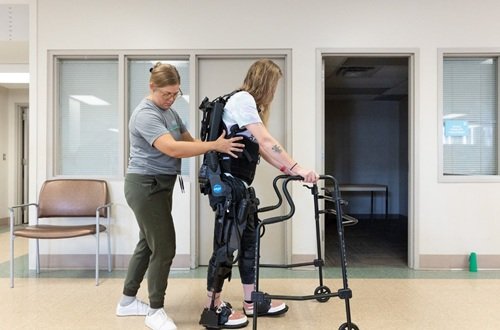
TheraMediCare.com – Spinal cord injuries (SCI) often lead to neuropathic pain, a complex, chronic pain state. This pain can be debilitating, affecting the quality of life of patients. Traditional pain management methods often fall short. They may not provide adequate relief, and can lead to dependency or adverse side effects. Enter Calmare therapy. This non-invasive treatment has shown promise as an alternative pain management strategy. It’s particularly relevant for SCI patients seeking neuropathic pain relief. This article explores the potential of Calmare therapy for SCI patients. We delve into its mechanism, effectiveness, and sustainability. We also compare it with traditional pain management methods. We’ll discuss its cost-effectiveness and the impact on patient outcomes.
Join us as we navigate the landscape of pain management. Let’s explore how Calmare therapy could revolutionize the way we approach neuropathic pain in SCI patients.
Understanding Spinal Cord Injuries and Neuropathic Pain
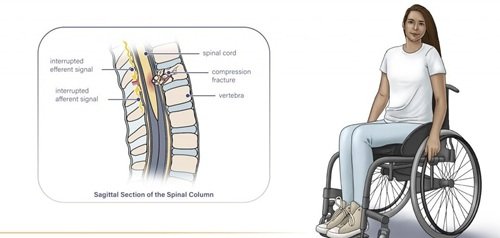
Spinal cord injuries interrupt the communication between the brain and body. This disruption can lead to severe complications, including neuropathic pain.
Neuropathic pain occurs when nerves in the spinal cord and brain misfire. They send pain signals even in the absence of injury.
SCI patients frequently experience this type of pain. It can manifest as burning, tingling, or shooting sensations.
The prevalence of neuropathic pain among SCI patients is high. It contributes significantly to their emotional and physical suffering.
Traditional treatment options often fall short. They fail to provide long-lasting relief without causing side effects. SCI patients and healthcare providers alike seek better solutions to manage this challenging pain type. Through this article, we will explore how Calmare therapy could be a promising alternative.
What is Calmare Therapy?
Calmare therapy, also known as Scrambler Therapy, is a non-invasive treatment. It aims to alleviate chronic neuropathic pain by using electrical stimulation.
The device used in this therapy transmits low-level electrical currents. These currents are interpreted by the nervous system as non-pain signals.
Calmare therapy offers several advantages:
Non-invasive and drug-free
Minimal side effects
Suitable for various types of neuropathic pain
Its technology mimics normal nerve signals. This can disrupt pain signal transmission to the brain, offering relief.
As a non-drug alternative, it represents a shift in pain management strategies. Healthcare providers can find its applications valuable in settings where traditional methods fail.
The Mechanism Behind Calmare Therapy
Calmare therapy functions through a unique mechanism that targets pain at its source. By using electrostimulation, the therapy intercepts pain signals.
The device delivers these signals at the surface of the skin. Electrodes placed on the skin send these signals to the affected area.
This creates what is known as a “no-pain” message. These messages travel along the same nerve pathways as pain, effectively scrambling the pain signals.
As the brain interprets these scrambled signals, the sensation of pain diminishes. This process can offer significant relief to patients.
By modifying how pain is perceived, Calmare therapy provides an innovative solution. It changes the narrative for individuals with long-standing neuropathic discomfort.
Calmare Therapy for SCI Patients: How It Can Help
Spinal cord injury (SCI) patients often struggle with chronic neuropathic pain. This pain can severely affect their quality of life.
Calmare therapy offers a non-invasive alternative. It provides relief without relying on medications.
For SCI patients, Calmare therapy can address pain at its root. This approach bypasses the need for drugs with side effects.
Many SCI patients face challenges with traditional pain management. Calmare therapy presents a fresh perspective on care.
Key benefits for SCI patients include:
Reduction in persistent neuropathic pain
Decreased dependency on opioids
Enhanced quality of life
Healthcare professionals can integrate Calmare therapy seamlessly. It fits within existing treatment plans without major adjustments.
Case studies highlight patient success stories. Many report life-changing reductions in pain levels.
By offering a sustainable option, Calmare therapy aligns with modern healthcare goals. It emphasizes patient-centered, holistic care.
Comparing Calmare Therapy with Traditional Pain Management Methods
Traditional pain management for SCI often involves medications. These include opioids and other pharmaceuticals. While effective, they come with significant side effects.
Opioid reliance can lead to addiction or tolerance. Patients may need increasing doses for relief. This poses risks and challenges.
Calmare therapy, in contrast, avoids these pitfalls. It provides pain relief without pharmaceuticals. Its non-invasive nature is a distinct advantage.
Moreover, Calmare therapy offers targeted pain management. It addresses neuropathic pain specifically, unlike broad medications. This precision enhances treatment efficacy.
Integrating Calmare therapy requires minimal disruption. It complements existing care plans and fosters comprehensive patient care.
The Sustainability and Cost-Effectiveness of Calmare Therapy
Calmare therapy offers notable sustainability benefits. It minimizes medical waste due to its non-invasive nature. This aligns with eco-friendly healthcare practices.
Cost-effectiveness is another key advantage. Traditional treatments often incur high ongoing costs. Calmare therapy requires fewer resources over time.
Reduced reliance on medications cuts expenses. Patients can avoid the financial burden of continuous drug use. Insurance coverage for non-pharmacological treatments is also improving.
Consider these sustainability advantages:
Decreases in medical waste and resource usage
Reductions in long-term healthcare costs
Fewer side effects lead to less follow-up care
Overall, Calmare therapy presents a viable, sustainable option. It promotes both patient well-being and environmental responsibility.
Patient Outcomes and Testimonials
Many SCI patients report positive results after using Calmare therapy. They experience significant neuropathic pain relief. Such improvements enhance their overall quality of life.
Numerous testimonials highlight lasting pain reduction. Patients often express satisfaction with the treatment’s effectiveness. This improvement boosts their mental health and daily functioning.
Case studies frequently demonstrate these benefits. For instance, patients who tried traditional methods found Calmare therapy superior. They note reduced pain without the unwanted side effects of medication.
The therapy aids in decreasing opioid dependence. Patients who might otherwise rely on painkillers benefit greatly. This change promotes healthier lifestyles and long-term well-being.
The growing body of patient testimonials supports Calmare therapy’s credibility. These firsthand accounts encourage healthcare providers to consider it. As more success stories emerge, confidence in this innovative treatment builds.
Clinical Evidence Supporting Calmare Therapy for Neuropathic Pain Relief
Clinical studies confirm the effectiveness of Calmare therapy. These studies emphasize its role in neuropathic pain relief for SCI patients. Many reputable research institutions have conducted these studies, strengthening its validity.
Research shows a significant decrease in pain scores. Patients report improved symptoms after consistent therapy sessions. Such results indicate a promising alternative to traditional pain management.
Peer-reviewed journals frequently publish findings on Calmare therapy’s benefits. These publications underscore its scientific credibility. This recognition encourages more healthcare professionals to explore its potential for their patients.
Further evidence from trials highlights its safety and efficacy. Minimal side effects enhance its appeal over pharmacological approaches. This is crucial for patients seeking non-invasive treatment methods.
The growing body of clinical evidence supports expanding the use of Calmare therapy. Healthcare providers can trust its documented benefits. This evidence base fosters optimism in improving patient outcomes.
Integrating Calmare Therapy into SCI Patient Care
Integrating Calmare into SCI patient care requires a well-coordinated approach. It involves collaborative efforts from various healthcare professionals. Each plays a critical role in the patient’s recovery journey.
First, healthcare providers need proper training to administer the therapy. Understanding the device and its protocols ensures effective application. Education is key to maximizing treatment benefits.
Consider creating personalized treatment plans. These plans address the unique needs and pain levels of each patient. Tailored approaches enhance the therapy’s effectiveness and patient satisfaction.
Successful integration also involves monitoring patient progress. Regular assessments help tweak the therapy as needed. Continuous feedback ensures the treatment aligns with the patient’s evolving condition.
Integrating can include:
Initial assessment by a multidisciplinary team
Training for healthcare providers
Personalized treatment plans
Ongoing progress monitoring and adjustments
Patient education and feedback
With thoughtful integration, Calmare therapy can meaningfully contribute to SCI care.
The Future of Pain Management: The Role of Calmare Therapy
The landscape of pain management is evolving rapidly. Innovative approaches like Calmare therapy are shaping this future. They offer promising new directions for treatment.
Calmare therapy stands out for its non-invasive nature. Its potential to reduce reliance on opioids is significant. This makes it a compelling option for clinicians.
The therapy is part of a growing trend towards patient-centered care. It allows patients to play a more active role in managing their pain. Empowering patients in this way can improve outcomes.
As research progresses, the efficacy of Calmare therapy continues to gain validation. Ongoing studies explore its broader applications. These efforts will enhance our understanding and refine its use.
The future will likely see Calmare therapy integrated into comprehensive pain management programs. Its potential to improve quality of life for many patients is immense. We must embrace and nurture such innovation.
TheraMediCare.com – Laser vs. Cover-Ups Tattoos are a popular form of self-expression. However, as life evolves, so do our preferences and decisions.
This is where laser tattoo removal comes into play. It’s a procedure that allows individuals to erase their past choices, offering a fresh start.
Understanding the laser tattoo removal process is crucial for healthcare providers. It’s not just about removing an unwanted tattoo. It’s about understanding the science, the technology, and the impact on a patient’s life.
This article aims to provide a comprehensive guide on the subject. We’ll delve into the intricacies of the procedure, the role of a laser tattoo removal technician, and the cost considerations.
We’ll also touch on the sustainability aspect of the process. How does it compare to other methods like tattoo cover-ups?
The Science Behind Laser Tattoo Removal
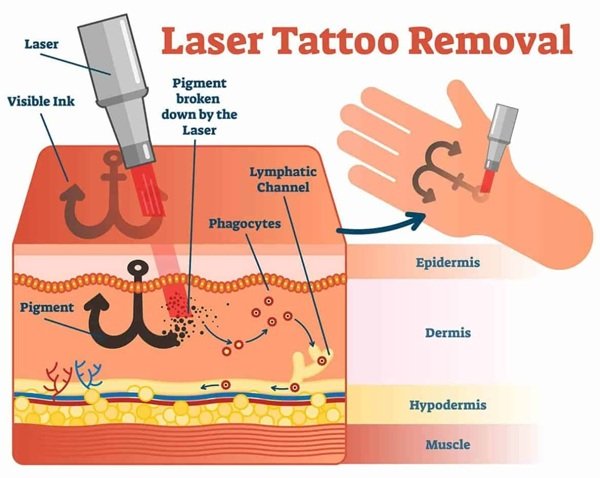
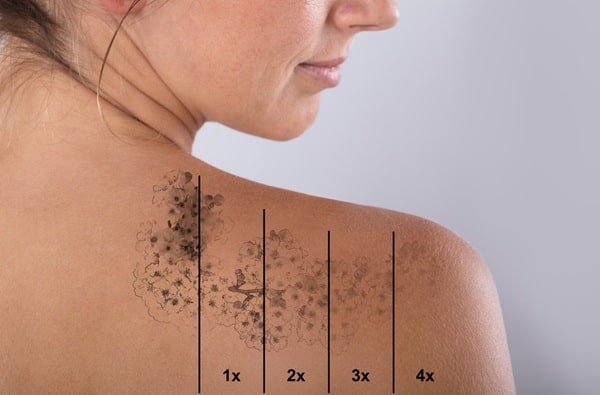
Laser tattoo removal relies on advanced technology. It uses specific wavelengths of light to target tattoo ink. This light is absorbed by the ink, causing it to break into tiny particles.
These tiny ink particles are then eliminated by the body’s natural processes. The immune system flushes them out, gradually fading the tattoo.
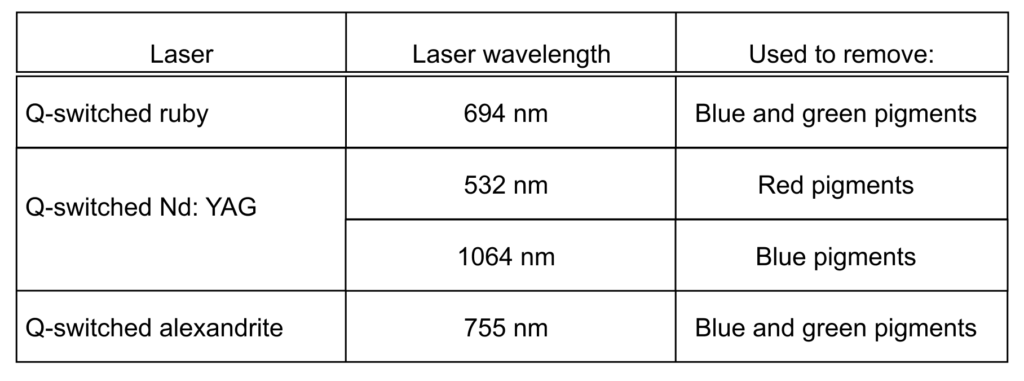
Different colors of ink absorb different wavelengths of light. This requires the use of various lasers for multicolored tattoos.
The precision of lasers ensures the surrounding skin remains mostly unharmed. This makes laser tattoo removal safer than other methods.
However, achieving complete removal depends on several factors. The type of ink and the depth of the tattoo play significant roles.
Types of Lasers Used in Tattoo Removal
Tattoo removal uses various lasers. Each type is suited for different ink colors and skin types.
One common type is the Q-switched laser. It’s effective for breaking down dark ink colors such as black and blue.
Another is the picosecond laser. It’s known for targeting stubborn colors like green and purple.
Here’s a brief overview of the types:
Q-switched lasers: Ideal for dark inks.
Picosecond lasers: Effective for bright colors.
Alexandrite lasers: Suitable for black and blue ink.
Choosing the right laser is crucial for effective tattoo removal. It ensures the ink absorbs maximum energy for breakdown.
Factors Influencing Tattoo Removal Success
Successful tattoo removal involves several factors. These factors determine the number of sessions required and the final results.
Firstly, ink color plays a vital role. Dark inks are easier to remove, while bright colors take more time.
The age of the tattoo also matters. Older tattoos tend to fade faster as they have already started breaking down.
Furthermore, the skin type of the individual is crucial. Different skin types respond differently to laser treatment.
Consider these key factors:
Ink color: Black fades fastest, while green is tougher.
Tattoo age: Older tattoos require fewer sessions.
Skin type: Different responses to laser treatments.
Understanding these factors can help in setting realistic expectations for patients. It emphasizes the importance of a personalized approach in tattoo removal.
The Role of a Laser Tattoo Removal Technician
Laser tattoo removal requires skilled technicians. Their expertise ensures safe and effective treatment outcomes. They play a crucial role in patient satisfaction.
Technicians are responsible for evaluating tattoos and selecting the appropriate laser type. Their experience helps tailor treatments to individual needs.
They also guide patients throughout the process. From consultation to aftercare, technicians provide support and information.
Becoming a Laser Tattoo Removal Technician
Becoming a competent laser tattoo removal technician requires dedication. Knowledge of laser technology and skin is essential.
Understanding skin types and how they react to lasers is crucial. A thorough grasp of laser equipment ensures safety and efficiency.
Here’s how to start on the path:
Research: Learn about laser technologies and the tattoo removal process.
Training: Enroll in accredited courses that cover both theory and practical skills.
Certification: Obtain necessary certifications to validate your expertise.
Experience: Gain practical experience under the supervision of seasoned technicians.
These steps help build a solid foundation for a successful career. They ensure technicians can deliver top-notch service and care.
Training and Certification Requirements
Training is fundamental for laser tattoo removal technicians. It involves both theoretical knowledge and hands-on practice. This ensures competency and confidence in procedures.
Certification programs provide accreditation. They often cover laser physics, skin biology, and safety protocols. Theoretical study is combined with practical sessions.
Generally, certification requirements include:
Completion of accredited courses: Ensure comprehensive coverage of topics.
Practical experience hours: Gain real-life experience under supervision.
Examinations: Demonstrate knowledge and skill proficiency.
Meeting these requirements is crucial for professional credibility. It reassures patients of safe and effective service.
Safety and Protocols During Removal
Safety is paramount in laser tattoo removal. Technicians adhere to strict protocols to minimize risks and maximize results.
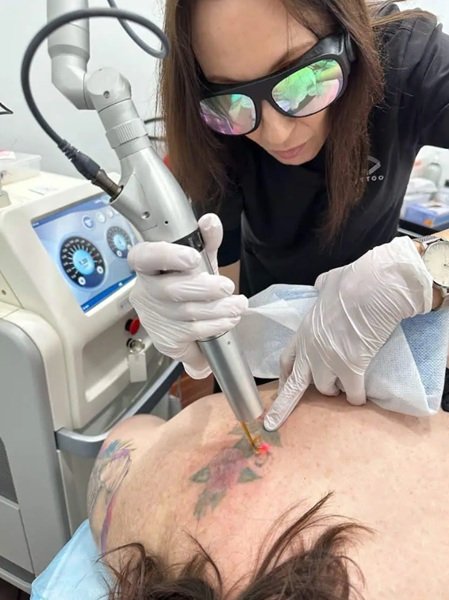
Protective eyewear is mandatory for both patient and technician. It guards against potential laser exposure to the eyes.
Consent forms and thorough consultations are crucial. They ensure patients understand the process and risks involved. This transparency builds trust and sets clear expectations.
Laser tattoo removal is a precise and targeted process. It relies on advanced technology to break down tattoo ink safely.
The procedure involves directing laser beams at the tattoo. The laser’s energy targets ink particles in the skin’s dermis.
Once targeted, the ink particles break down into smaller pieces. The body’s immune system gradually absorbs these fragments.
The duration of each session varies. Factors include tattoo size, ink color, and skin type. Multiple sessions are often necessary for complete removal.
It is crucial to communicate openly with your technician. Understanding the process helps set realistic expectations.
Before the Procedure: Consultation and Preparation
Before undergoing laser tattoo removal, a consultation is necessary. This step helps assess the tattoo’s characteristics.
The technician evaluates skin type, tattoo color, and age. This helps determine the best laser type and treatment plan.
Preparation also involves discussing the patient’s medical history. Disclosure of any skin conditions or medications is vital.
Patients should also receive aftercare instructions. Proper preparation ensures smooth sessions and reduces potential risks.
During the Procedure: What to Expect
During the laser tattoo removal session, comfort and safety are priorities. The technician may apply a topical anesthetic. This minimizes discomfort, making the experience more tolerable.
Protective eyewear is mandatory. Both technician and patient wear it to shield eyes from laser light.
As the laser targets the tattoo, a sensation may be felt. It often resembles a rubber band snapping against the skin.
The duration of a session can range from a few minutes to over an hour. This depends on the tattoo’s size and complexity.
Communication with the technician during the procedure ensures comfort. Adjustments can be made for an optimal experience.
After the Procedure: Healing and Aftercare
Post-procedure care is crucial for a speedy recovery. Proper aftercare minimizes potential side effects and promotes healing.
Initially, the treated area may appear red and swollen. These are common and usually subside within a few days.
Following these aftercare recommendations is essential:
Apply a cold compress: Reduces swelling and soothes skin.
Keep the area clean: Prevents infection and promotes healing.
Avoid sun exposure: Protects sensitive skin from UV damage.
Follow any specific instructions provided: Customized guidance for individual cases.
Patients should also monitor the treated area. Any unusual reactions should be reported to the technician promptly.
Adhering to aftercare instructions ensures optimal results. It supports the body’s natural healing process, leading to successful tattoo removal.
Risks and Side Effects of Laser Tattoo Removal
Laser tattoo removal, while generally safe, does carry potential risks. Understanding these risks helps in making informed decisions.
Common side effects include redness, swelling, and minor pain. These symptoms are temporary, resolving in days or weeks.
In rare cases, more serious complications can occur. These include blistering, scarring, or changes in skin pigmentation.
The likelihood of these issues can depend on skin type and tattoo characteristics. Darker skin tones may face a higher risk of pigmentation changes.
Minimizing risks involves choosing a qualified technician. An experienced professional ensures proper laser settings for safe treatment.
Following aftercare advice is equally critical. It reduces chances of infection or adverse reactions post-procedure.
Through careful evaluation and proper care, adverse effects can be minimized. This leads to a smoother recovery and more satisfactory results.
Patients should openly discuss concerns with their technician. This communication fosters understanding and confidence in the removal process.
Cost Considerations and Comparisons
The cost of laser tattoo removal can vary widely. Factors such as tattoo size, color, and location all affect the price.
Each session ranges from $200 to $500, depending on complexity. Multiple sessions are typically needed for complete removal, adding to the cost.
Insurance often does not cover tattoo removal, as it’s considered cosmetic. Financial planning or exploring available financing options may be necessary.
Geographical location also influences cost. Urban areas might charge more due to higher operational costs.
Prices can fluctuate based on technician expertise and equipment quality. Opting for established providers may entail a higher fee, reflecting their proficiency.
Despite the expense, many find the investment worthwhile. Removal can promote personal confidence and professional opportunities, justifying the financial commitment.
Carefully weighing these considerations ensures informed decisions. It helps in budgeting appropriately for the tattoo removal journey.
Laser Tattoo Removal vs. Tattoo Cover-Ups
Comparing laser removal with tattoo cover-ups reveals notable differences. Both options have distinct advantages and cost implications.
Laser removal targets complete ink eradication, often requiring numerous sessions. This process appeals to those seeking total removal.
Alternatively, cover-ups transform existing tattoos with new designs. This method usually costs less than multiple laser sessions.
Cover-ups typically involve a one-time fee. The cost varies based on the artist’s skill level and the complexity of the new design.
Laser removal benefits those wanting a clean slate.
Cover-ups suit individuals open to redesign but content to retain some ink.
Budget considerations and desired outcomes guide the choice.
Each approach offers unique benefits. The decision hinges on personal goals, financial constraints, and tolerance for procedure duration.
Ultimately, selecting between removal and cover-ups should align with the individual’s preferences and circumstances.
Sustainability and Environmental Impact
Laser tattoo removal not only benefits individuals but the environment as well. It contributes to sustainability by encouraging the reduction of unwanted ink, minimizing future waste.
Traditional tattoo removal processes can generate significant waste. Laser procedures, however, focus on precision, reducing the need for excessive materials.
Moreover, the equipment used is increasingly designed with sustainability in mind. Technological advancements allow for energy-efficient lasers, reducing the carbon footprint associated with their use.
Reputable clinics often prioritize eco-friendly practices. This includes proper disposal of used materials and adherence to environmental regulations.
By choosing providers committed to sustainability, patients support broader ecological goals. This helps in reducing the environmental impact of personal beauty choices.
Understanding these aspects highlights the role of laser removal in promoting greener medical practices. It aligns with the increasing global push towards environmental responsibility.
Reducing Medical Waste in Tattoo Removal
Medical waste is a growing environmental concern. In tattoo removal, minimizing this waste is crucial.
Laser tattoo removal naturally generates less waste compared to chemical methods. With fewer by-products, its ecological footprint is reduced significantly.
Clinics play a vital role in waste management. Implementing robust protocols ensures that disposables, such as used gauze and gloves, are handled sustainably.
Some practices incorporate recycling programs for used materials. This helps in offsetting the waste produced during procedures.
Education on proper waste disposal is essential for technicians. It promotes awareness and ensures adherence to best practices.
Patients can contribute by selecting environmentally conscious providers. This choice encourages clinics to maintain or adopt greener practices.
Ultimately, reducing medical waste is a collaborative effort. It necessitates both industry innovation and consumer responsibility.
Conclusion: The Importance of Quality and Care in Tattoo Removal
In the ever-evolving field of aesthetics, quality and care are paramount. Laser tattoo removal is no exception, requiring a meticulous approach for optimal outcomes.
Choosing a reputable provider ensures high standards. Experienced technicians are committed to safety, precision, and patient satisfaction.
The decision to remove a tattoo is personal and significant. Providers must offer empathetic support and clear communication throughout the process.
Patients benefit from transparency regarding potential outcomes. Understanding the limitations and opportunities of laser removal guides realistic expectations.
Moreover, ongoing advancements enhance the procedure’s effectiveness. Staying informed about the latest technologies ensures that technicians deliver superior results.
Ultimately, laser tattoo removal is more than a cosmetic service. It is a journey towards enhanced personal expression and well-being. Prioritizing quality and care makes all the difference in this transformative process.
Zeiss OPMI Visu 160 S88 In the modern medical world, technology is crucial for enhancing patient care outcomes. One device that has revolutionized surgical practice is the. In this article, we will delve into this innovation in detail, discussing its features, benefits, and use cases.
What is Zeiss OPMI Visu 160 S88?
History Surgical Microscope and Background of Zeiss
Carl Zeiss AG is a leading company in the optical industry, founded in 1846 by Carl Zeiss in Jena, Germany.
Renowned Innovator : Zeiss is known as a pioneer of optical technology, especially in the medical field.
Long Experience : With over 175 years of experience, Zeiss products have become industry standards.
Description
is a surgical microscope designed to enhance precision and effectiveness.
Advanced Features : It has high-quality optics and innovative lighting technology.
Visual Quality : Provides excellent visual quality for various medical fields such as ophthalmology and neurosurgery.
Key Features of Zeiss OPMI Visu 160 S88
1. High-Quality Optics
High Resolution : Delivers images with high resolution and sharp contrast.
Adjustable Components : Allows users to adjust height and angle for maximum comfort.
Intuitive User Interface : Makes it easy for users to make adjustments without confusion.
3. Innovative Technology Surgical Microscope
3.1 LED Lighting System
Consistent Lighting : Produces even illumination across the surgical area.
Reduced Heat Generation : Ensures comfort during procedures by minimizing heat.
3.2 Digital Control
Quick Adjustments : Enables users to change settings rapidly.
Integration with Other Technologies : Works seamlessly with other surgical systems for a more efficient process.
4. Ease of Use
Usable by All Experience Levels : Easy to operate for both novice and experienced surgeons.
Compatible with Accessories : Can be customized with various accessories to meet specific needs.
Benefits for Zeiss OPMI Visu 160 S88 Surgical Microscope
Ophthalmic Surgery
Higher Accuracy Levels
Clear Details : Allows doctors to see fine structures, enhancing surgical decisions.
Increased Speed of Procedures
Faster Completion : Quicker procedures reduce operation and anesthesia time.
Testimonials from Surgeons
Increased Confidence : Surgeons report improvements in their surgical outcomes and feel more confident with this microscope.
Research and Statistical Data
Reduction in Complications : Studies indicate that 85% of surgeons feel their results improve with the use of the Zeiss OPMI Visu 160 S88.
Use Cases of Zeiss OPMI Visu 160 S88 Surgical Microscope
Ophthalmic Surgery
For Cataract and Retina Surgery : Allows for better visualization during sensitive procedures.
Neurosurgery
Tumor Resection and Aneurysm Management : Provides greater visibility on complex and sensitive structures.
General Surgery
Usage in Laparoscopic Surgery : Supports safer and more precise surgical procedures.
Conclusion
is an advanced solution designed for surgeons looking to enhance both accuracy and effectiveness. With its advanced technology and ergonomic design, this device is invaluable in the surgical field.
Call to Action
For medical professionals seeking to improve their capabilities in performing surgical procedures, considering the use of Zeiss OPMI Visu 160 S88 is a smart step towards enhancing outcomes and patient satisfaction.
Chronic pain affects millions of people and can greatly reduce their quality of life. Many patients look for alternative ways to relieve pain. One such option is Calmare MC-5A Scrambler Therapy. This non-invasive treatment has gained attention for its effectiveness. In this article, we will explore what Calmare therapy is, how it works, its benefits, and what to consider before starting treatment.
What is Calmare MC-5A Scrambler Therapy?
Calmare MC-5A Scrambler Therapy is a treatment specifically for chronic pain. Unlike traditional pain management methods that use medications or surgeries, Calmare uses advanced technology to send non-painful electrical signals to the nerves. This method aims to change how the brain perceives pain.
How Does Scrambler Therapy Work?
Neurostimulation
During therapy, electrodes are placed on the skin over the pain area. These electrodes emit electrical signals that mimic the body’s natural messages. This helps to mask the pain signals sent to the brain.
Changing Pain Perception
Chronic pain often continues even after an injury has healed. Calmare therapy aims to change this by sending signals that feel non-painful. This “scrambles” the pain messages, providing relief.
Session Details
Duration : Each session lasts 30 to 60 minutes.
Frequency : Multiple sessions may be needed for effective results.
Benefits of Calmare Scrambler Therapy
Calmare therapy has several advantages for chronic pain patients:
Non-Invasive
This therapy is non-invasive, meaning it does not require surgery or injections. This is a significant advantage for many patients.
Few Side Effects
Compared to medications, patients generally report minimal side effects, making it attractive for those sensitive to drugs.
Customizable
Therapists can adjust the device settings for each patient. This ensures that each session addresses the specific pain level and location.
Improved Quality of Life
Many patients experience notable improvements in their daily lives after treatment. Reduced pain can allow patients to return to activities they enjoy.
Important Considerations
While Calmare therapy is usually safe, keep these points in mind:
Consult Your Doctor
It’s essential to discuss this treatment with your healthcare provider to determine if it’s suitable for you.
Individual Responses Vary
Every patient may respond differently. What works for one person might not work for another.
Costs and Insurance
Calmare therapy might not be covered by all insurance plans, so check beforehand to understand potential costs.
The Future of Pain Management
Calmare MC-5A Scrambler Therapy represents an exciting option for those struggling with chronic pain. Its focus on changing pain perception can lead to significant advancements in pain management.
Ongoing Research
Continued studies will help confirm the effectiveness of Calmare therapy and broaden its acceptance in the medical community.
Educating Patients
Raising awareness of the benefits of this therapy can empower patients to discuss it with their healthcare providers.
Real Patient Experiences
Hearing from patients can provide valuable insight. Here are a few testimonials from individuals who have tried Calmare therapy:
John, 45 : “I felt trapped in my body. After a few sessions, my pain decreased. I can do activities I had given up.”
Emily, 32 : “Calmare therapy has changed my life. The relief I feel during sessions is incredible.”
Conclusion: Can Calmare MC-5A Scrambler Therapy Help You?
offers a non-invasive approach to relieving chronic pain. While many patients experience positive results, it’s important to collaborate with healthcare providers to determine the best treatment plan for you.
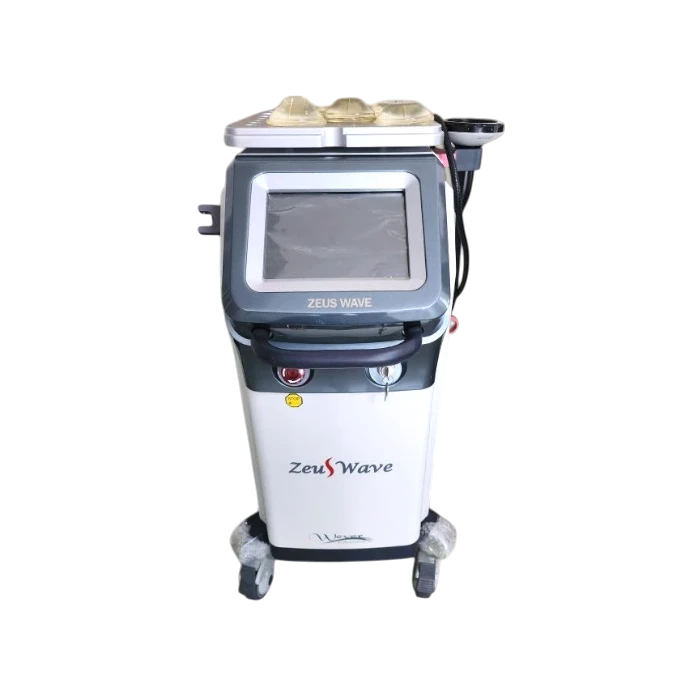
If you’re looking for an effective way to relieve pain or speed up recovery from an injury, you’re not alone. Many people are in search of solutions that are not only effective but also safe. One promising option is Zeus Wave Shock Therapy . This innovative therapy is gaining popularity for its numerous benefits. In this article, we’ll explore eight key advantages of Zeus Wave Shock Therapy that make it worth considering.
Zeus Wave Shock Therapy is a non-invasive treatment that utilizes high-frequency sound waves. These sound waves are directed at specific areas of the body that are in pain. The therapy works by stimulating the body’s natural healing processes. It targets damaged tissues by promoting blood circulation and reducing inflammation.
How Does It Work?
During a therapy session, a specialist uses a handheld device to send sound waves into the painful area. These waves penetrate deep into the tissues and create small vibrations. This process encourages the body to repair itself, promoting faster recovery. Unlike other treatment methods, Zeus Wave Shock Therapy does not require any form of surgery or invasive procedures. This makes it a safe and convenient option for many people.
Why Do Many People Like It?
Many patients experience quick relief from pain and significant improvements in their condition. Let’s take a closer look at the eight advantages of Zeus Wave Shock Therapy .
1. Fast Recovery
One of the key benefits of Zeus Wave Shock Therapy is its ability to speed up the recovery process. After an injury, it often takes time to heal. However, with Zeus Wave , many patients report feeling better in just a few sessions. This quick recovery is especially beneficial for athletes or anyone with an active lifestyle.
Personal Experiences
For example, many athletes have shared that they can return to their sport sooner after using this therapy. They appreciate how it helps them regain their strength and flexibility quickly, allowing them to get back into their game without long downtime. A basketball player recovering from a sprained ankle found that after just three sessions of Zeus Wave Shock Therapy , he was able to return to the court and compete at his usual level.
2. Effectively Reduces Pain
Zeus Wave Shock Therapy has shown remarkable results in reducing pain. Whether it’s chronic pain, acute injuries, or post-surgery discomfort, many patients report significant pain relief after undergoing this treatment.
Clinical Evidence
Research has indicated that approximately 80% of patients experience pain reduction after several sessions. This high success rate makes Zeus Wave Therapy a popular choice for those looking to manage their pain without relying heavily on medications. The therapy’s effectiveness in alleviating pain has made it particularly appealing in today’s healthcare landscape, where many individuals are seeking alternative treatments to opioid painkillers.
3. Non-Invasive and Safe
If you’re worried about the side effects of surgery or invasive treatments, Zeus Wave Shock Therapy is a great alternative. This therapy is completely non-invasive, which means you won’t have to deal with surgical risks or lengthy recovery times.
Minimal Side Effects
Most patients tolerate the treatment well, with only mild discomfort expected during the procedure. A majority of patients can go back to their normal activities right after the session without any downtime. This makes it a very convenient treatment option for busy individuals who cannot afford to take time off work or other commitments.
4. Improves Blood Circulation
Healthy blood circulation is crucial for healing. Zeus Wave Shock Therapy has been found to enhance blood flow to the areas being treated. Improved circulation means that more oxygen and nutrients reach the injured tissues, promoting faster healing.
Overall Health Benefits
Good blood circulation doesn’t just aid in recovery; it also contributes to overall health. Patients often report feeling more energetic and experiencing fewer issues related to poor circulation, such as numbness or tingling. Regular sessions of Zeus Wave Therapy may help improve vascular health, making it a suitable choice for individuals with circulation issues or those who spend long hours sedentary.
5. Effective for Various Conditions
Another significant advantage of Zeus Wave Shock Therapy is its versatility. This therapy can be used to treat a wide range of conditions, including:
Back pain
Sports injuries
Tendinitis
Plantar fasciitis
Joint pain
Muscle strains
A One-Stop Solution
Because Zeus Wave Therapy is adaptable to various ailments, it appeals to many individuals. Whether you are dealing with a specific injury or chronic pain, this therapy can be an effective option for many health challenges. It’s also beneficial for older adults dealing with age-related pain conditions, as well as office workers suffering from repetitive strain injuries due to prolonged sitting and typing.
6. Scientifically Proven
Zeus Wave Shock Therapy is backed by scientific research. Numerous studies have confirmed its effectiveness in reducing pain and improving physical function in patients. This evidence adds credibility to the therapy, reassuring patients that they are making a well-informed decision.
Positive Research Findings
In a clinical study, participants receiving Zeus Wave Therapy reported marked improvements in pain scores and mobility. These findings are encouraging for anyone considering this therapy as a potential solution for their pain. Many healthcare professionals are now recommending it as a first-line treatment before considering more invasive options.
7. Support for Athletes
Many professional athletes rely on Zeus Wave Shock Therapy as part of their training and recovery routines. Given the physical demands of sports, athletes often use this therapy to address injuries and enhance their performance.
Getting Back in the Game
Athletes appreciate how quickly they can heal from injuries, allowing them to resume training and competing with minimal downtime. This gives them a competitive edge, knowing they have effective recovery methods at their disposal. A soccer player recovering from a hamstring strain can get back to training in a fraction of the time compared to traditional methods, enabling him to stay in shape and continue competing at a high level.
8. Positive Testimonials from Patients
Customer satisfaction speaks volumes, and many patients have praised Zeus Wave Shock Therapy for its effectiveness. They highlight not only pain relief but also improved mobility and overall quality of life.
Encouraging Words
Many testimonials describe how the therapy has changed their lives for the better, motivating others to explore this option. Hearing real-life success stories can be inspiring and help alleviate any hesitation you might have. Consider the story of a middle-aged woman who struggled with chronic foot pain; after a series of Zeus Wave Therapy sessions, she was able to walk comfortably again, allowing her to enjoy recreational activities with her family.
Conclusion
With its numerous benefits, Zeus Wave Shock Therapy is undoubtedly a worthy option for those seeking effective solutions for pain relief and recovery. Its non-invasive nature, coupled with a high success rate, makes it an attractive choice for many people. If you’re looking for a way to improve your quality of life, consider trying Zeus Wave Shock Therapy .
If you’re interested in learning more, please visit our website at theramedicare.com. Schedule your therapy session today and experience the benefits firsthand!